Creating a functional and inviting dining area in a small space can be challenging. You need solutions that balance style with practicality, helping you make the most of every square inch without overcrowding.
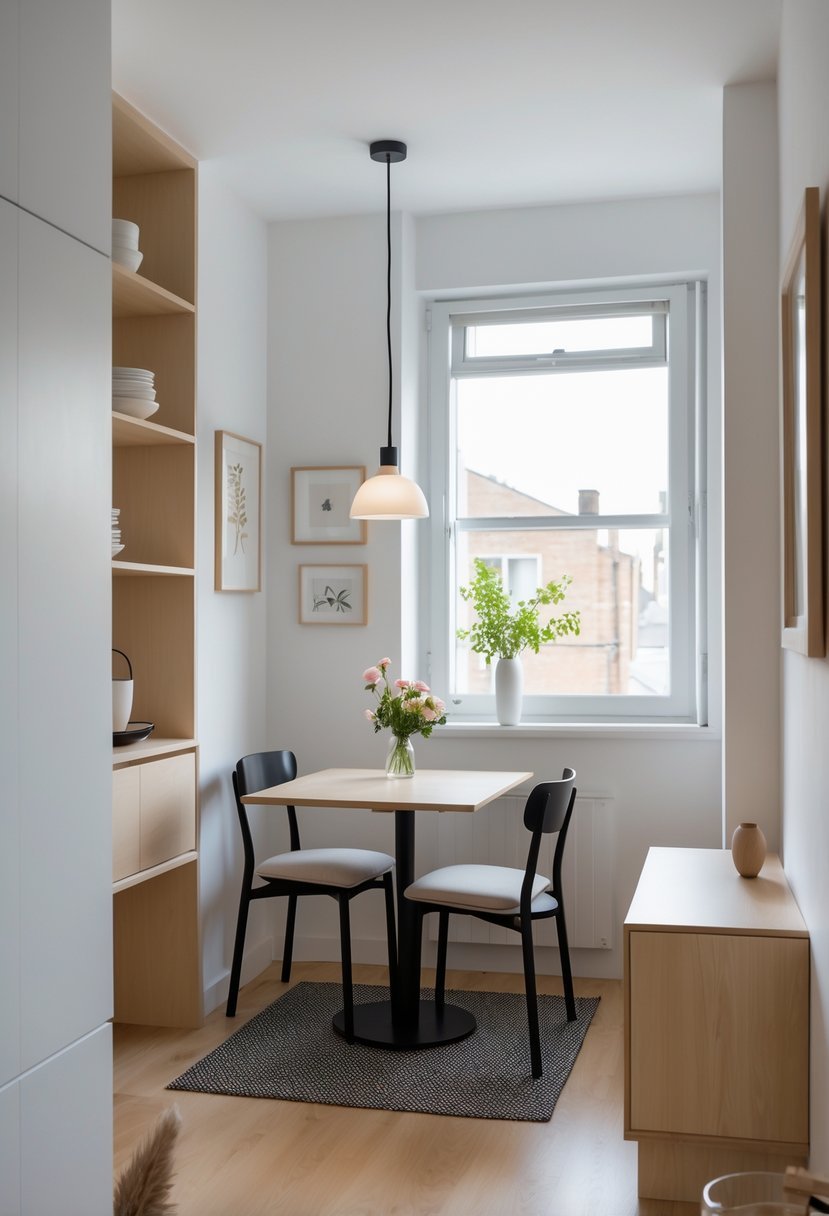
These 14 small dining room ideas provide effective ways to maximize your space while maintaining a comfortable atmosphere for meals and gatherings. By focusing on smart furniture choices and efficient layouts, you can transform your dining area into a place that feels both spacious and welcoming.
1) Use a round pedestal dining table to maximize floor space and improve traffic flow
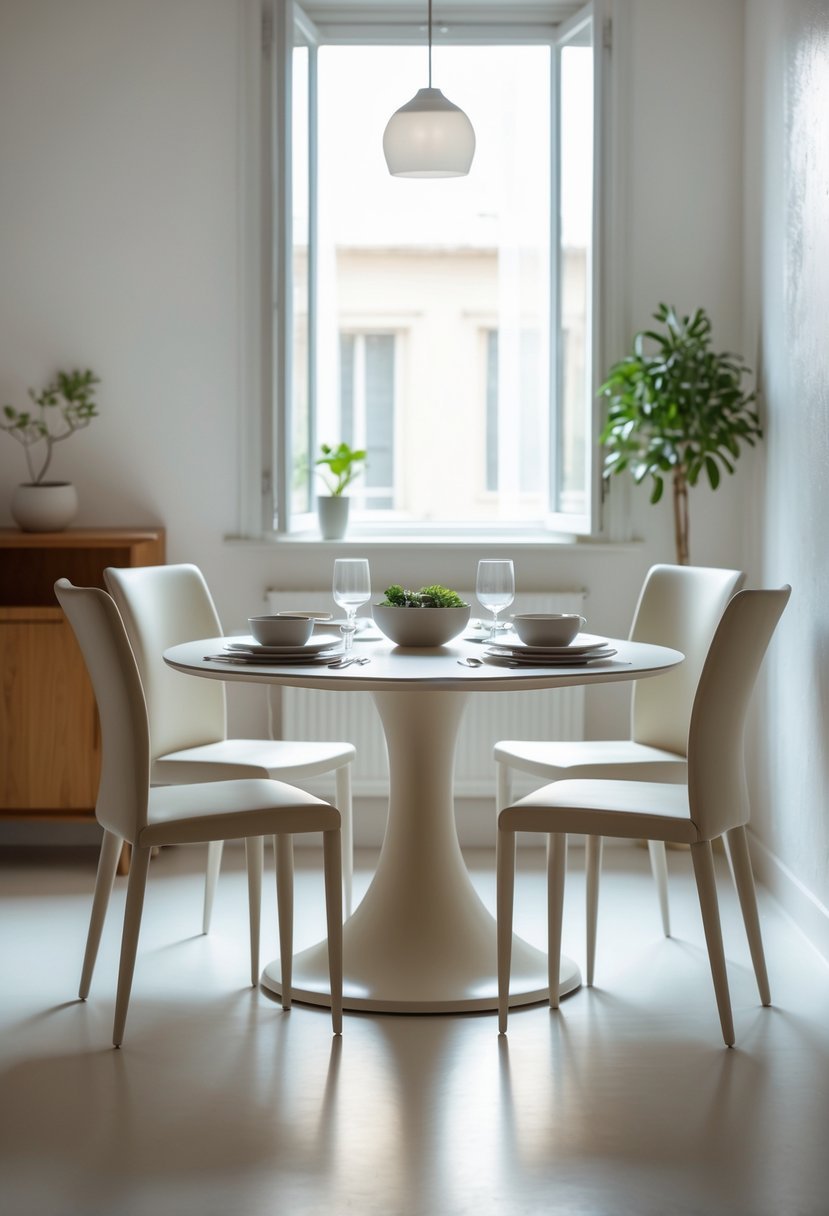
A round pedestal dining table removes bulky legs, giving you more legroom. This design helps keep your dining area open and less cramped.
Its circular shape allows easy movement around the table. You can accommodate more people in a smaller space without crowding.
2) Incorporate foldable or extendable dining tables for versatility
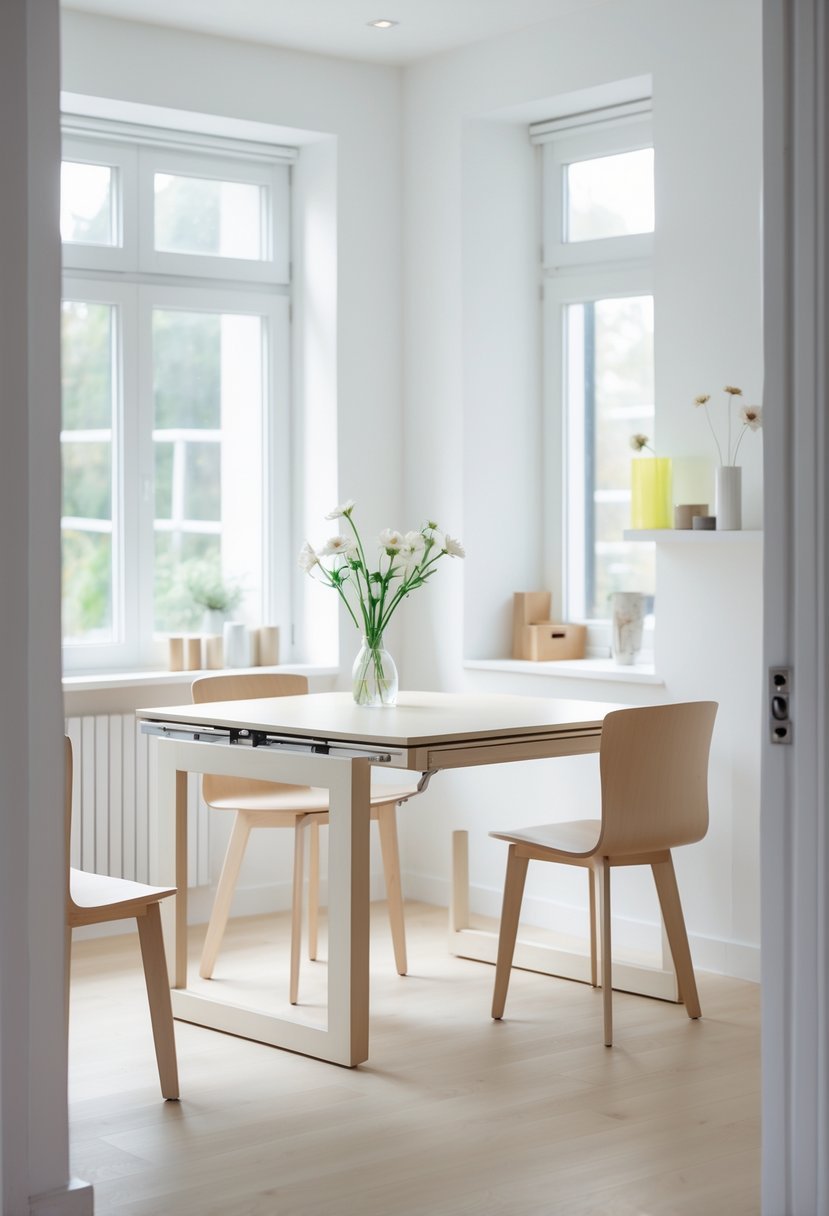
You can save space by choosing a foldable or extendable dining table. These tables adapt easily to your needs, expanding for guests or folding away for daily use.
Many designs combine functionality with style, fitting small rooms without overwhelming them. Consider models with smooth extension mechanisms or foldable features to maximize your area efficiently.
3) Opt for built-in banquette seating with storage underneath
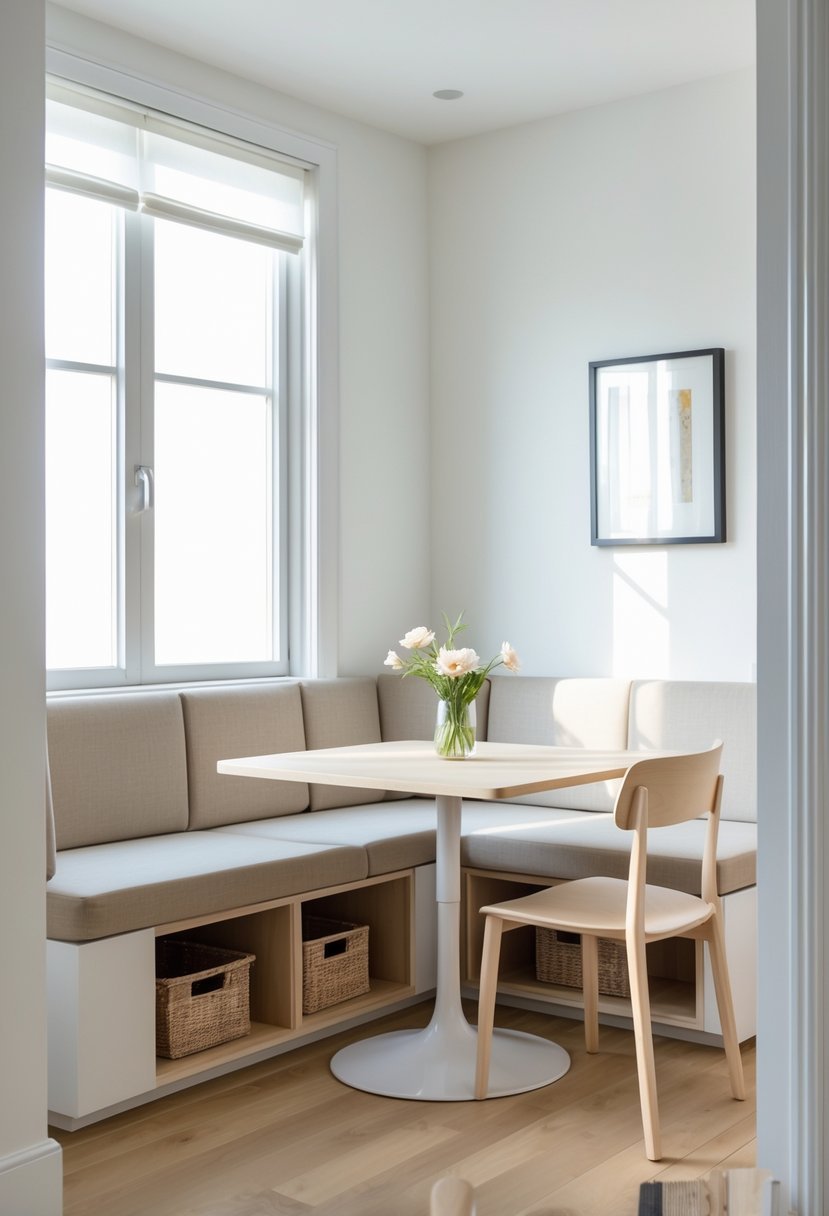
Built-in banquette seating saves floor space and adds practical storage to your dining area. You can store linens, dishware, or cushions in under-seat compartments.
This solution keeps your room organized without sacrificing comfort. It works especially well in small or multifunctional spaces. Choose full-depth drawers for maximum storage capacity.
4) Choose slim profile chairs that easily tuck under the table
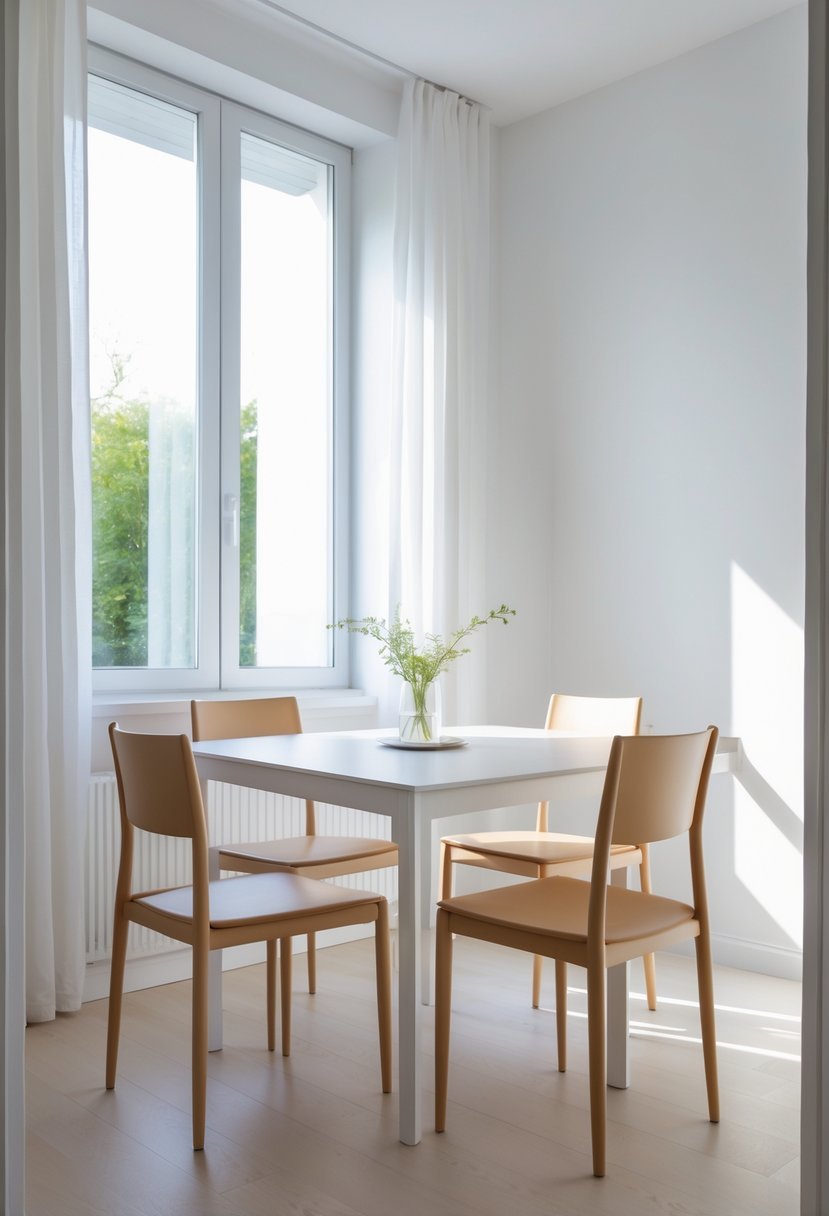
Choose chairs with a slim profile to save valuable floor space. These chairs slide neatly under your table, keeping your dining area uncluttered.
This design helps maintain clear walkways and makes your small dining room feel more open. You get functional seating without crowding the room.
5) Install floating shelves for extra storage without taking floor space
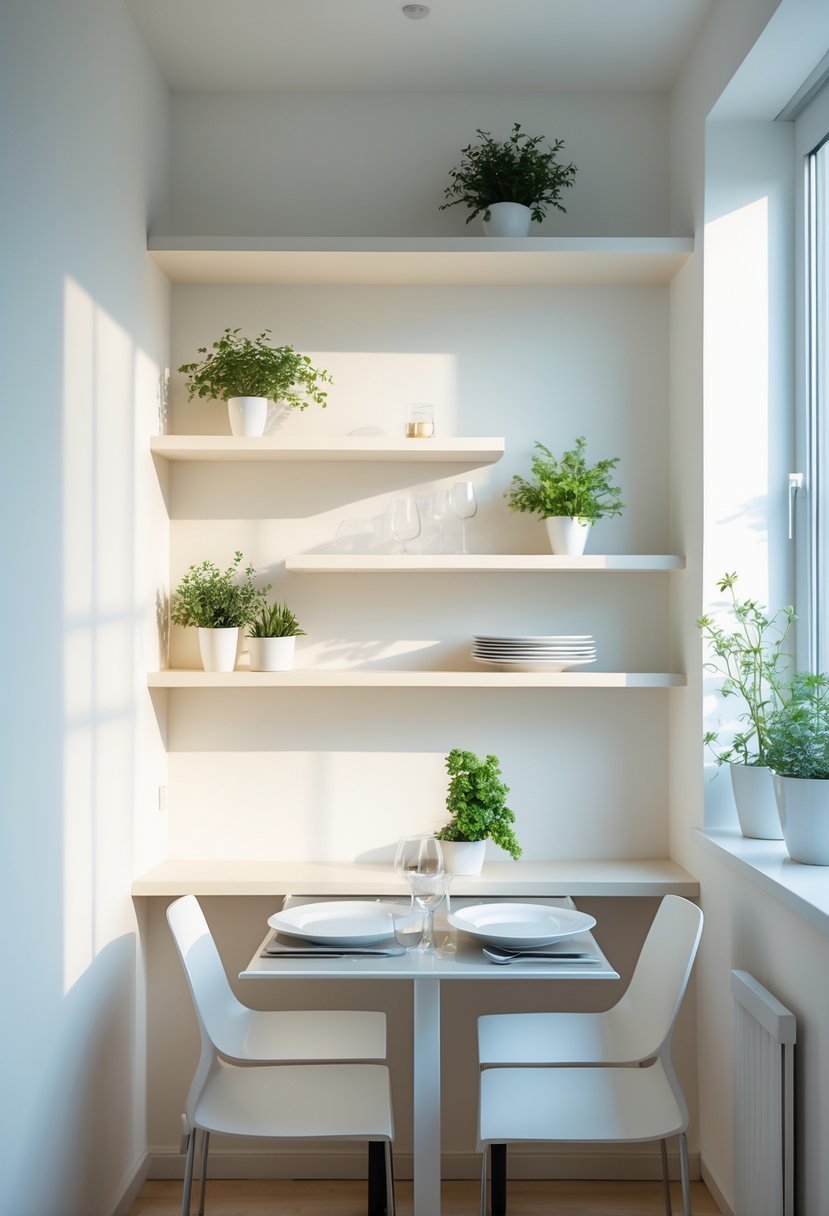
You can add storage while keeping your floor clear by installing floating shelves. They fit well in small dining rooms and make use of empty wall space.
Floating shelves hold dishes, cookbooks, or decor without bulk. Choose sturdy materials and secure mounting for safety and durability.
6) Use light, neutral colors to make the room feel larger and brighter
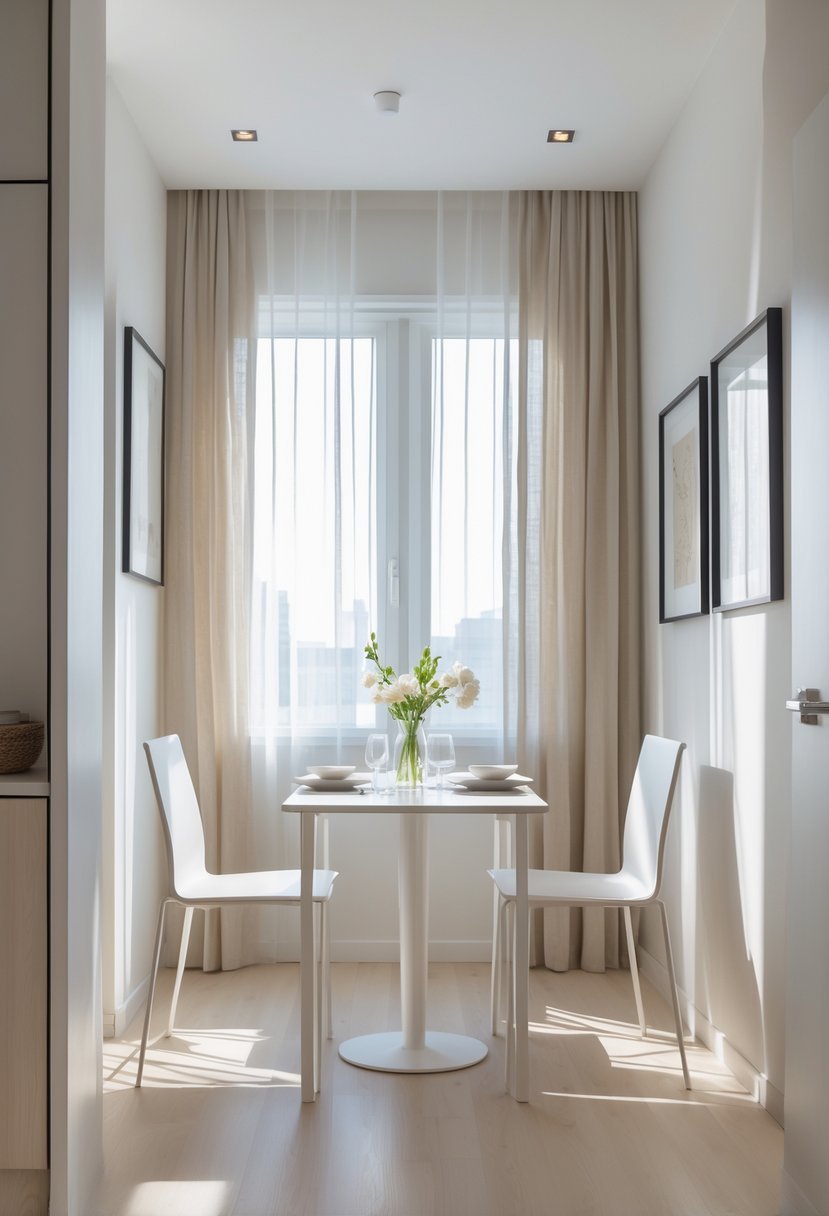
Choosing light, neutral colors like off-whites, pale grays, or soft beiges can help your dining room appear more open. These shades reflect natural light, which brightens the space and creates an airy atmosphere.
Light colors also reduce visual clutter by minimizing harsh contrasts on walls. This allows your room to feel less confined and more inviting without overwhelming the space.
7) Layer multiple light sources including pendant and wall lights
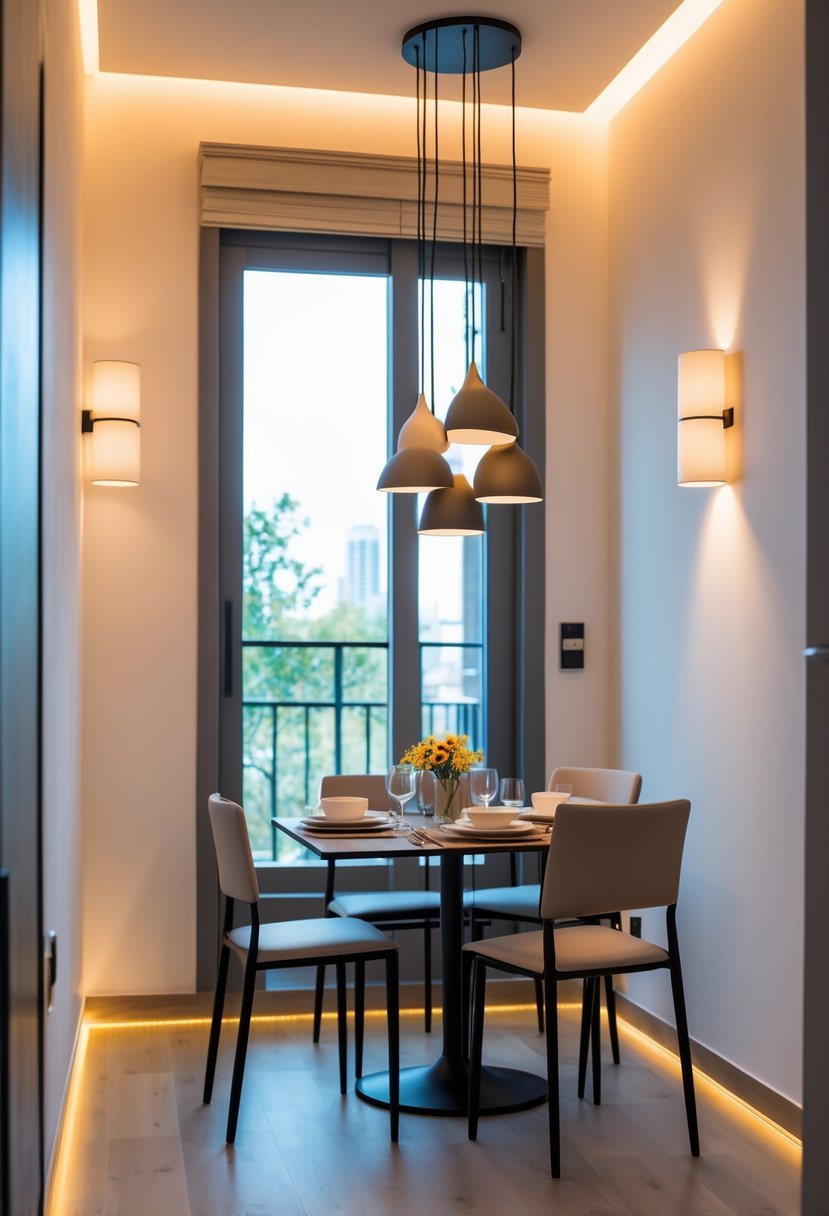
You can enhance your small dining room by combining different types of lighting. Pendant lights over the table provide focused task lighting for meals and gatherings.
Adding wall lights or sconces creates additional ambient and accent lighting. This layering offers flexibility, allowing you to adjust brightness and mood depending on the occasion.
8) Add mirrors to visually expand the dining area
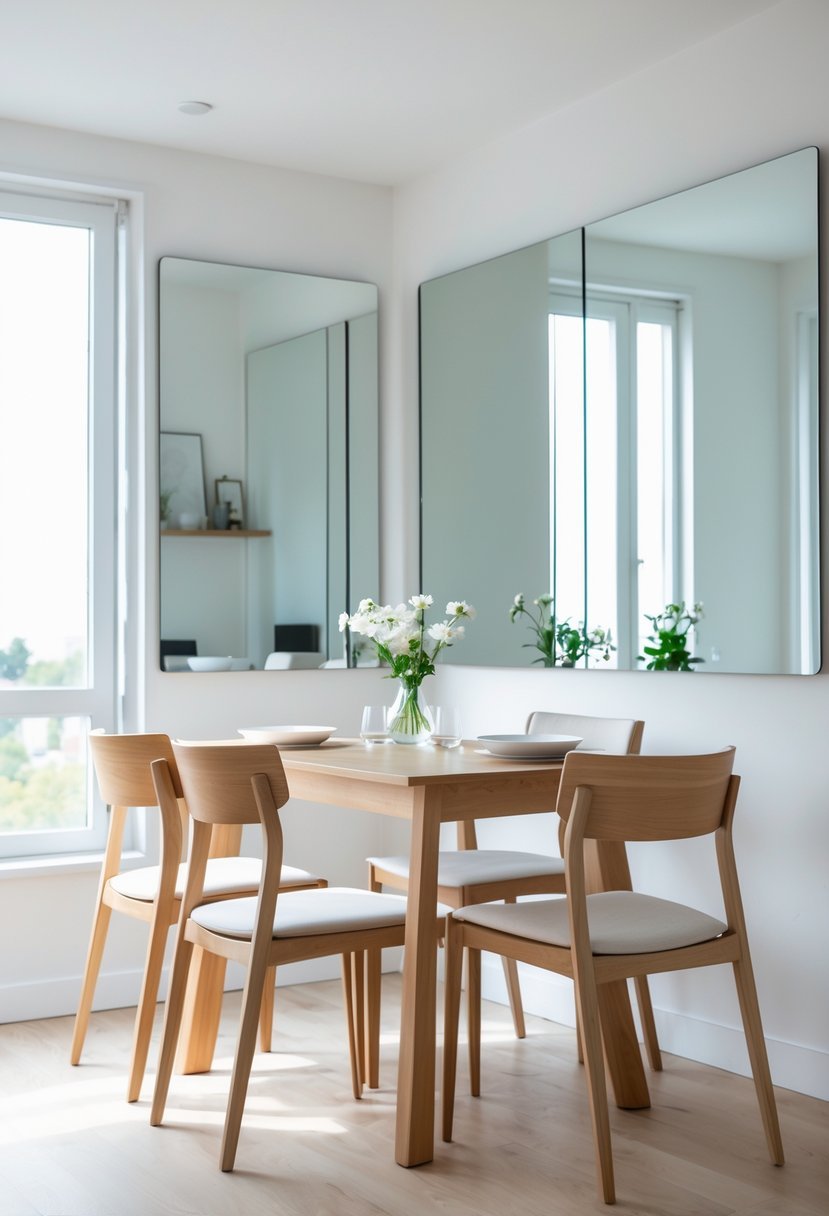
You can make your small dining room appear larger by adding mirrors. They reflect light and create the illusion of extra space without any structural changes.
Place mirrors opposite windows or light sources to enhance brightness. Choose sizes and frames that complement your decor to keep the look balanced and intentional.
9) Select multi-functional furniture pieces like storage ottomans or benches
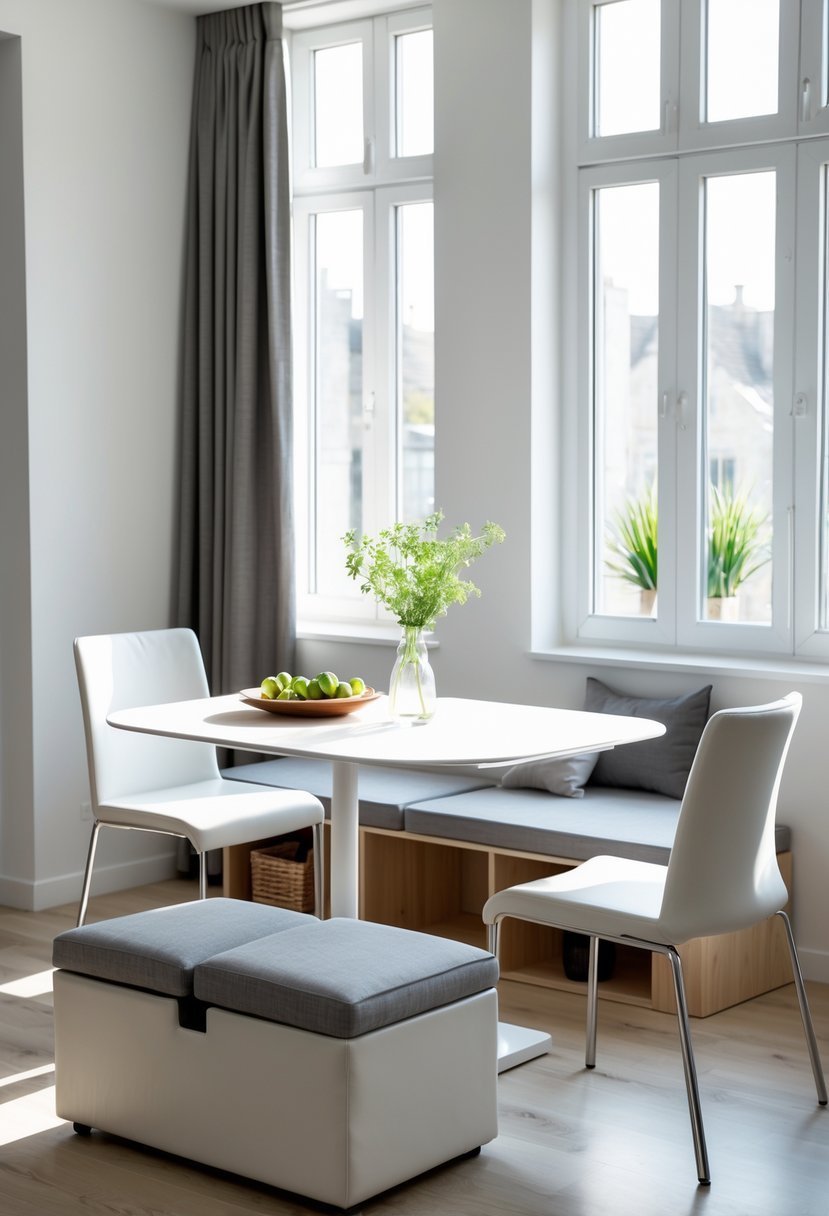
You can save space by choosing storage ottomans or benches that serve dual purposes. These pieces provide seating while offering hidden compartments for items like linens or kitchenware.
A storage bench can fit neatly along a dining wall or under a window. This adds practical storage and extra seating for guests without cluttering your room.
10) Use a statement rug to define the dining space in an open floor plan
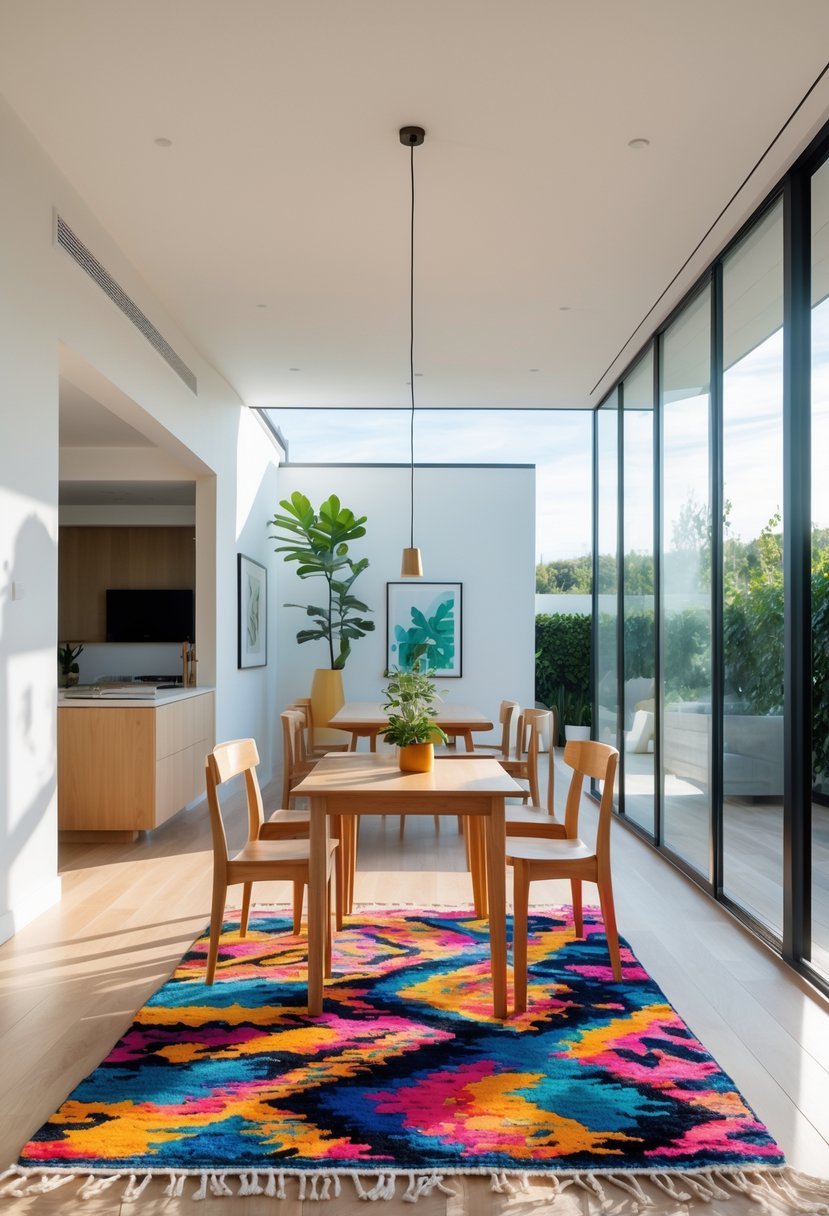
You can use a bold, stylish rug to visually anchor your dining area within an open layout. It creates a clear boundary that separates the space without walls.
Choose textures and colors that complement your furniture to enhance cohesion. A durable material, like jute or wool, handles dining traffic well.
11) Keep tabletop accessories minimal to reduce clutter
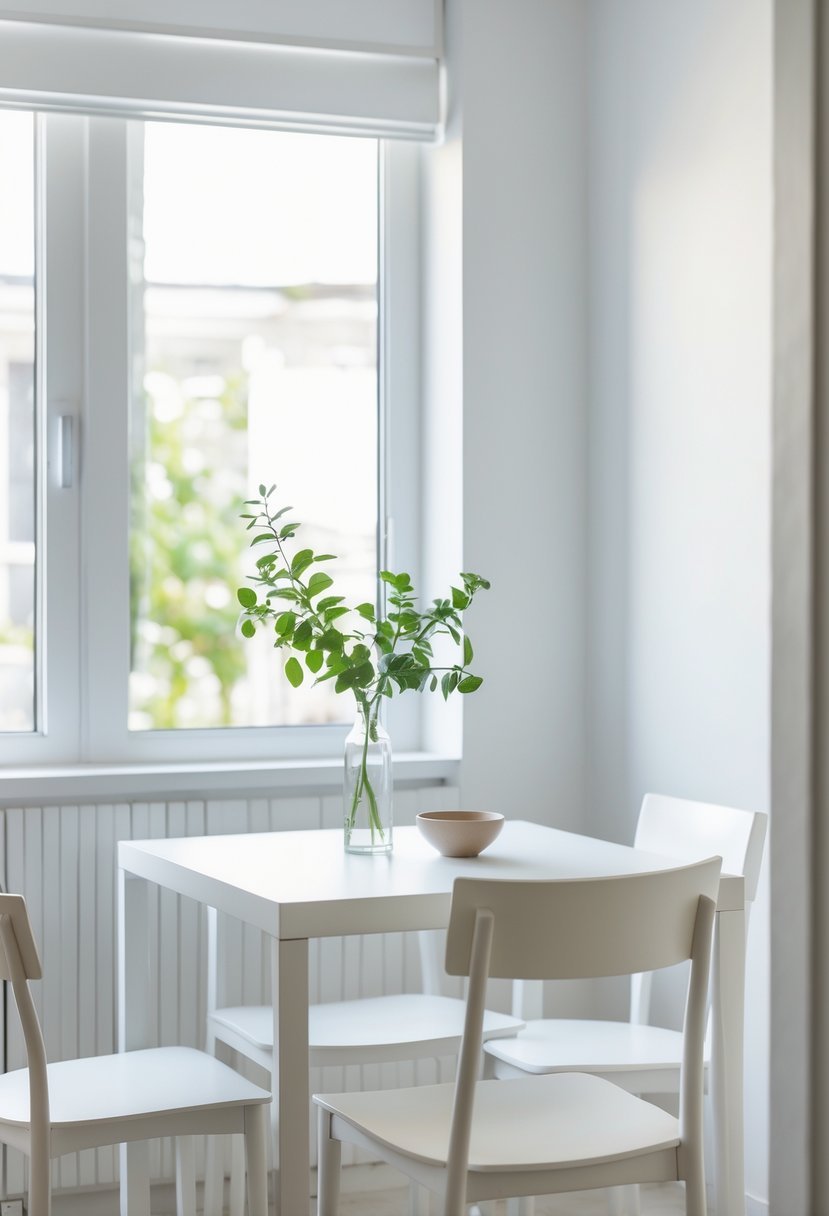
You should limit the number of items on your dining table. A clear surface creates a sense of openness in a small room.
Choose only essential pieces like a simple centerpiece or salt and pepper shakers. Avoid overcrowding to maintain a clean, functional space.
12) Position the dining table near a window for natural light
Place your dining table close to a window to benefit from natural light. This makes the room feel brighter and more open.
Natural light improves the ambiance, creating a comfortable dining environment. It can also highlight your furniture and decor.
Using a window seat or sill for additional seating or small plants adds both function and freshness to your space.
13) Integrate vertical storage solutions such as tall cabinets or shelves
You can save floor space by using tall cabinets or shelves in your dining room. These vertical options keep items organized and easily accessible without crowding the room.
Installing slim, tall storage units allows you to store dishes, glassware, or linens efficiently. Wall-mounted shelves can also display decorative pieces while adding function.
Choosing light-colored or sleek designs helps maintain an open feel. Vertical storage can enhance height perception, making your dining room appear larger and less cluttered.
14) Install a narrow sideboard or console table for extra surface area
You can add a narrow sideboard or console table to increase surface space without crowding your dining room.
These pieces fit well in tight areas like hallways or behind a sofa, offering storage and serving space.
Choose a table between 9 to 12 inches deep to keep traffic flow smooth while maximizing functionality.
Core Principles of Efficient Small Dining Room Design
To create a functional and inviting small dining room, focus on how you arrange the space and choose pieces that serve multiple purposes. Prioritize ease of movement, clear sightlines, and the right balance between aesthetics and usability for a room that feels open yet complete.
Optimizing Layout for Flow
Your layout should prioritize clear pathways and minimize clutter. Place the dining table where it doesn’t block entryways or interrupt natural walkways. Consider shapes like round or oval tables that save space and improve movement around the room.
Use multi-functional furniture, such as benches that tuck under the table, to increase seating without crowding. Allow at least 36 inches between furniture pieces for comfortable walking space. If possible, avoid bulky chairs and replace them with slim-profile or armless options.
Think vertically—adding narrow shelving or wall-mounted storage can free floor space while keeping essentials accessible. Position mirrors strategically to reflect light and create an impression of depth, helping your dining area feel larger.
Balancing Style and Functionality
You need furniture and décor that look good without overwhelming the room. Choose pieces with clean lines and avoid heavy, ornate designs that can make the space feel cramped.
Select finishes that are light in color or have reflective qualities, such as glass or polished metal, to keep the space airy. Opt for a compact table and foldable or stackable chairs for flexibility. Use textiles and soft lighting to add warmth and comfort without clutter.
Storage solutions should blend seamlessly into your design. Consider built-in cabinets or sideboards with dual functions like buffet surfaces and hidden compartments. Decorative accents should be minimal but purposeful, focusing attention without crowding the space.
Common Mistakes to Avoid in Small Dining Spaces
When designing a small dining area, selecting the right furniture and maximizing storage are key. Poor choices in these areas can reduce usable space and make the room feel cramped or cluttered.
Choosing Oversized Furniture
You must avoid picking dining tables and chairs that overwhelm your space. Large furniture pieces limit movement and make the room feel congested.
Instead, opt for compact tables—round or square shapes work well in tight corners. Consider pieces with slim legs or transparent materials to keep the area visually open.
Also, choose chairs that tuck neatly under the table or stack when not in use. Multi-functional furniture, like extendable tables, lets you adjust the size as needed without occupying permanent space.
Neglecting Vertical Storage Solutions
Ignoring vertical storage opportunities wastes valuable room in small dining spaces. Walls and tall furniture can offer extra storage without taking up floor space.
Install shelves or wall-mounted cabinets to hold dishes, glasses, or decorative items. These keep essentials accessible yet out of the way.
You can also use hooks or pegboards on walls for hanging utensils or lightweight items. Vertical storage adds functionality and helps you keep the dining area organized and spacious.