Creating a stylish and functional living room can feel challenging when space is limited. However, with thoughtful choices in decor and layout, you can make your small living room feel more open and inviting without a major renovation.
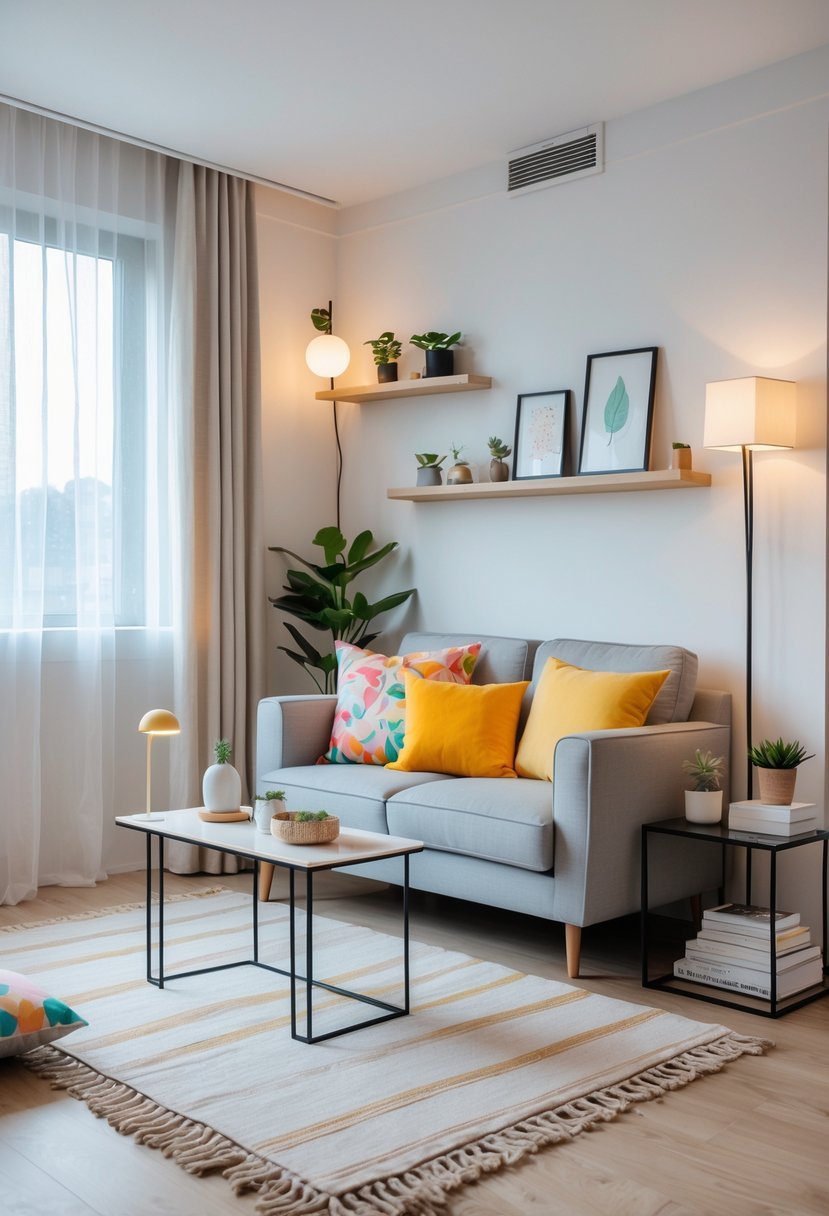
These 12 small living room decor tips offer practical ways to enhance your space, making a noticeable difference in both style and comfort. Whether you want to maximize every inch or create a cozy atmosphere, the right approach can transform your room’s look and feel.
1) Use multifunctional furniture like storage ottomans to save space.
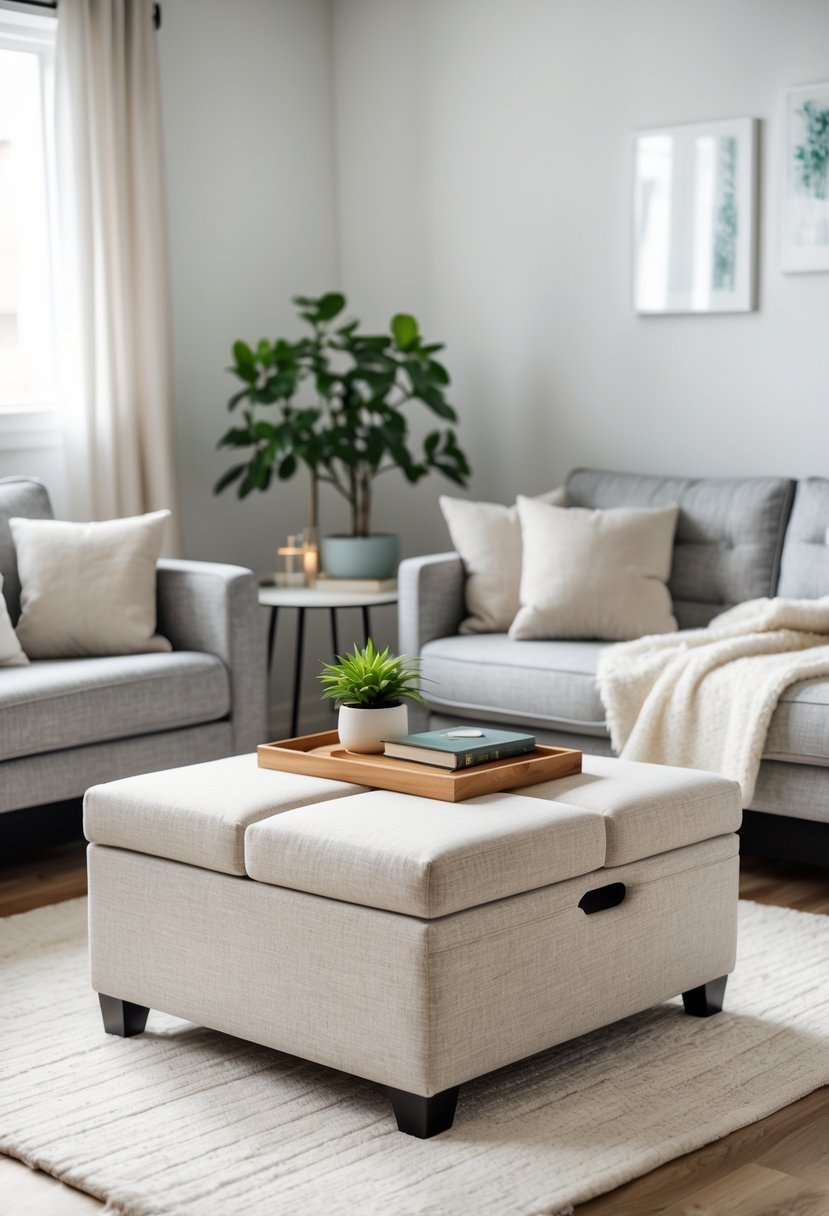
You can save valuable floor space by choosing furniture that serves more than one purpose. Storage ottomans, for example, offer seating and hidden storage in one piece.
This helps reduce clutter and keeps your living room organized and functional without overcrowding.
2) Choose light, neutral paint colors to brighten the room
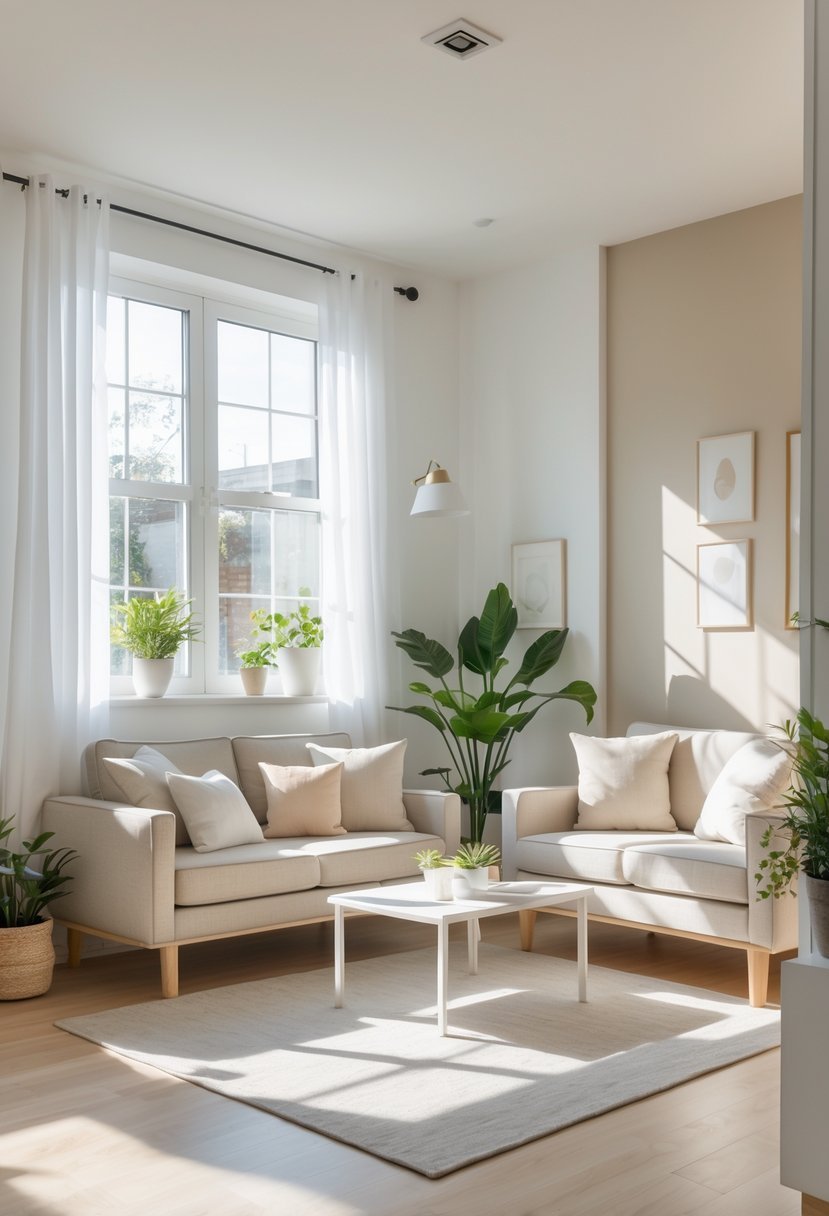
You can make your small living room feel more open by selecting light, neutral paint colors. Shades like soft grays, warm beiges, and off-whites reflect natural light, enhancing brightness.
Neutrals also provide a flexible backdrop, allowing your furniture and decor to stand out without overwhelming the space. This approach helps create a balanced and inviting atmosphere.
3) Incorporate mirrors to create an illusion of depth.
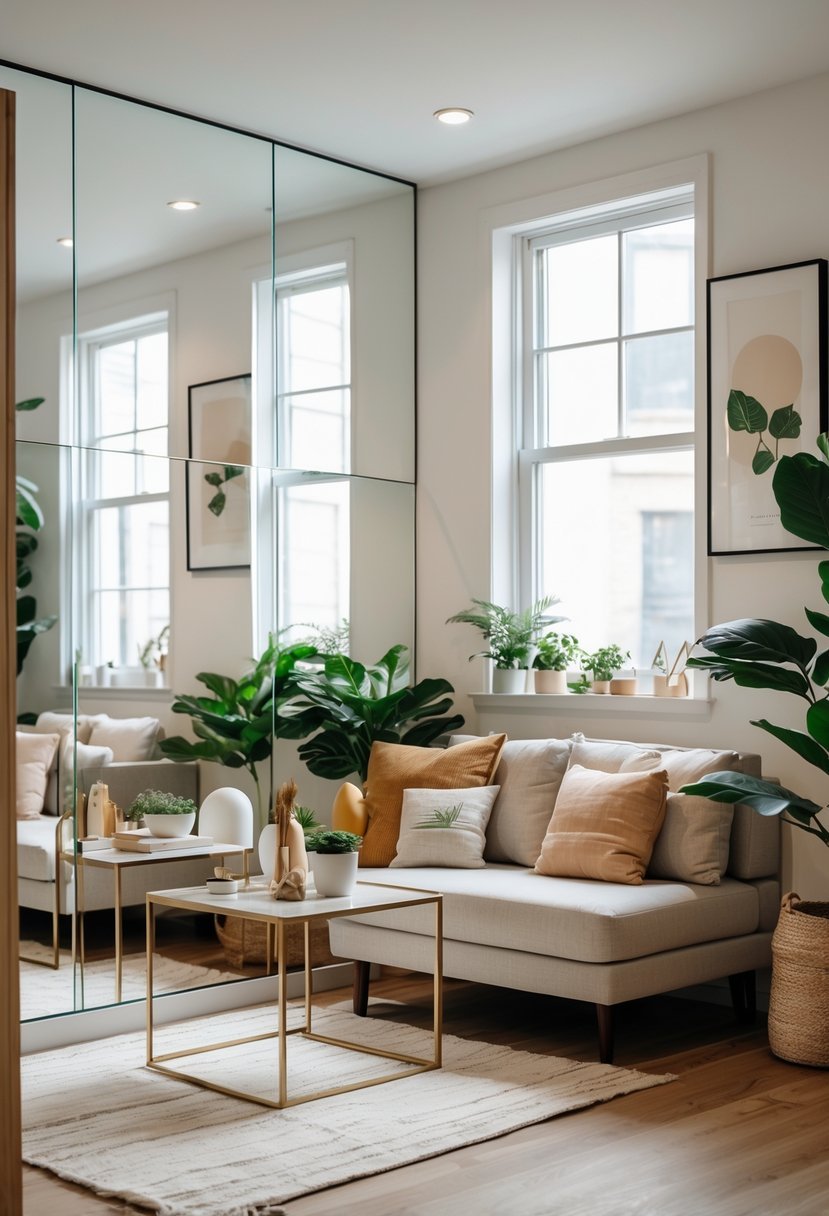
You can use mirrors to reflect light and make your living room feel more open. Placing a large mirror strategically adds visual depth, expanding the perceived space without physical changes.
Choose mirrors with decorative frames to also enhance your room’s style while improving brightness and openness.
4) Opt for furniture with exposed legs for an airy feel
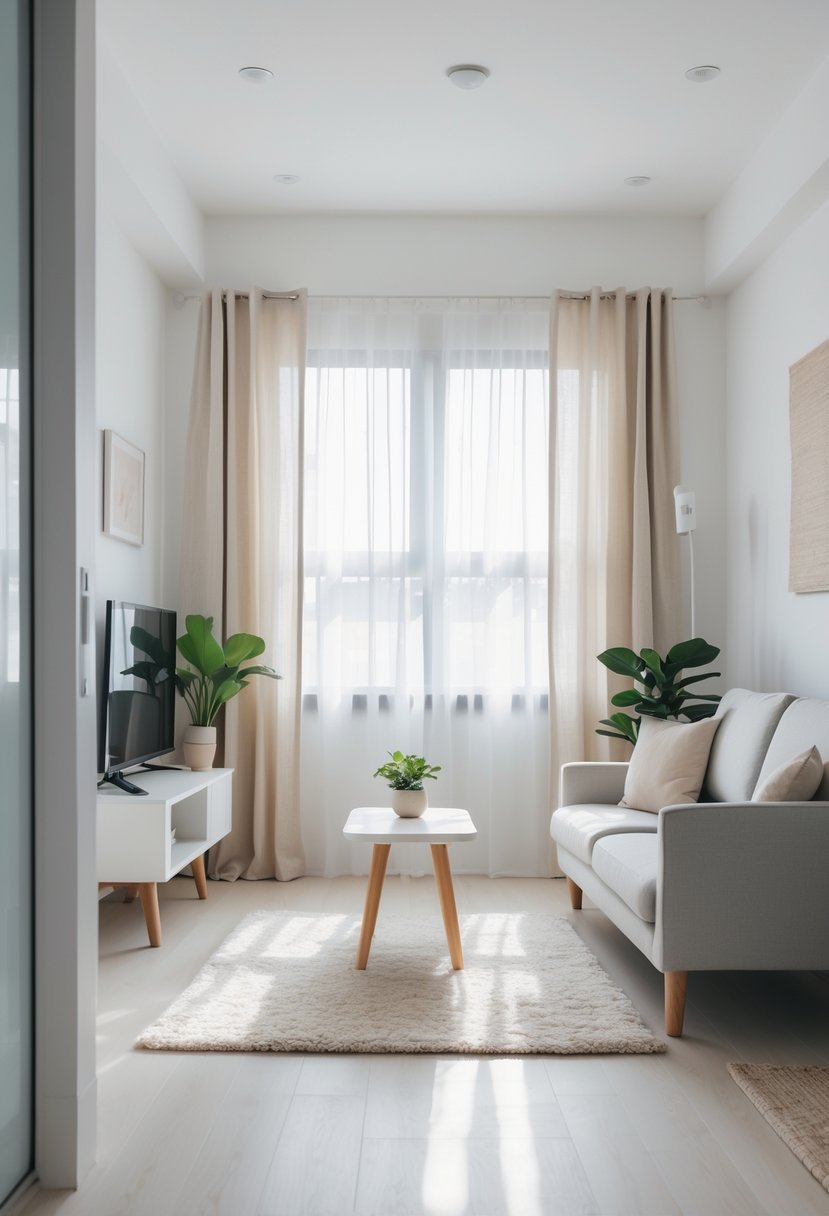
Choose furniture with exposed legs to keep your living room feeling open. This design lets light flow under pieces, reducing visual bulk. It creates the illusion of more floor space, helping your room appear less crowded.
5) Use floating shelves to maximize vertical storage.
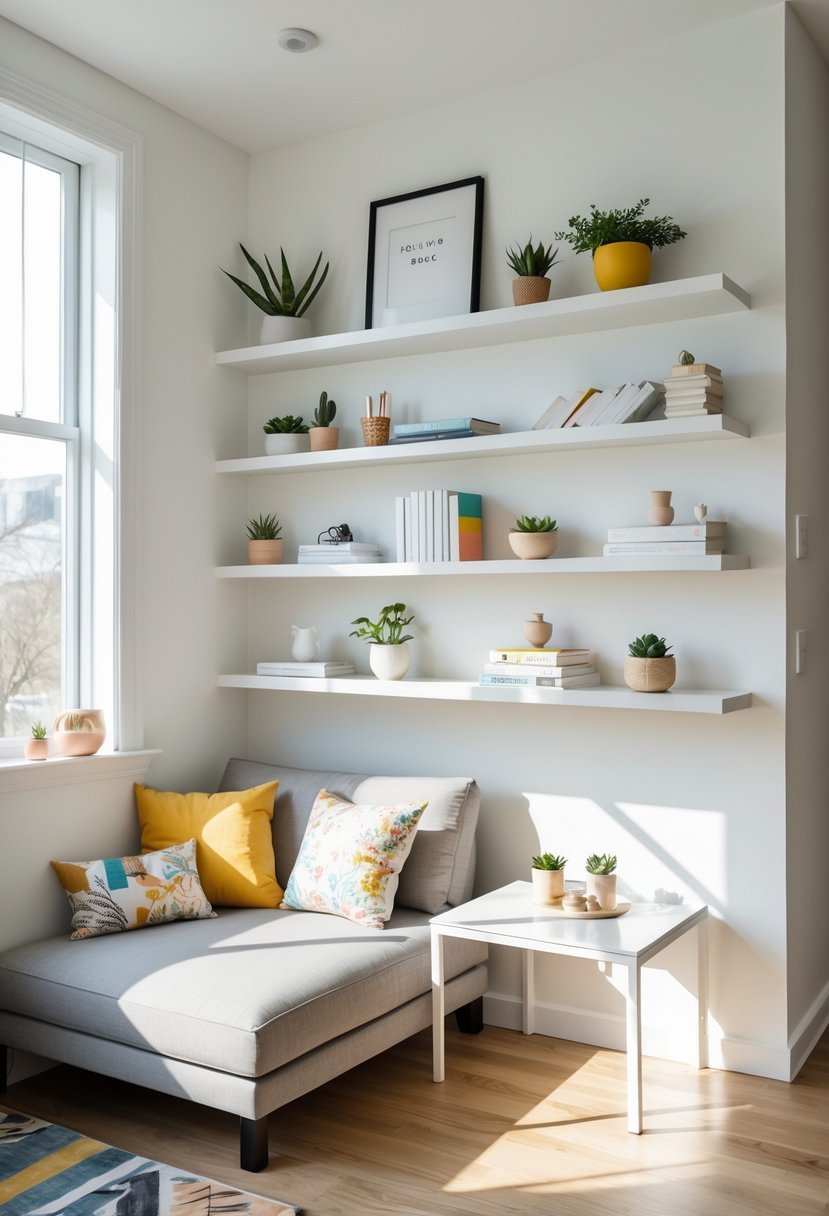
You can save valuable floor space by installing floating shelves on your living room walls. They provide a clean, modern look while giving you places to store books, decor, or photos.
Position shelves higher on the wall to keep items accessible yet out of the way. This approach helps keep your room organized without feeling cluttered.
6) Place a large rug to unify the seating area.
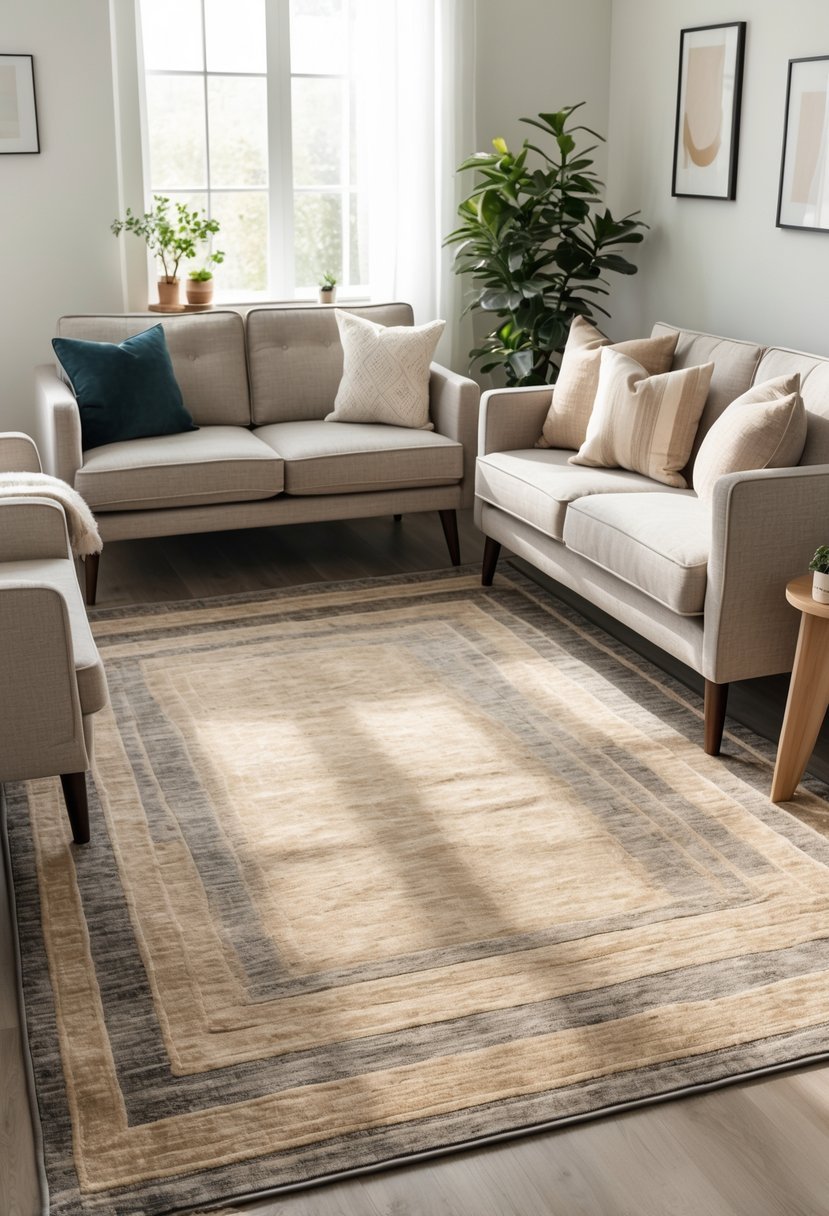
Choose a rug large enough to fit all your furniture legs, including the sofa and chairs. This creates a clear, unified seating zone.
A well-sized rug anchors the space and makes your living room feel more cohesive without overwhelming it.
7) Use slim-profile furniture to reduce bulkiness
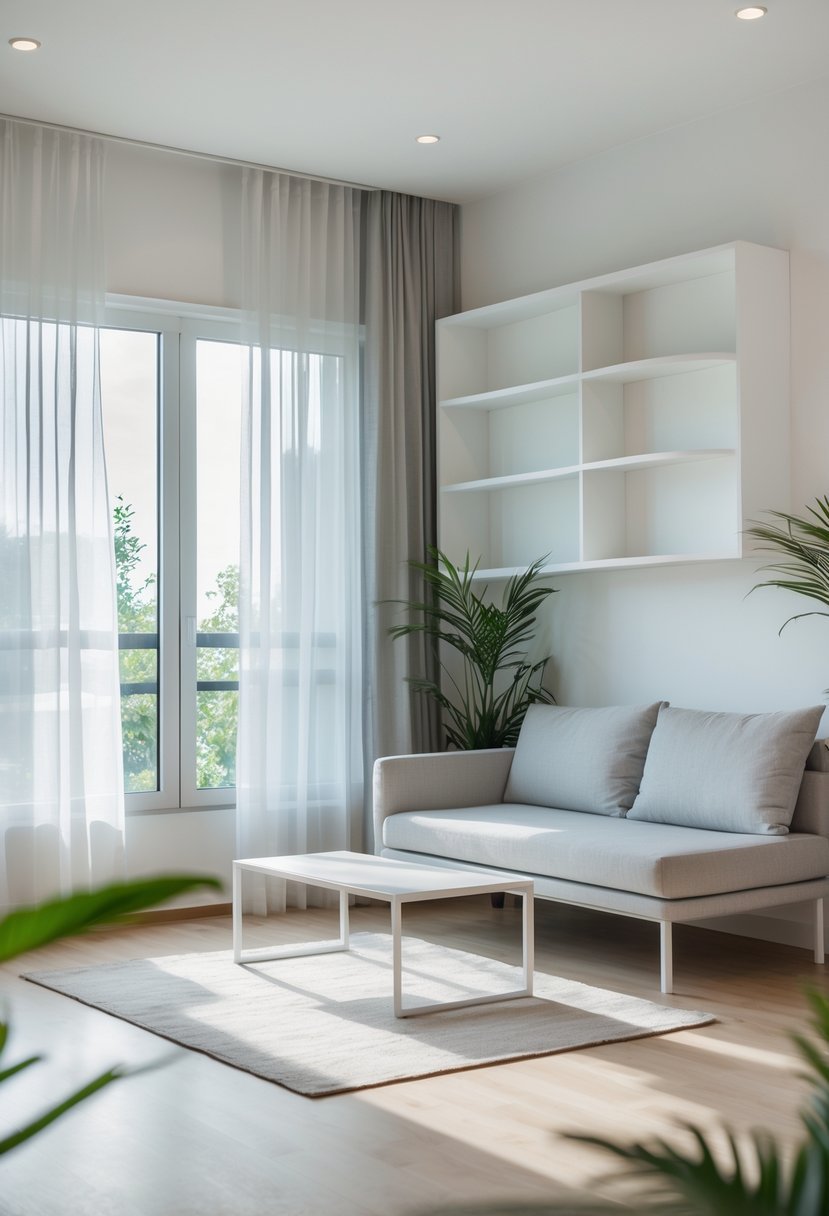
Choose furniture with narrow frames and legs to open up floor space. Slim-profile pieces create a lighter, less crowded feel in your room.
This approach helps maintain functionality without overwhelming your small living area. It also makes it easier to rearrange and adapt your layout.
8) Add layered lighting combining floor lamps and wall sconces
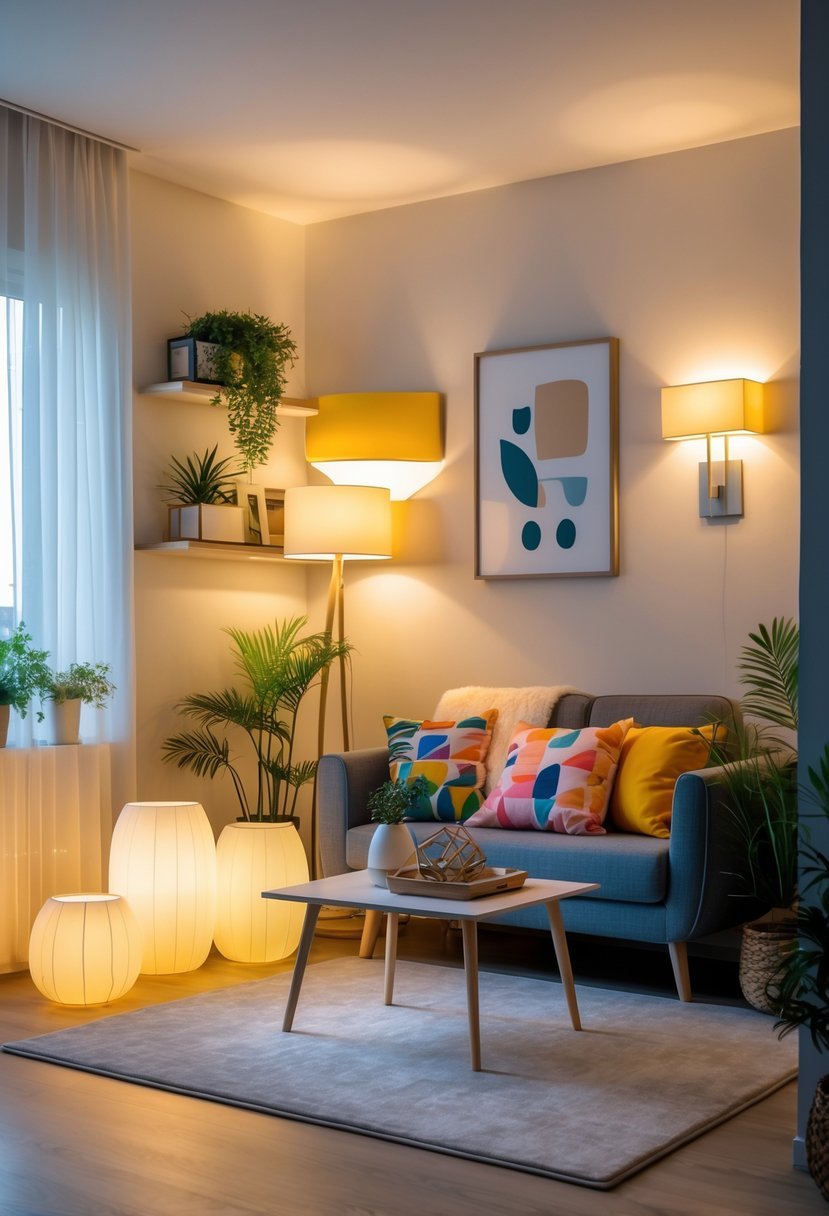
You can enhance your small living room by layering light with floor lamps and wall sconces. Floor lamps provide flexible, task-focused light while wall sconces add ambient or accent lighting without taking up floor space.
This combination creates depth and balance, making the room feel more open and inviting. Use dimmers to adjust the mood and improve versatility throughout the day.
9) Select transparent acrylic chairs or tables to reduce visual weight.
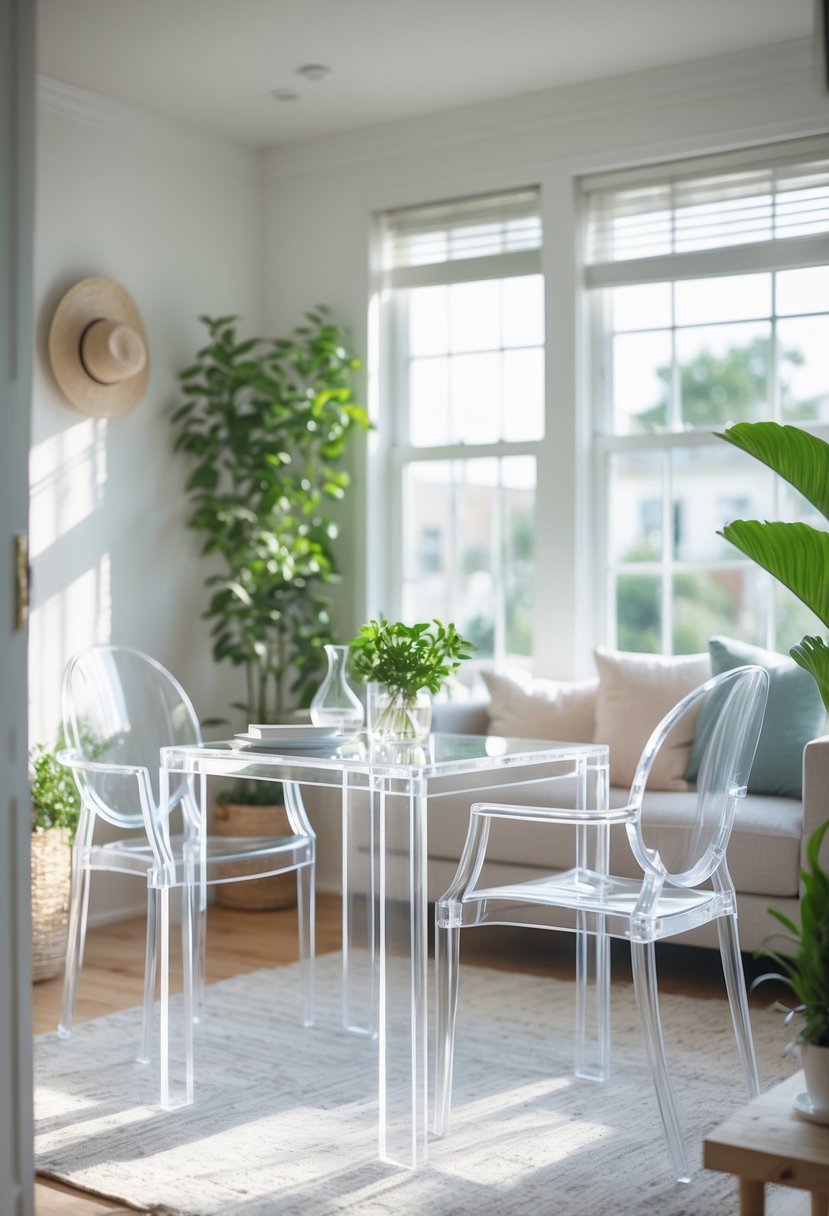
You can make your small living room feel more open by choosing transparent acrylic furniture. These pieces let light pass through, minimizing the visual clutter in your space. Acrylic chairs or tables maintain function without overwhelming the room.
10) Incorporate built-in storage to hide clutter efficiently
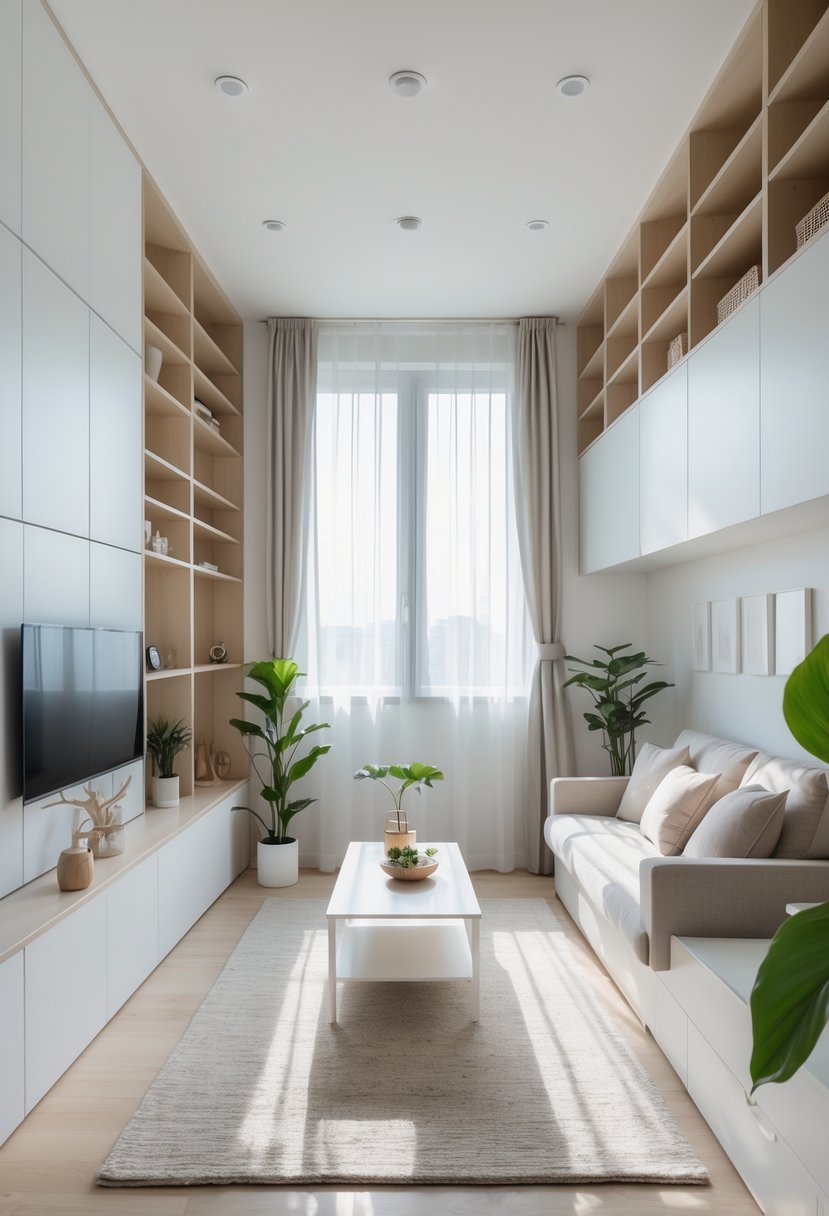
You can maximize small living room space by using built-in storage options. Think wall-recessed shelves or under-stair drawers to keep items out of sight. These solutions blend with your decor and keep your room organized without adding bulk.
11) Choose a minimalist coffee table with hidden compartments
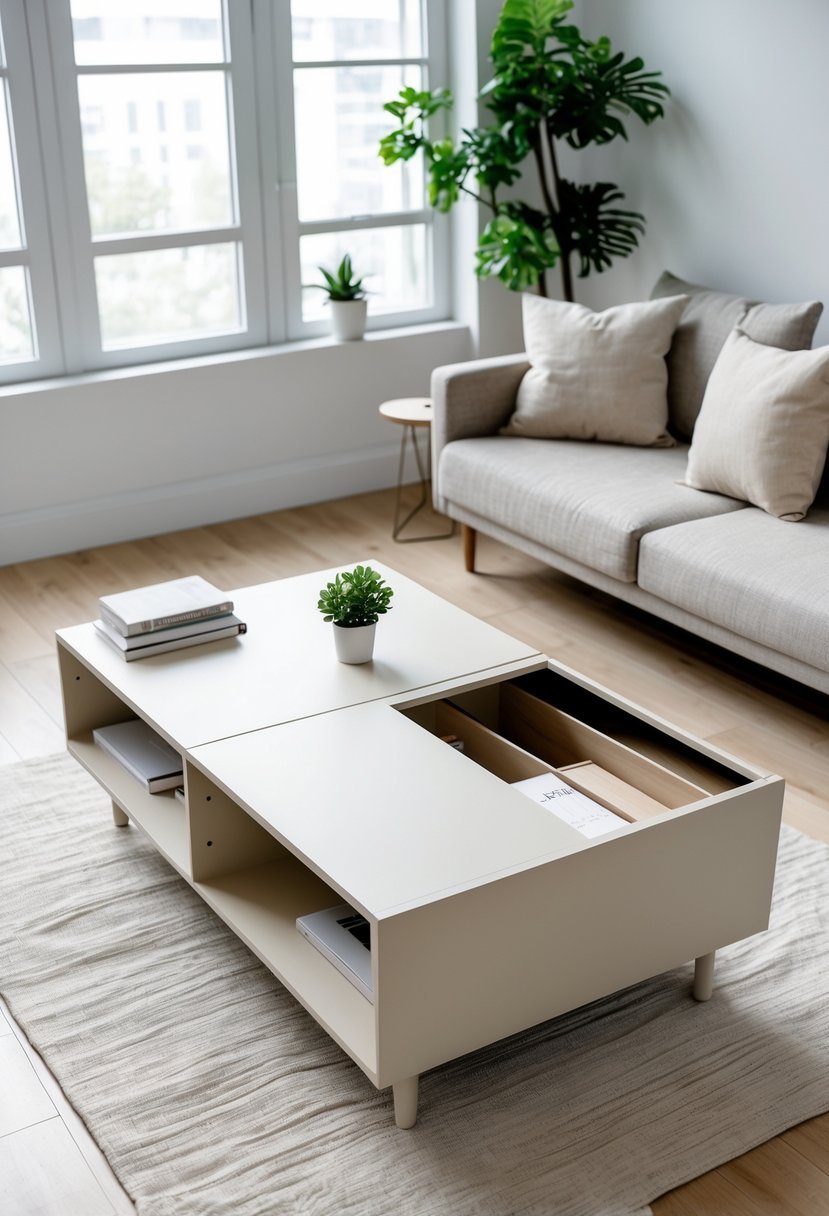
You can save space and reduce clutter by selecting a minimalist coffee table with hidden compartments. These tables offer clean designs that fit small living rooms while providing smart storage solutions.
Look for lift-top or drawer features to keep essentials tucked away. This keeps your space tidy without sacrificing style or function.
12) Use curtains mounted close to the ceiling to elevate window height.
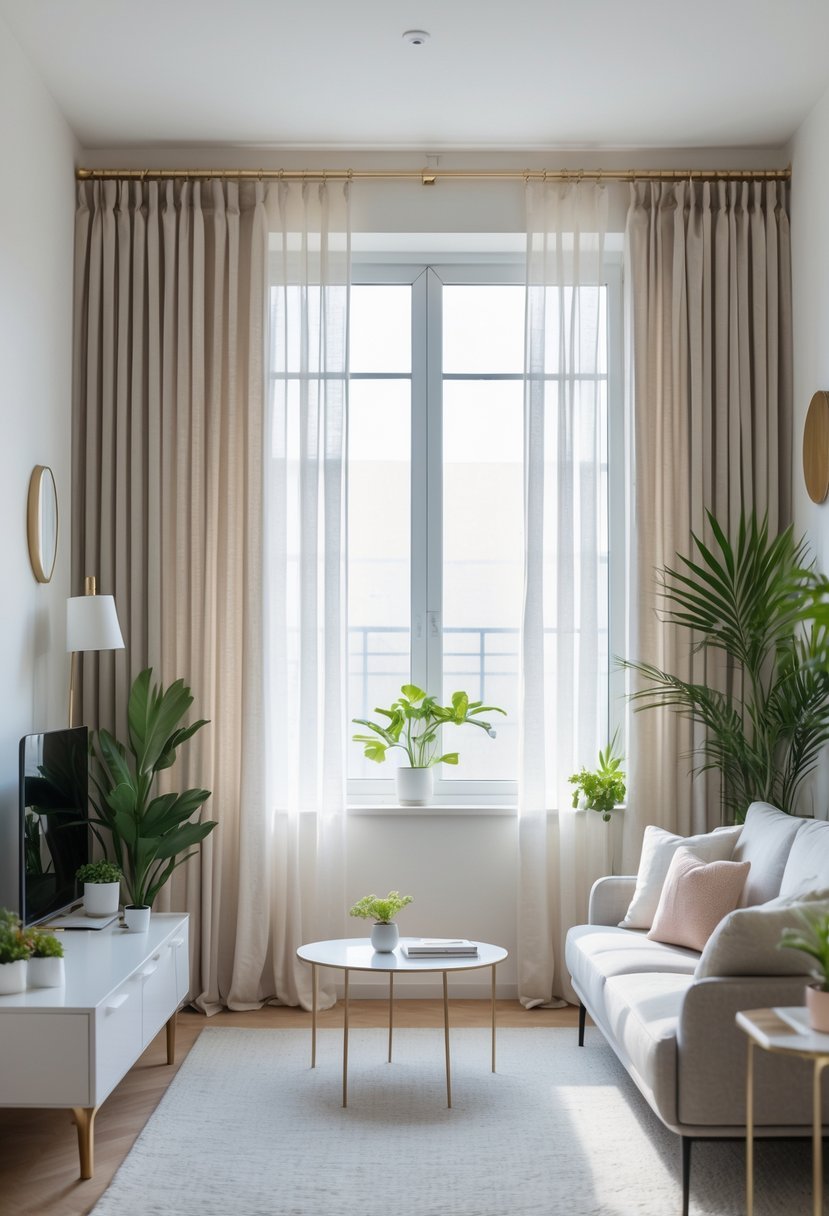
Mount your curtain rods just below the ceiling rather than directly above the window frame. This simple adjustment draws the eye upward, making your windows and room appear taller.
Choose floor-length curtains that extend from the rod to the floor to enhance this effect. This technique helps open up small living spaces without structural changes.
Understanding Spatial Balance
Spatial balance lets you create a sense of harmony in your small living room. It involves managing how objects and open areas interact, making the room feel comfortable and functional rather than cluttered or awkward.
Visual Weight in Small Spaces
Visual weight refers to how heavy or light an object appears to the eye. In small rooms, avoid bulky or dark furniture that demands too much attention. Instead, choose pieces with slim profiles or raised legs to let light flow underneath, which reduces visual heaviness.
Use lighter colors and transparent materials like glass or acrylic to keep the space feeling open. Grouping smaller items can balance larger furniture without overwhelming the room. Mirrors also help by reflecting light and creating the illusion of depth, shifting focus to open areas rather than concentrated clutter.
Maximizing Layout Efficiency
Arrange furniture to support easy movement and functional zones without overcrowding. Prioritize multi-purpose pieces, such as storage ottomans or foldable tables, to save floor space.
Keep pathways clear and align larger items against walls or corners to open up the center. Use vertical space for storage or decor to draw the eye upward, expanding the perceived room height. Consistent spacing between items maintains balance and prevents visual chaos. Planning the layout with intention means every inch works for comfort and practicality.
Enhancing Light and Ambience
Creating a bright, inviting atmosphere in a small living room depends on effective lighting and the strategic use of materials that amplify light. Incorporate multiple light sources and reflective elements to maximize the feeling of space and warmth.
Layered Lighting Techniques
Using a combination of ambient, task, and accent lighting is essential for a well-lit small living room. Ambient lighting provides general illumination and can come from ceiling fixtures or recessed lights. Task lighting targets specific areas—reading lamps or adjustable sconces work well for focused activities.
Accent lighting highlights artwork, plants, or architectural features, adding depth and interest. Position lights at different heights and angles to avoid shadows that can make a space feel cramped. Dimmers help you control brightness and shift the mood from bright and lively to soft and cozy.
Aim to balance natural and artificial light sources. If your room has windows, place mirrors or reflective objects opposite them to bounce daylight deeper into the space.
Choosing Reflective Materials
Reflective surfaces help distribute light and visually expand your living room. Opt for furniture and décor in glossy finishes like glass, polished metal, or lacquered wood to capture and reflect light around the room.
Mirrors are one of the most effective tools. Large mirrors or mirrored wall panels opposite windows amplify sunlight and create the illusion of additional space. You can also integrate smaller mirrors as decorative accents.
Light-colored fabrics and surfaces with subtle sheen, such as silk cushions, satin curtains, or glossy tiles, contribute to an airy feel. Avoid matte and dark finishes, which absorb light and can make your room appear smaller and dimmer.