Small bedrooms can be challenging to design, but they also offer a unique chance to create a cozy and efficient space. Many people struggle with fitting all their needs into a small room without feeling cramped or cluttered. The key to successful bedroom inspiration for small rooms lies in maximizing space while maintaining comfort and style.
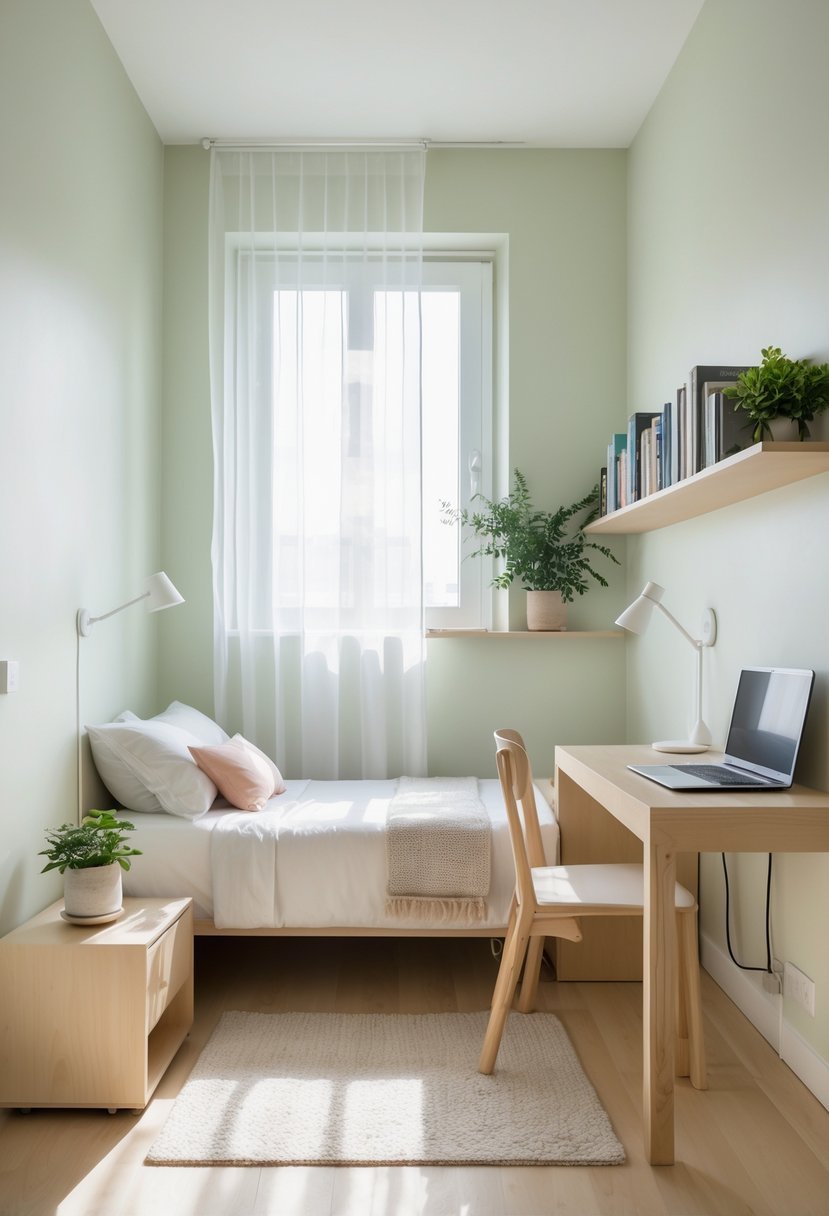
This article explores different ideas to help anyone turn a limited area into a functional and pleasant retreat. It shows how simple changes and smart arrangements can make a big difference in small bedroom design.
1) Use multifunctional furniture like storage beds or ottomans
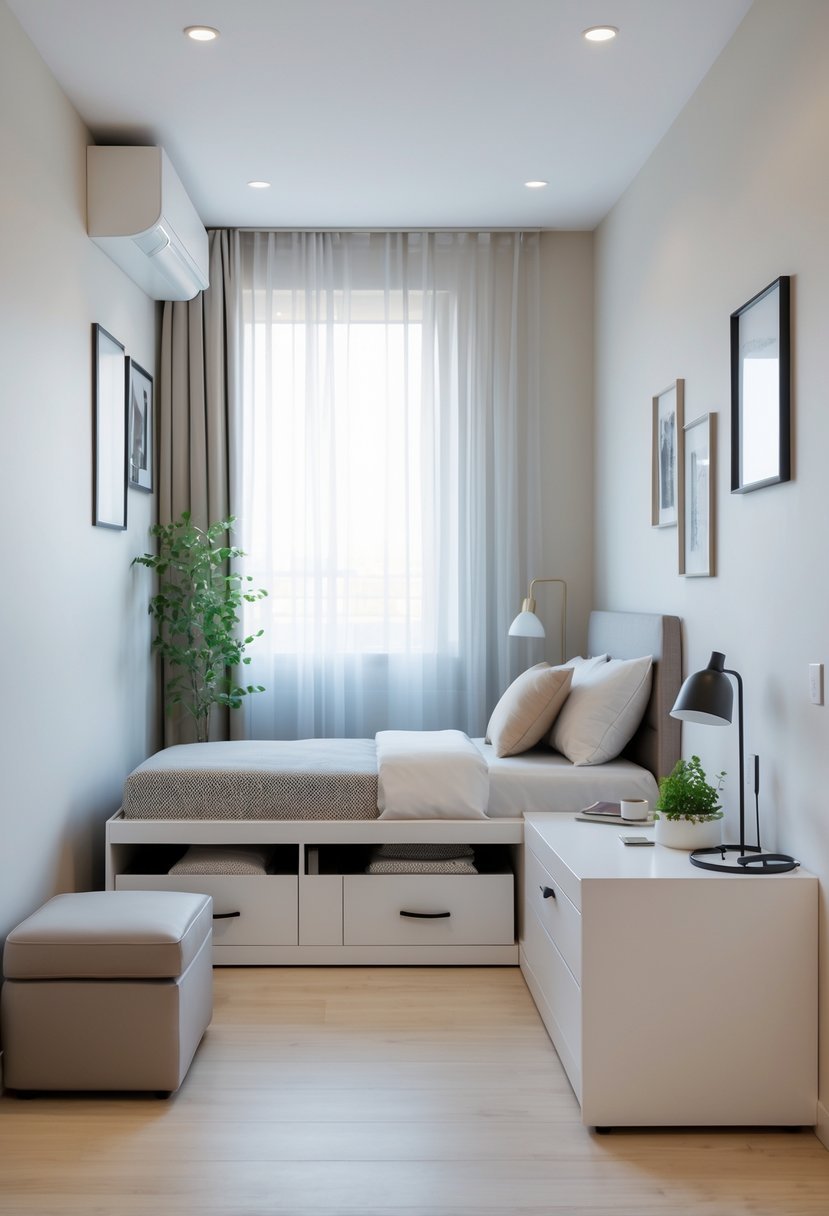
Multifunctional furniture is a smart choice for small bedrooms. Storage beds offer extra space underneath the mattress for items like clothes, shoes, or blankets. This helps keep the room tidy without needing extra furniture.
Ottomans with hidden storage provide a place to sit and store items at the same time. They can hold bedding, magazines, or other small things. These pieces save space and reduce clutter.
Choosing furniture with more than one purpose makes the room feel larger. It limits the amount of bulky furniture and allows for better organization. This approach fits well in compact living areas.
2) Incorporate vertical shelving to maximize wall space
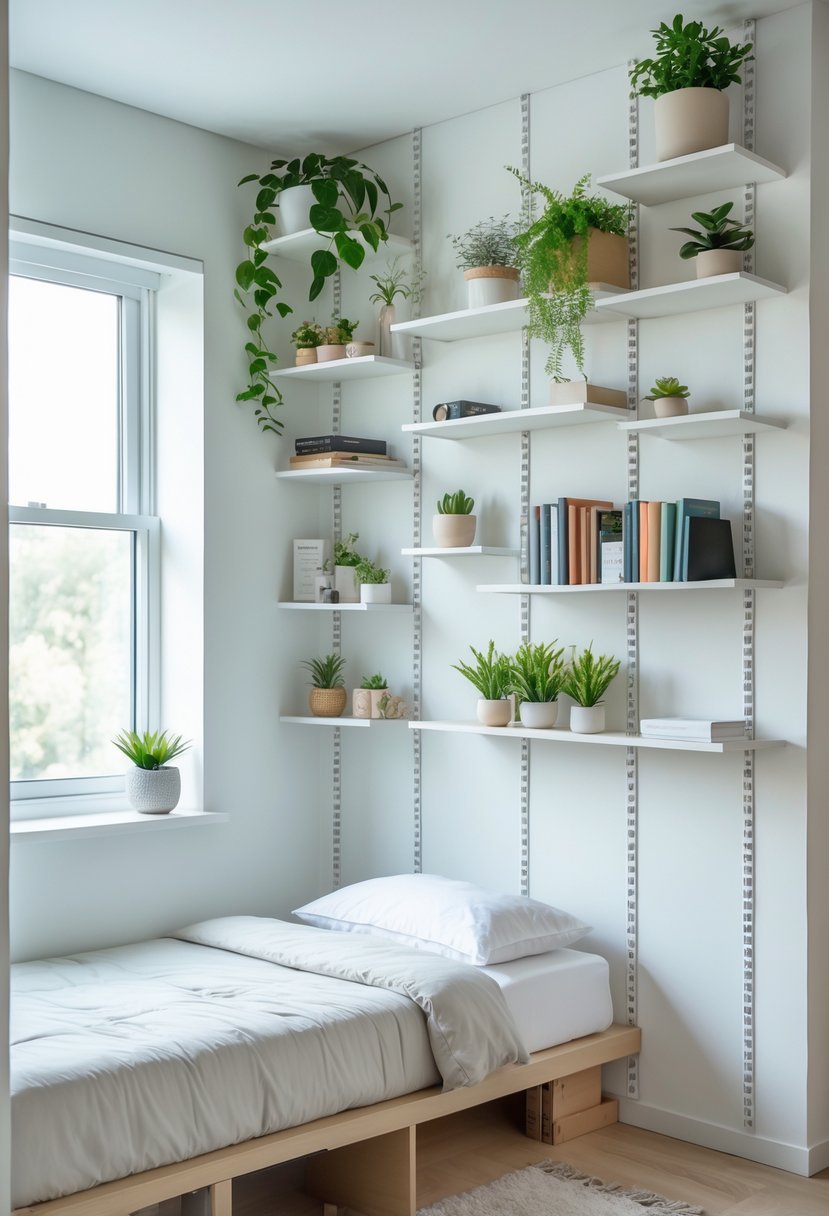
Using vertical shelving helps make the most of limited floor space in small bedrooms. Shelves mounted on walls provide storage without taking up room on the floor.
They can hold books, decor, or storage bins to keep the area tidy and organized. Vertical shelves also allow for customization based on what a person needs to store or display.
Adding corner shelves or tiered units can use otherwise wasted areas. This approach adds storage without cluttering the room, keeping it functional and neat.
Wall-mounted shelving offers a simple way to increase storage while maintaining a clean look. It can also help balance the room’s design by mixing open and closed storage options.
3) Choose light, neutral paint colors to create an illusion of space
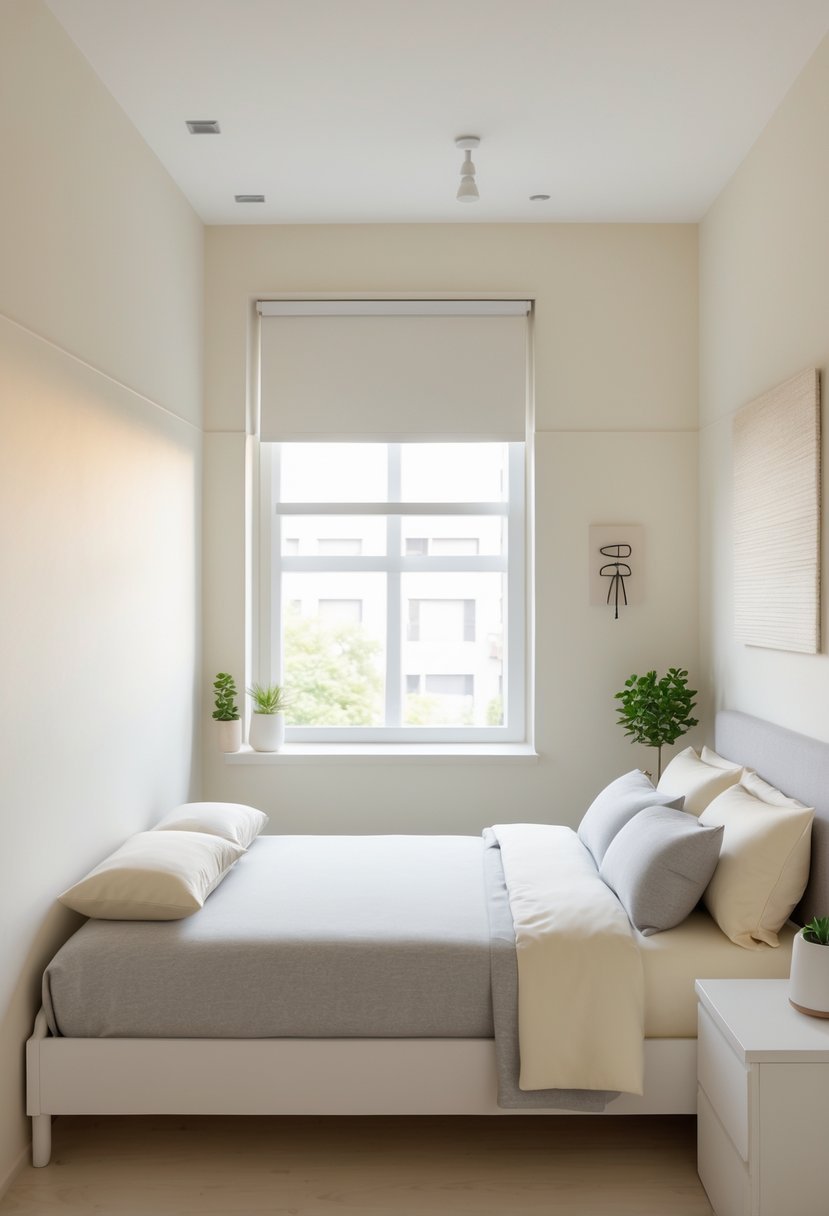
Light, neutral paint colors help make small bedrooms feel larger. Shades like off-white, soft gray, and pale beige reflect more light. This reflection brightens the room and makes walls seem farther apart.
Neutral colors also create a calm and open atmosphere. They do not overpower the space, allowing furniture and decor to stand out without crowding the room.
Using light neutrals can also add depth. When paired with natural light, these colors enhance the airy and spacious feel, making even a compact bedroom appear more inviting.
4) Install mirrors strategically to reflect light and open up the room
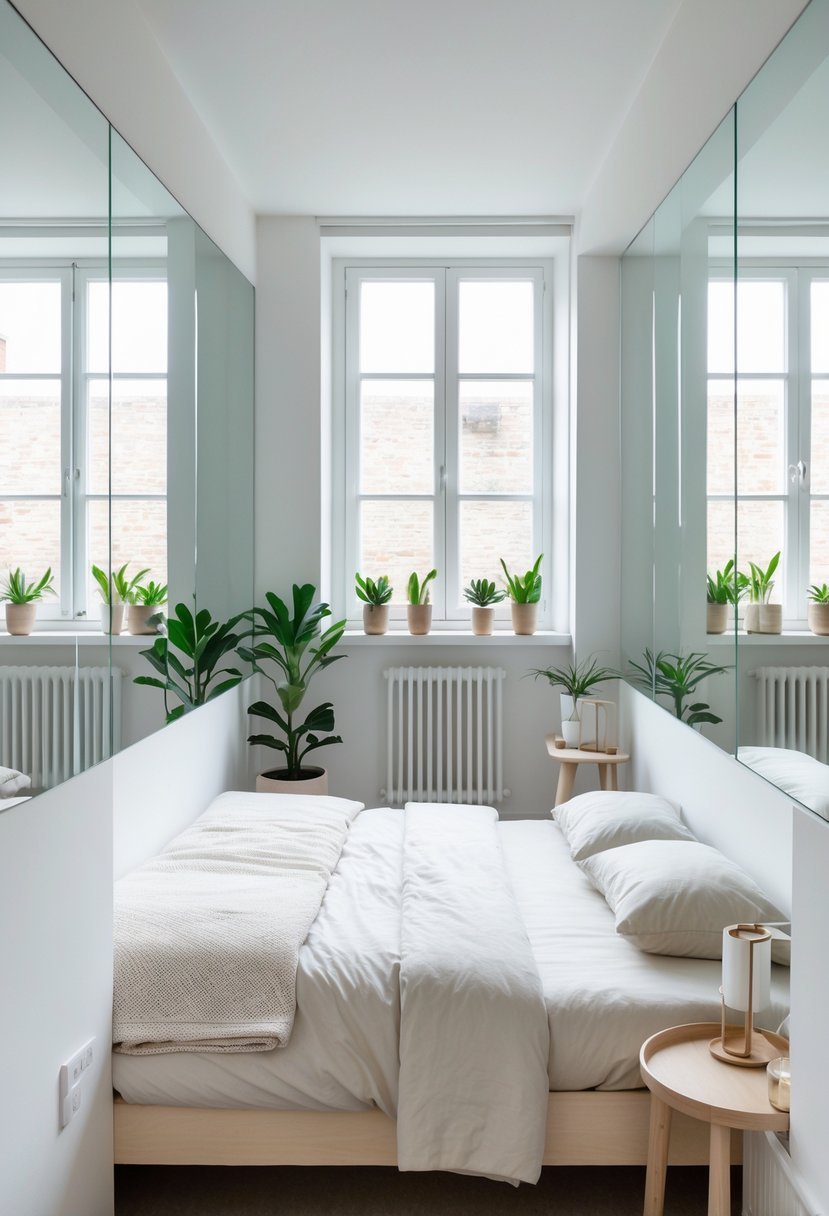
Mirrors can make a small bedroom feel more spacious by reflecting light and creating an illusion of depth. Placing a mirror opposite a window helps bounce natural light around the room, brightening dark areas.
Choosing the right size is important; mirrors that cover about one-third of a wall work well. This balance avoids overpowering the space while still enhancing it.
Positioning mirrors where they reflect key design elements or open areas adds interest and depth. This simple step improves both the room’s lighting and overall feel without major changes.
5) Opt for loft or bunk beds to free up floor area
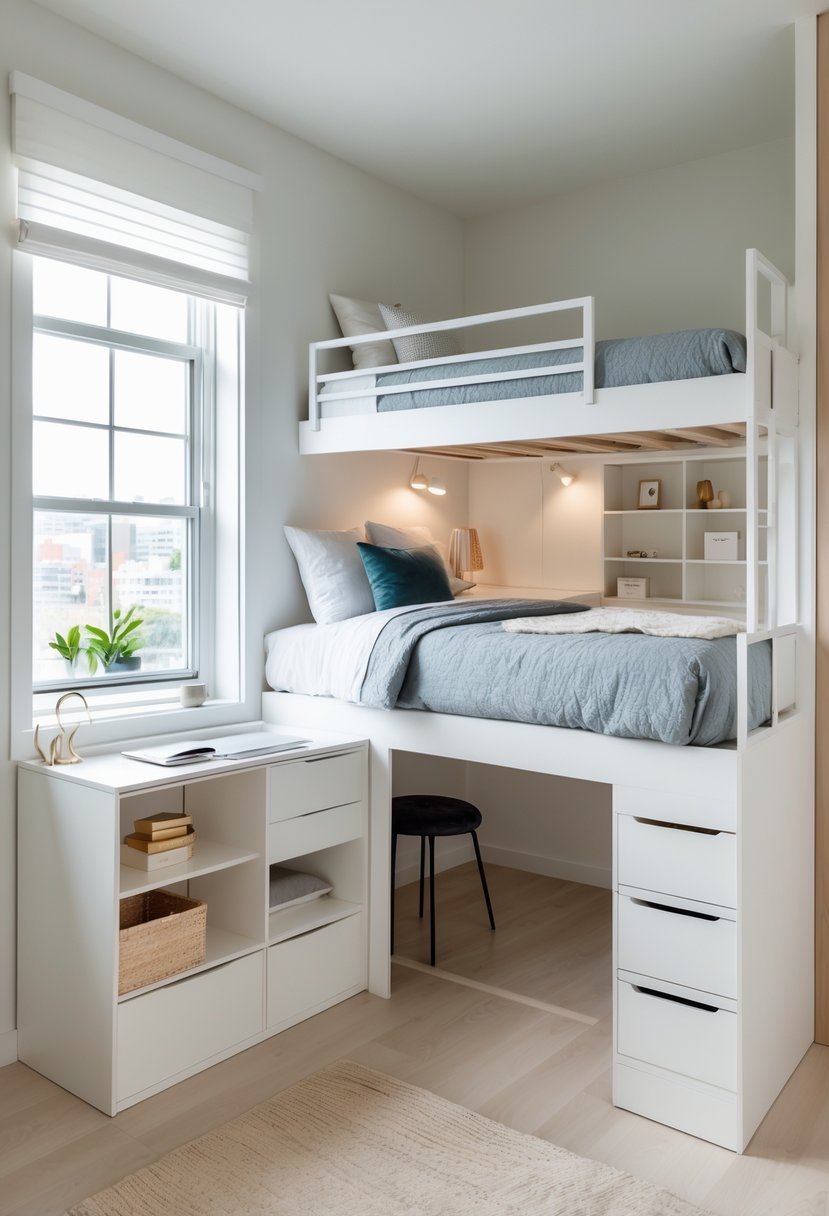
Loft and bunk beds are practical choices for small bedrooms. They raise the sleeping area, leaving valuable floor space free for other uses. This can make a room feel larger and less crowded.
Bunk beds stack two sleeping areas, which is useful for kids sharing a room. Loft beds lift one mattress high, creating space underneath for a desk, storage, or a play area.
These beds work well in small apartments, dorm rooms, or any tight space where saving room is important. They combine function with smart design without sacrificing comfort.
6) Use under-bed storage solutions for less clutter
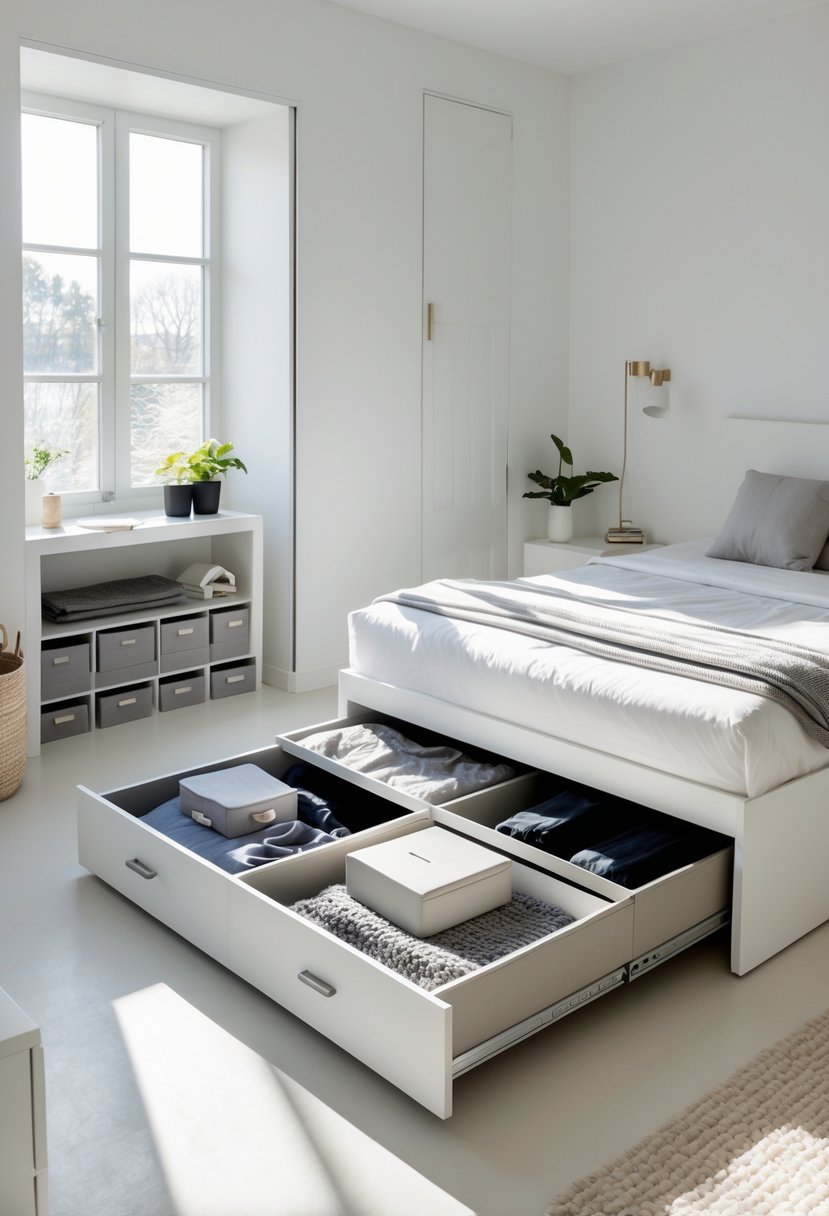
Under-bed storage helps keep small bedrooms tidy by using space that is often wasted. It allows for storing items like clothes, shoes, or bedding out of sight.
There are many options available, such as flat bins, drawers, or lift-up bed frames. These solutions can be both practical and stylish, fitting different needs and room designs.
Using under-bed storage can make it easier to organize seasonal items or things not used daily. This reduces clutter and frees up closet or dresser space.
Overall, under-bed storage is a smart way to maximize space and maintain a clean, organized bedroom in small rooms.
7) Add floating nightstands to save floor space
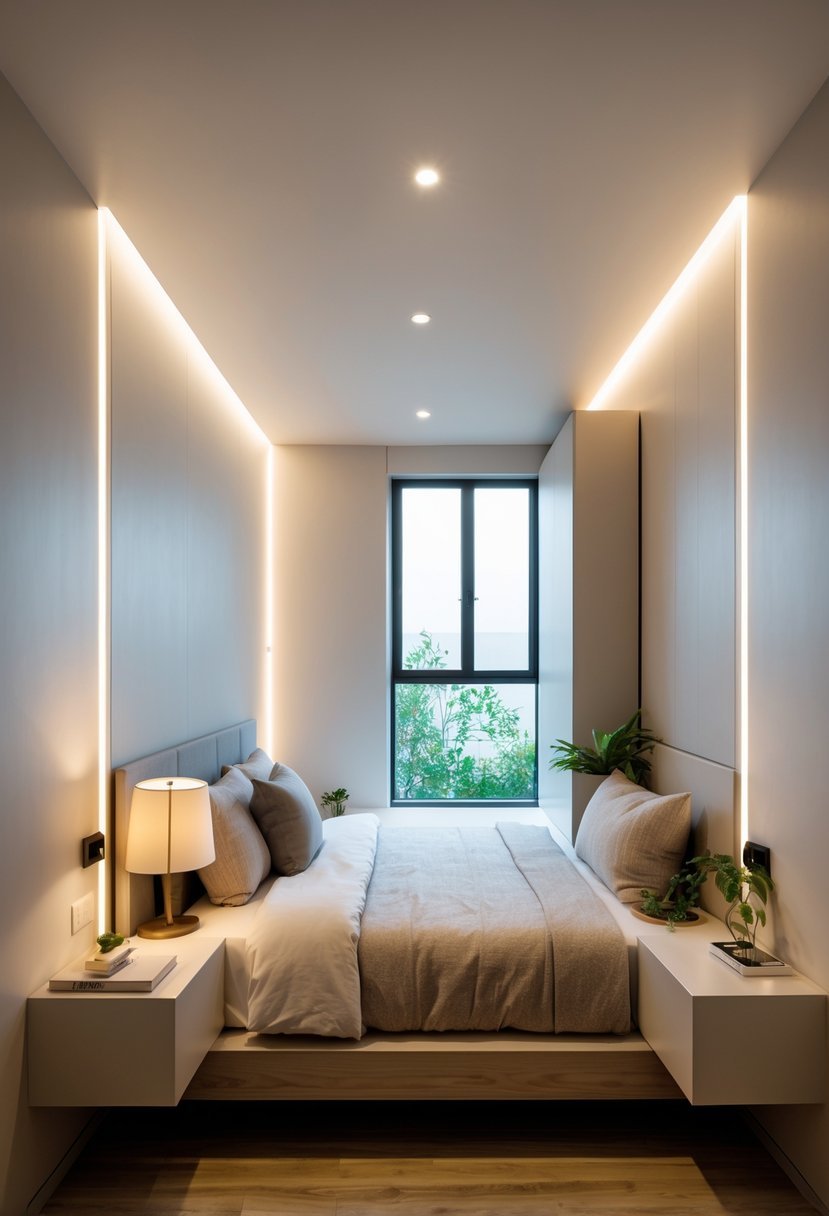
Floating nightstands attach to the wall, freeing up floor space. This makes the bedroom feel larger and less cluttered. Small rooms benefit because the floor stays open for other uses.
These nightstands can hold essentials like books, glasses, or lamps without taking up room. They often come in simple designs that fit many styles, from modern to classic.
By using the wall vertically, floating nightstands provide storage without bulk. This is a smart choice for those who need space but still want convenience next to the bed.
8) Layer soft, minimalist bedding for a cozy feel without bulk
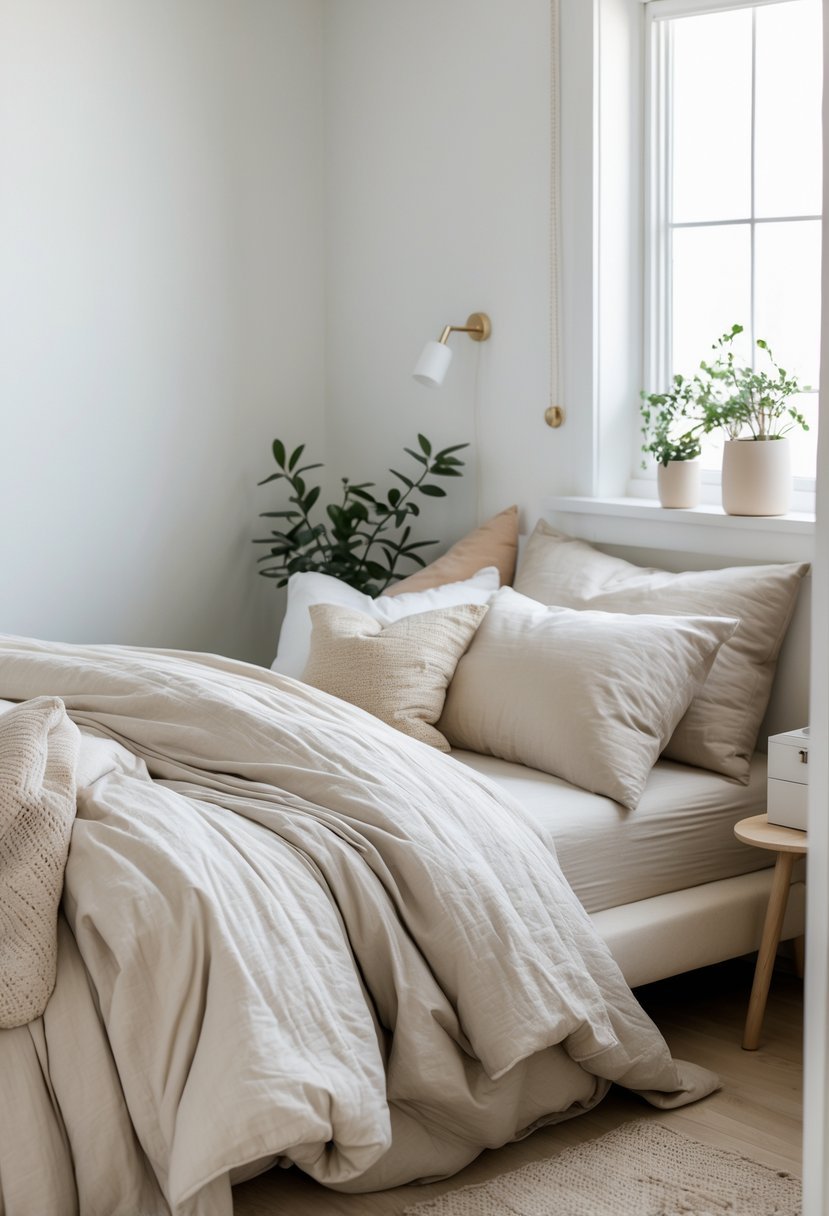
They can create a cozy bed by layering soft bedding in neutral tones. Using lightweight linens like cotton or linen keeps the look simple and breathable. This helps avoid a heavy or cluttered feeling in a small room.
Adding a textured throw or a thin wool blanket at the foot of the bed brings warmth without taking up space. Soft cushions or pillows in matching colors can add comfort and depth.
By focusing on natural fabrics and subtle textures, the bed feels inviting but not bulky. This technique keeps the room calm and stylish while maximizing comfort.
9) Employ sliding doors instead of swinging doors
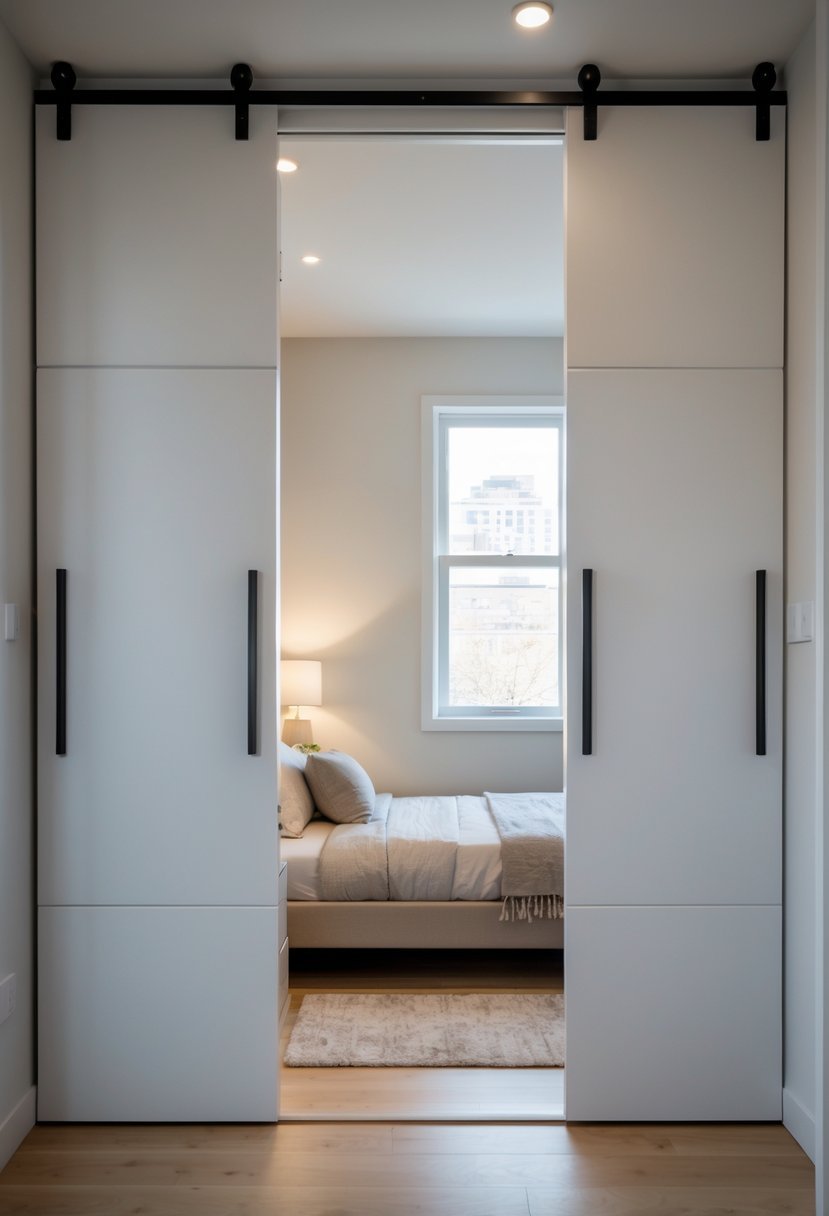
Sliding doors save space because they do not need room to swing open. This makes them ideal for small bedrooms where every inch counts.
They slide parallel to the wall, allowing furniture to be placed closer to the door. This can create a more open and functional layout.
Sliding doors come in many styles, such as mirrored, wooden, or frosted glass. These options can add style while keeping the room feeling larger.
It is important to leave enough space in front of the door for easy access. This prevents the area from feeling cramped and keeps movement comfortable.
Choosing sliding doors can help maximize storage and make the room easier to organize. They offer both style and practical benefits in small spaces.
10) Use slim-profile lighting fixtures like wall sconces
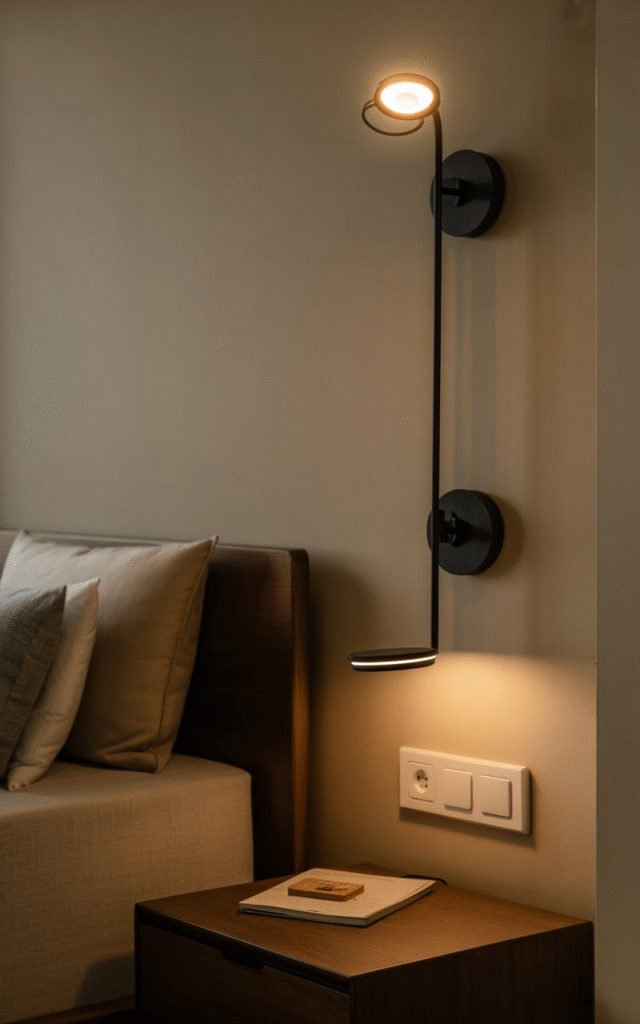
Slim-profile lighting fixtures, such as wall sconces, save valuable floor and table space in small bedrooms. They attach directly to the wall, freeing up surfaces for other uses.
Wall sconces provide focused light, making them ideal for reading or other bedside tasks. Their slim design means they do not get in the way or crowd the room.
These fixtures come in many styles, fitting various bedroom designs. They also help layer lighting, adding warmth without bulky lamps.
Using wall sconces helps keep a small room uncluttered while still offering good light. This makes the space feel more open and comfortable.
Design Principles for Small Bedrooms
Small bedrooms benefit from careful attention to light, color, and furniture. These elements work together to create a room that feels open, organized, and comfortable while making the best use of limited space.
Maximizing Natural Light
Natural light expands the feel of a small bedroom. Large windows or unobstructed window areas help bring in daylight, reducing the need for artificial lighting.
Sheer curtains or blinds let sunlight pass through without sacrificing privacy. Mirrors placed opposite or close to windows reflect light, doubling its effect and brightening up darker corners.
Choosing window treatments that fully open during the day ensures the most sunlight and airflow. Walls painted in light, neutral hues will also improve the spread of natural light throughout the room.
Space-Saving Color Schemes
Light colors make a small room appear bigger and less cluttered. Whites, creams, soft grays, and pastels can open up walls and ceilings visually.
A monochromatic color scheme prevents visual breaks, creating a smooth, unbroken flow that tricks the eye into seeing a larger area.
Using darker or bolder colors for accents like pillows, rugs, or artwork adds depth without overwhelming the room. Avoid heavy patterns or many contrasting colors that can make the space feel busy and cramped.
Selecting Multi-Functional Furniture
Furniture that serves more than one purpose reduces clutter and frees up floor space. Beds with built-in drawers or storage under the frame are ideal.
Fold-out desks, stackable chairs, and ottomans with hidden compartments allow flexibility without taking extra room.
Choosing pieces with a small footprint but tall or vertical storage options helps maintain open floor space. Light-colored furniture with clean lines adds to the perception of openness and keeps the room feeling balanced.
Common Mistakes to Avoid in Compact Spaces
Small bedrooms need careful planning to avoid feeling cramped or cluttered. Avoiding certain errors can improve both the look and use of the space. Two key issues often limit comfort and style in small rooms.
Overcrowding the Room
One of the biggest mistakes in a small bedroom is adding too much furniture. Large beds, multiple dressers, and bulky chairs take up valuable floor space.
This leaves little room to move and makes the room feel tight. Instead, furniture should be chosen carefully with size and function in mind.
A better approach is to use multi-purpose pieces, like beds with storage drawers underneath or foldable desks. Keep large furniture to a minimum and favor items that serve more than one purpose.
Clear spaces allow for better flow and help the room look more open. Overcrowding leads to clutter and a cramped feeling, which can reduce relaxation.
Ignoring Vertical Space
Vertical space is often overlooked but can be very useful in small bedrooms. Walls offer extra room to store items or show decoration without eating up floor space.
Shelves, hooks, and tall bookcases make good use of vertical areas. They keep belongings off the floor and organize the room better.
Using wall-mounted lighting instead of floor lamps saves space too. Hanging storage baskets or racks inside closets or near the bed helps keep things tidy.
Maximizing height can make a room feel larger by drawing the eye upward. Ignoring this space often leads to wasted potential and makes a small room feel more cramped.
Frequently Asked Questions
Space can be optimized by using furniture that serves more than one purpose and by carefully choosing colors and lighting. Organization and layout also play key roles in making a small bedroom practical and welcoming.
What are the best ways to maximize space in a small bedroom for two people?
They should use multifunctional furniture like storage beds or ottomans to keep items out of sight. Vertical shelving helps use wall space without cluttering floors. Loft or bunk beds can free up floor area for other uses.
How can adults effectively decorate small bedrooms to appear more spacious?
Light, neutral paint colors make walls seem larger and brighter. Mirrors placed across from windows reflect light and open up the room visually. Keeping furniture low-profile and avoiding oversized pieces also helps.
What are some modern design strategies for decorating small bedrooms?
Smart storage solutions are important. Furniture with hidden compartments and built-in drawers reduces clutter. Integrating technology, such as smart lighting, can add comfort without taking extra space.
How can someone design a small, single-occupancy bedroom efficiently?
They should focus on using the available space for both relaxation and storage. Using a bed with built-in storage or a daybed allows more room for other furniture. Adding shelves above the desk or bed can organize items without crowding the floor.
What budget-friendly ideas can transform the look of a small bedroom?
Paint is a low-cost way to brighten and enlarge the space. Adding removable wall shelves or hooks gives extra storage without costly furniture. Swapping out bedding and curtains in light colors refreshes the room quickly.
What are some minimalist small bedroom decorating ideas inspired by Pinterest trends?
Using a simple color palette of white or soft tones helps keep the room calm and airy. Choosing only essential furniture pieces prevents overcrowding. Clear storage bins and baskets keep things tidy without distracting from the clean style.