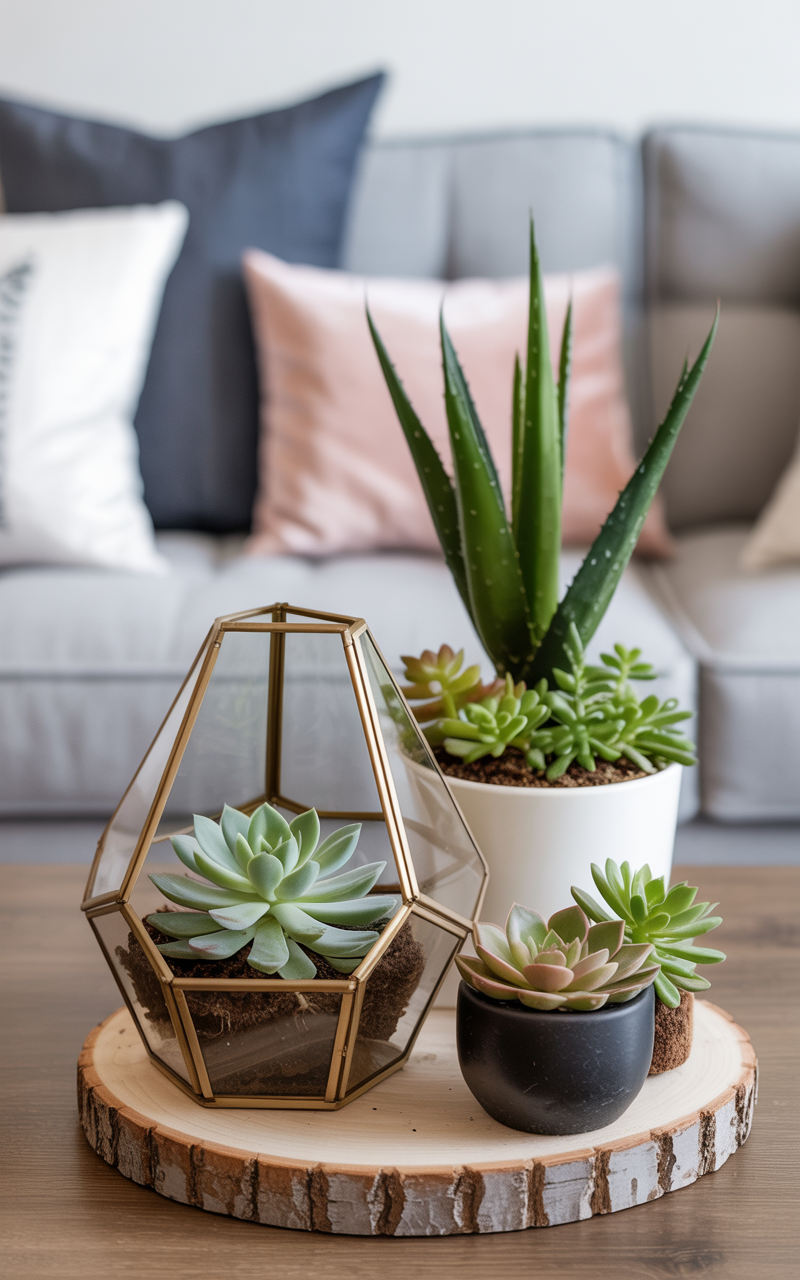
Indoor plants have become a popular way to enhance living room decor. They add natural beauty and create a refreshing atmosphere. Many people choose plants to bring life and color into their homes.
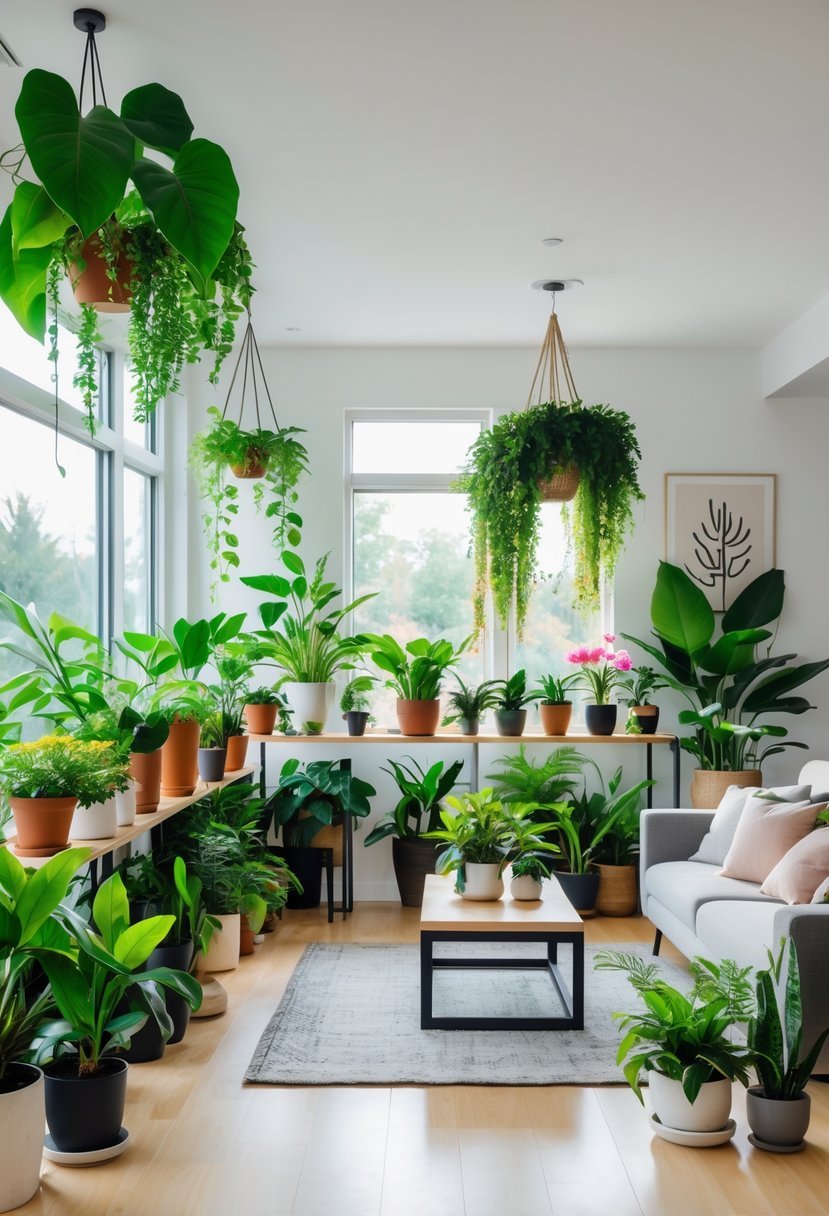
Indoor plants can improve the look and feel of a living room while also boosting mood and air quality. This article will explore 25 different indoor plants and ideas for incorporating them into living spaces. Readers will find inspiration to create a stylish and inviting environment.
1) Fiddle Leaf Fig
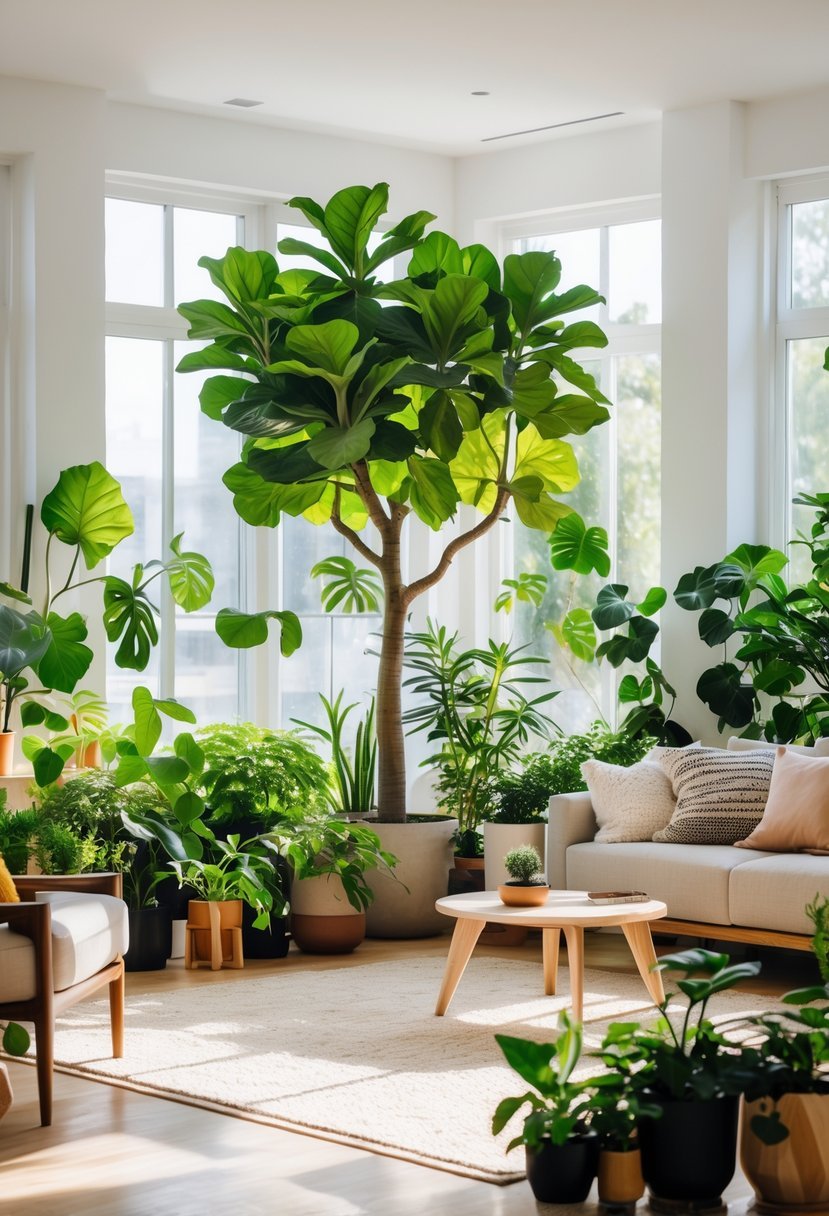
The fiddle leaf fig is a popular indoor plant known for its large, glossy leaves and tall shape. It works well as a centerpiece in living rooms.
This plant adds a natural, fresh look to any space. It pairs nicely with simple, modern furniture and neutral colors.
A stylish pot can help the fiddle leaf fig fit better with the room’s décor. It needs bright, indirect light to stay healthy.
2) Snake Plant
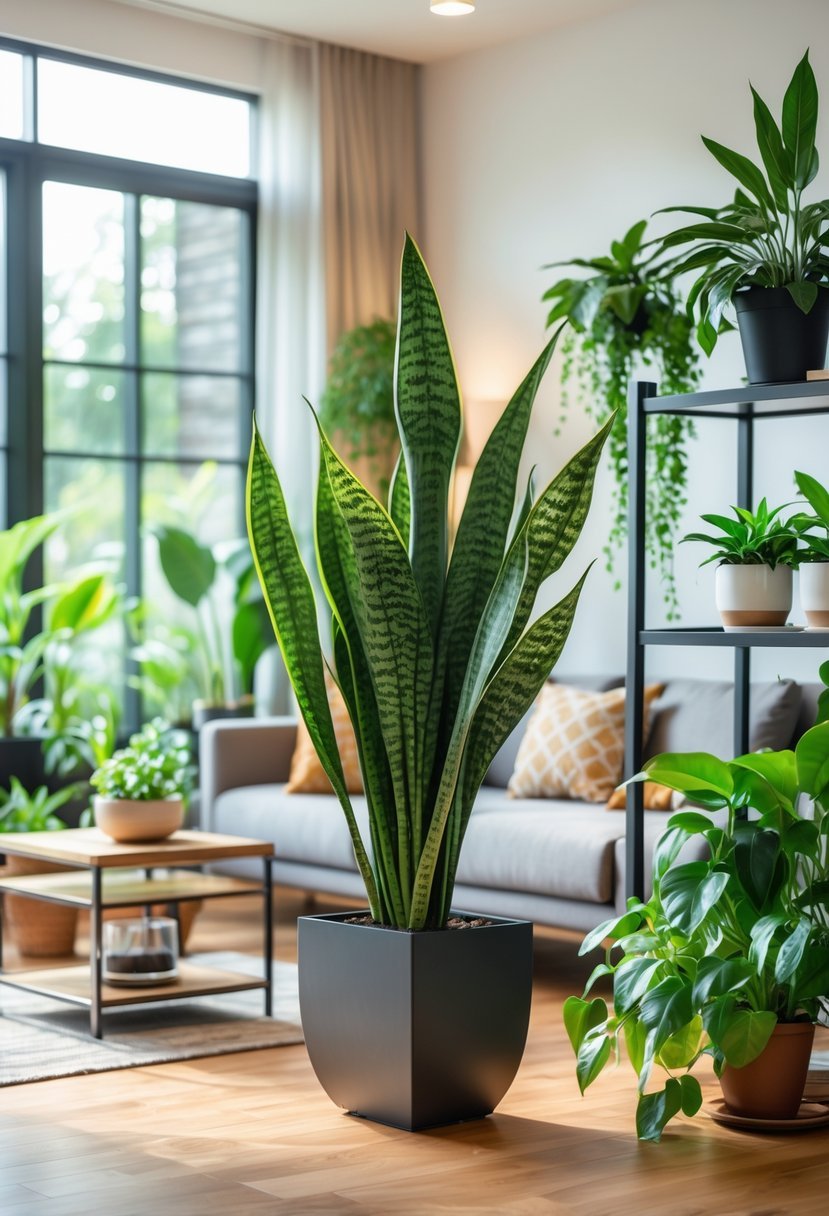
The snake plant is a popular choice for living rooms. It has tall, upright leaves that add a modern look to any space.
This plant is easy to care for and can survive in low light or bright areas. It also helps improve indoor air quality.
Because it grows upward, it saves space on tables and shelves. It fits well in corners or next to furniture without taking up much room.
3) Monstera Deliciosa
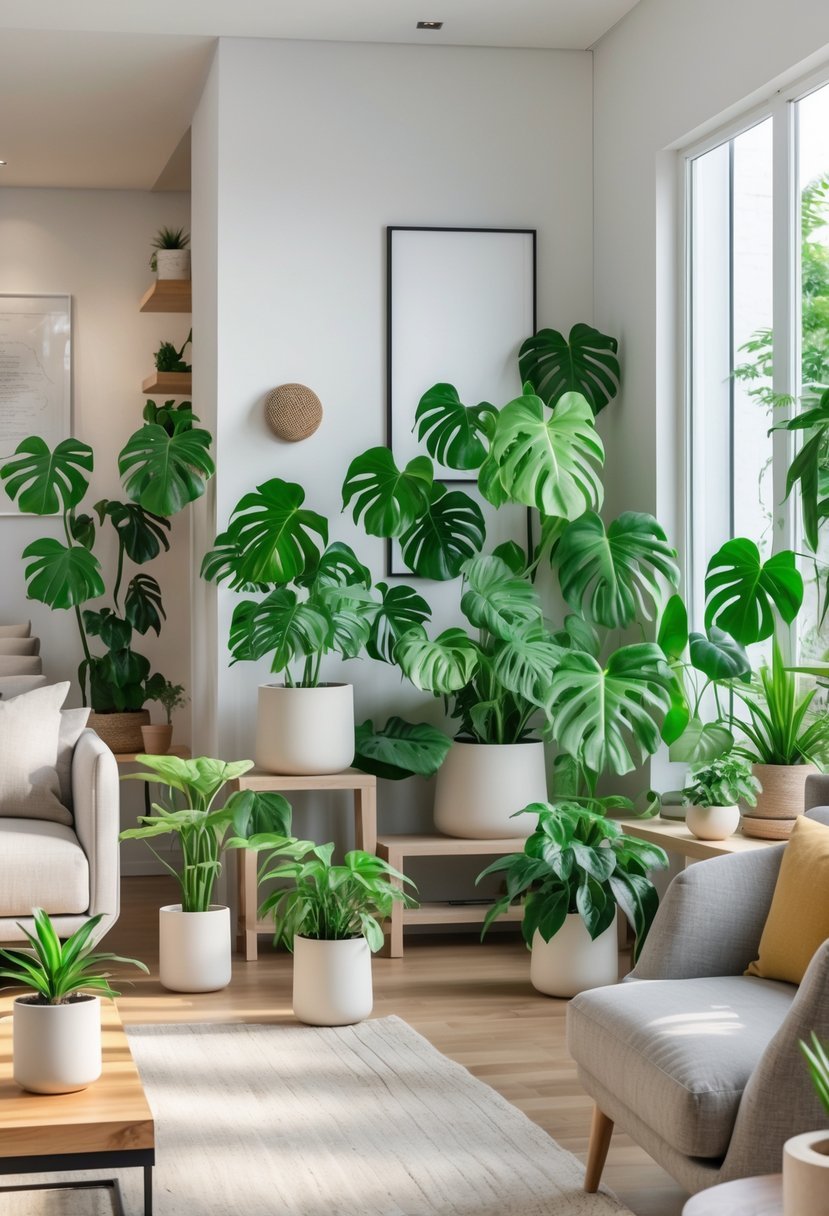
Monstera Deliciosa is a popular choice for living rooms because of its large, split leaves. Its bold look adds a tropical touch without needing much care. It thrives in bright, indirect light and only requires watering when the topsoil feels dry.
Placed in a corner or near a window, it can become a striking focal point. Its size and shape work well with modern and natural decor styles.
4) ZZ Plant
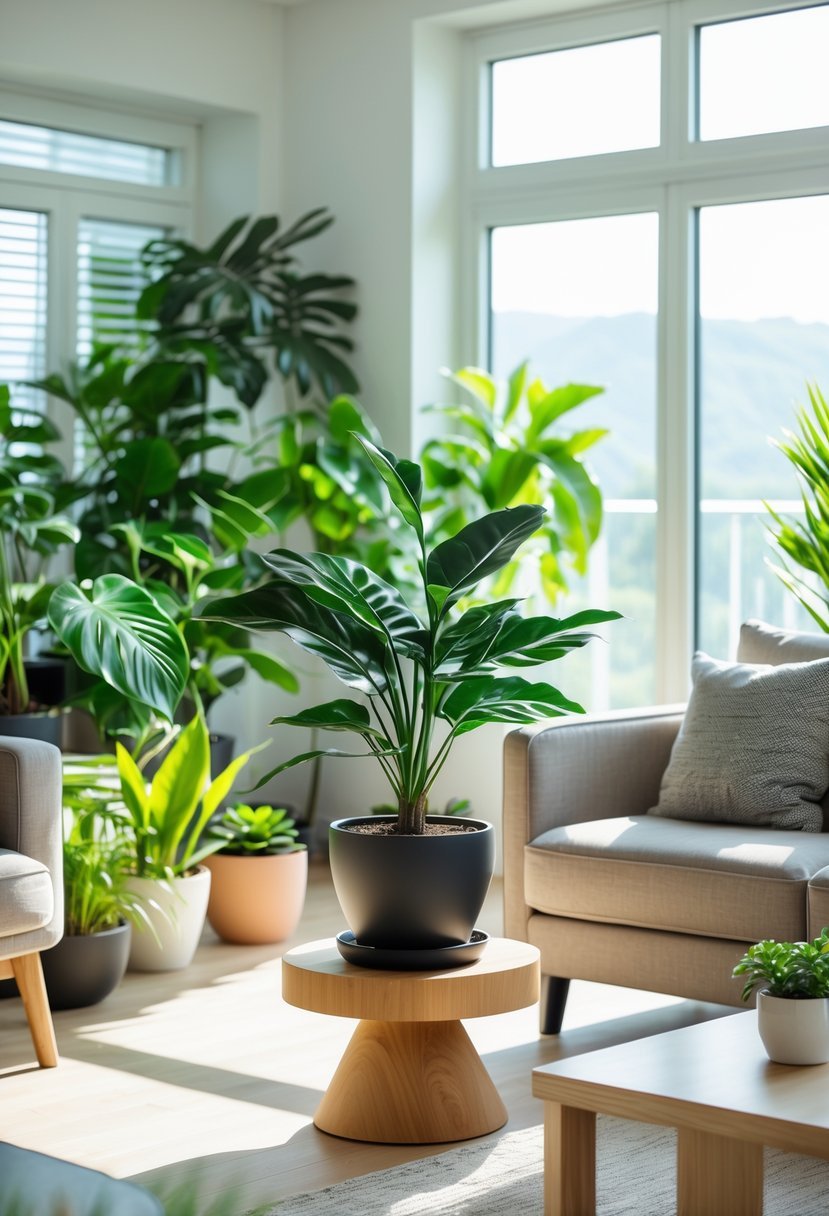
The ZZ plant is popular for its glossy, waxy leaves and upright stems. It adds a sleek, modern touch to living rooms.
It thrives in low to bright indirect light and needs little care. This makes it ideal for busy households or beginners.
The plant fits well in modern, industrial, or eclectic decor styles. Its deep green foliage creates a polished look in any space.
5) Pothos
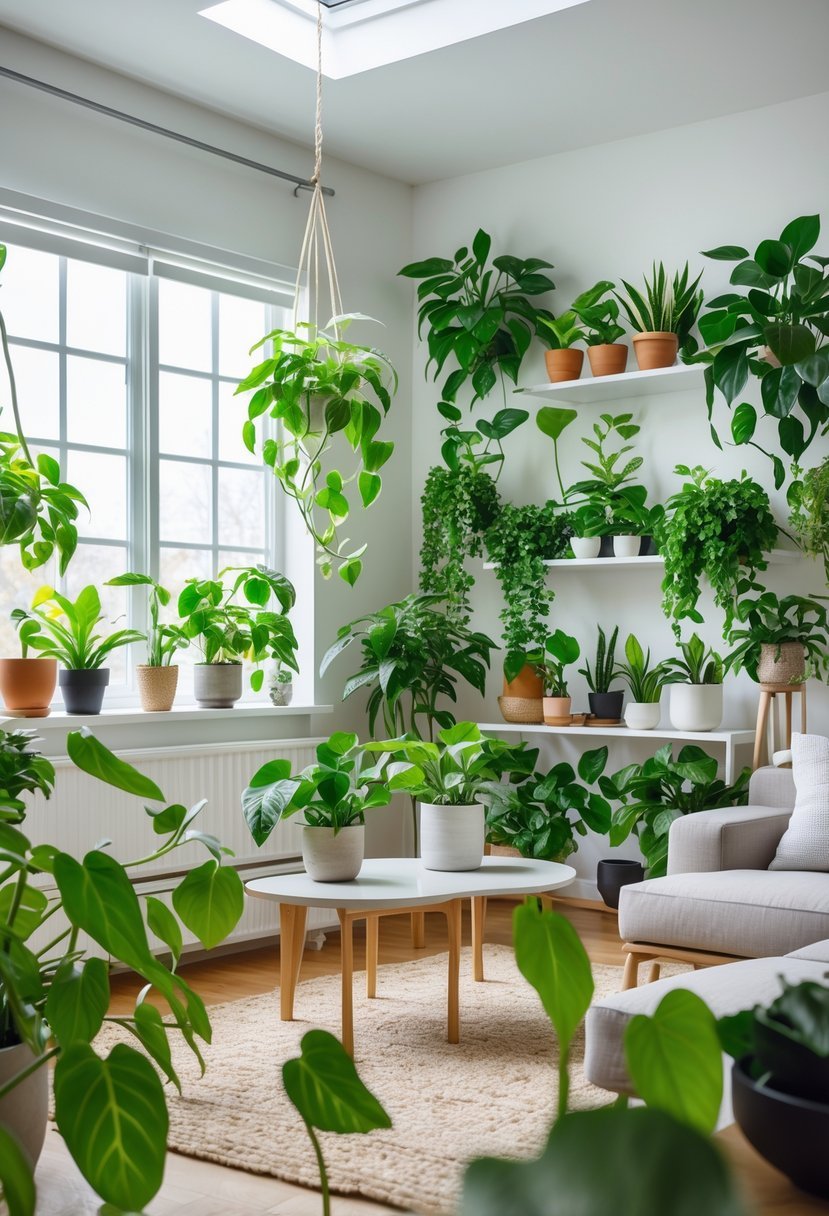
Pothos is a popular indoor plant known for its trailing vines and low care needs. It works well in hanging pots, on shelves, or climbing walls.
Its green leaves add a fresh touch to any living room. Pothos grows well in different light conditions and can bring natural texture to a space. It fits both modern and vintage room styles.
6) Peace Lily
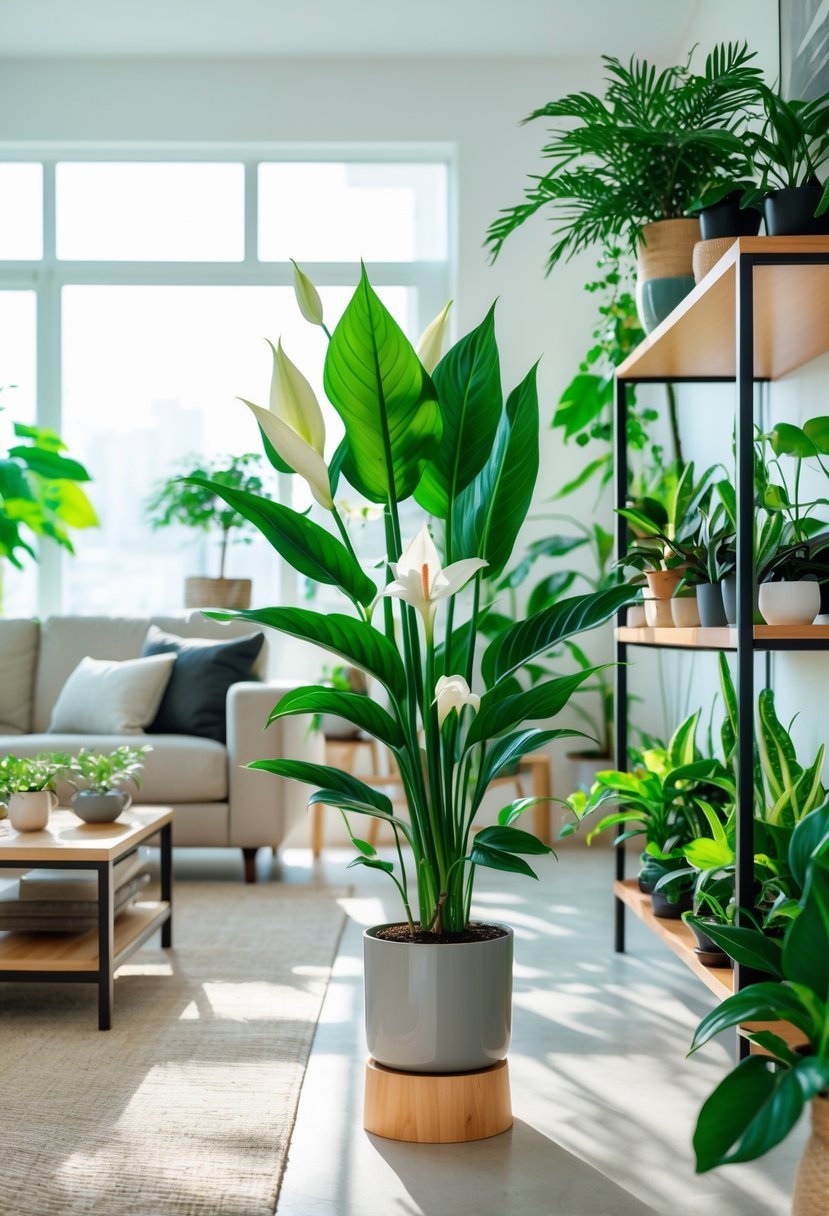
The peace lily is a popular indoor plant known for its dark green leaves and white flowers. It fits well in living rooms by adding a calm, fresh look.
This plant also helps improve indoor air quality by filtering some pollutants. It grows best in bright, indirect light and needs moderate watering.
Peace lilies are easy to care for and can thrive in many home environments, making them a practical choice for indoor decor.
7) Spider Plant
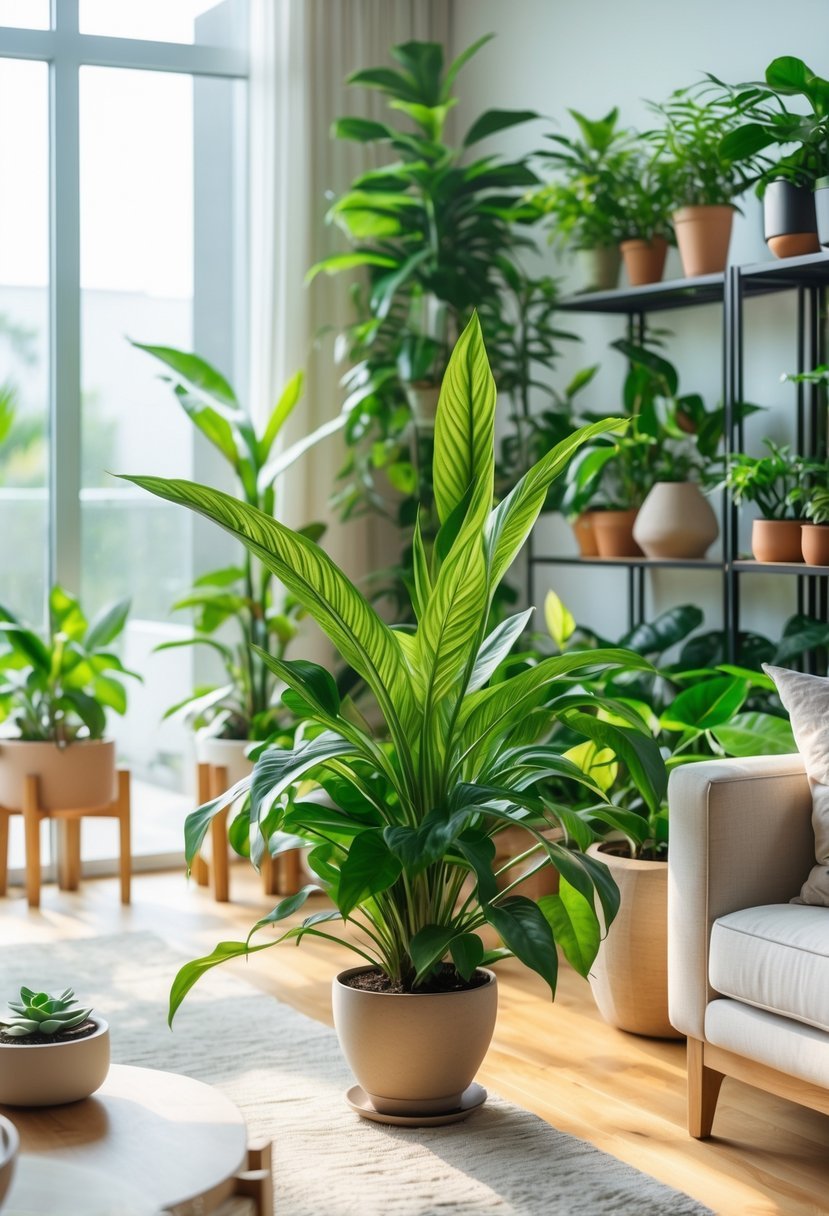
The spider plant is a popular choice for living rooms. It is easy to care for and adapts well to low light.
Its long, arching leaves create a flowing, natural look. It can be placed on shelves, tables, or hung in baskets.
Spider plants also help improve air quality. Their ability to grow new baby plants makes them a versatile and low-maintenance option for any indoor space.
8) Rubber Tree
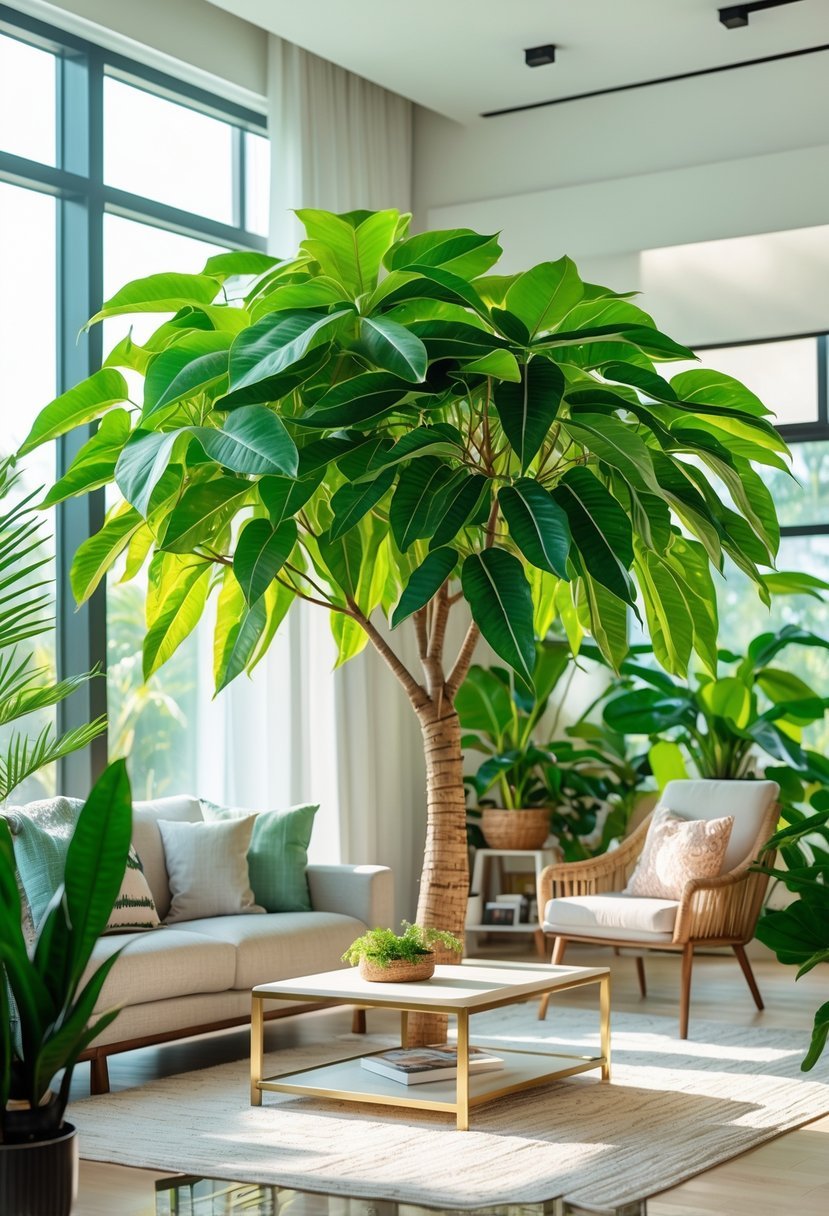
The rubber tree is a popular indoor plant known for its large, glossy leaves. It adapts well to different light conditions, making it easy to place in most rooms.
This plant adds a bold and natural look to living rooms. It can grow tall, creating a strong visual impact without needing much care.
Besides decoration, the rubber tree helps improve air quality by absorbing toxins. This makes it both an attractive and practical choice for indoor spaces.
9) Bird of Paradise
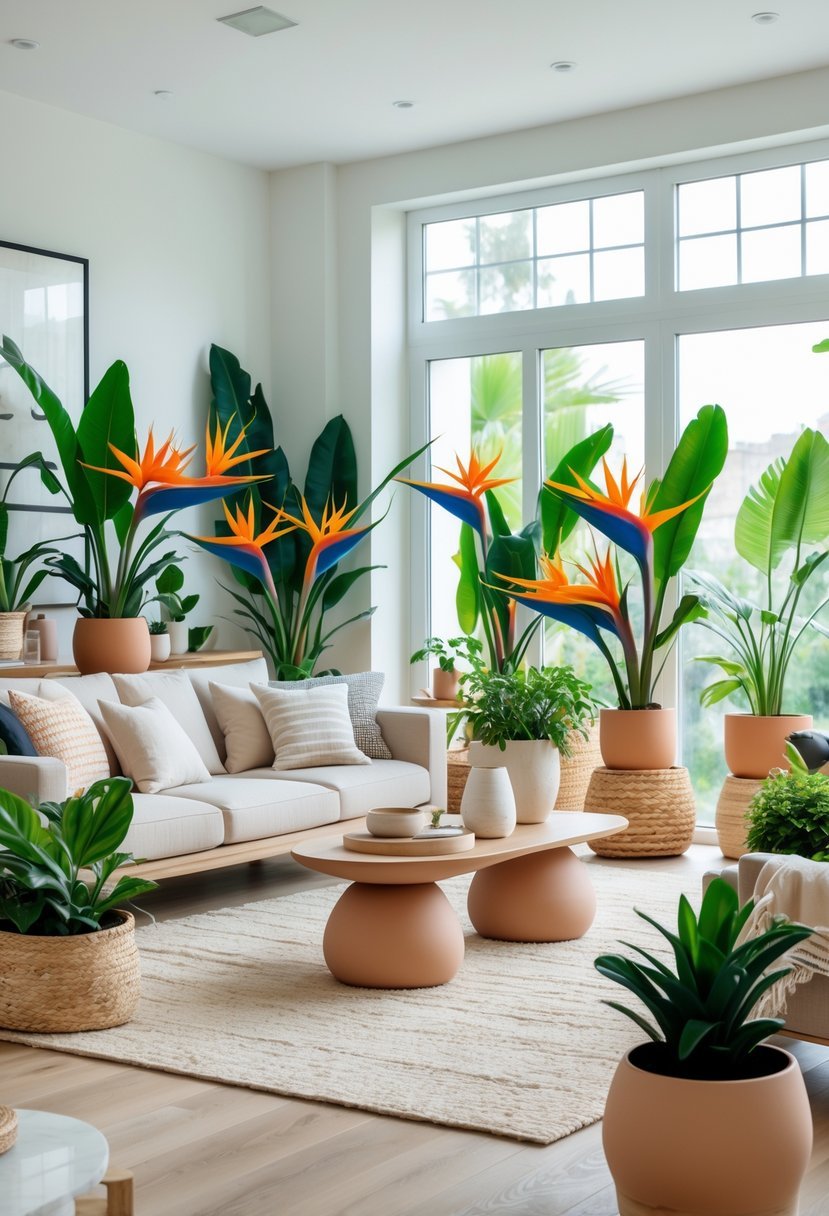
The Bird of Paradise plant adds a tropical look to the living room with its large, glossy leaves. It can grow 3 to 4 feet tall, making it a bold yet natural focal point.
This plant thrives near bright, indirect light and needs enough space to spread its leaves. Its unique shape and occasional vibrant flowers bring a fresh and lively feel to indoor spaces.
10) Philodendron
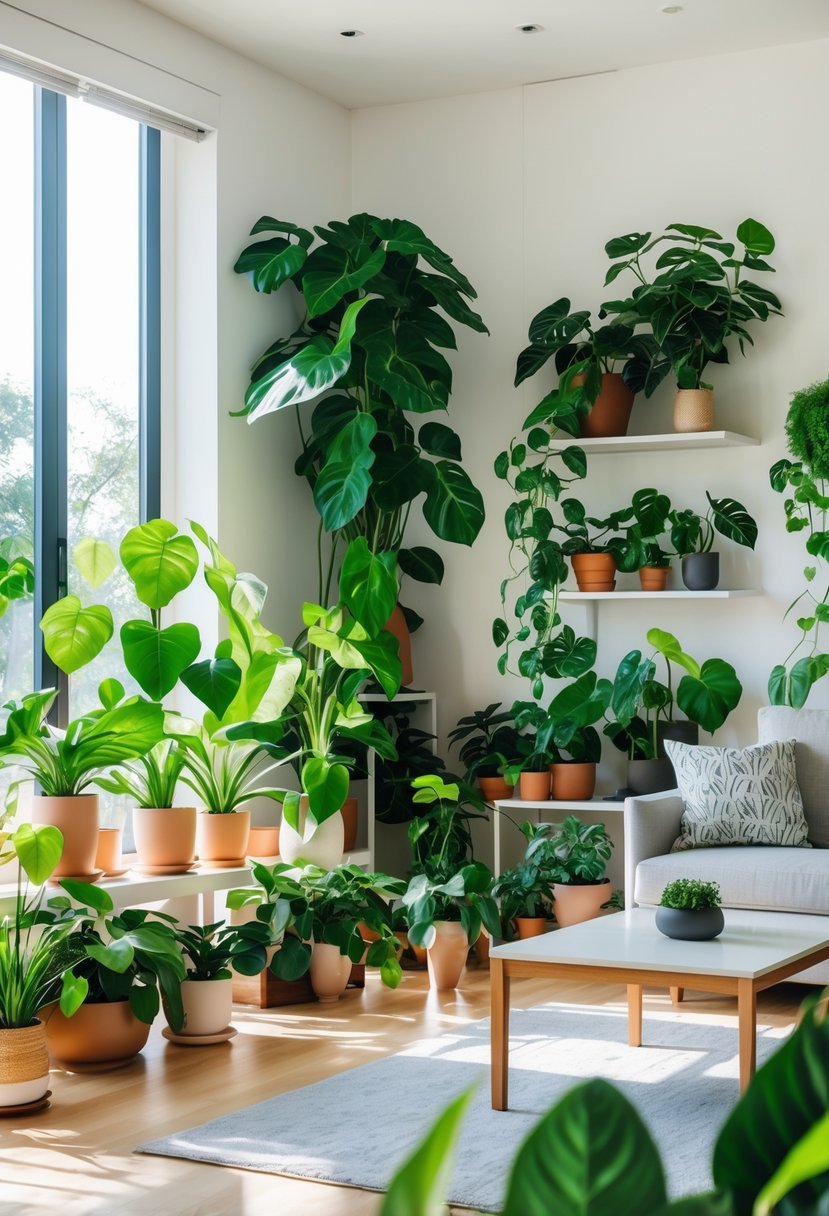
Philodendrons are popular indoor plants known for their lush, green leaves. They grow well in bright, indirect light and adapt easily to indoor spaces.
Some varieties have large leaves that add a tropical feel to living rooms. They require minimal care, making them suitable for both beginners and experienced plant owners.
Philodendrons can grow as trailing vines or upright plants, fitting various decor styles. Their ability to thrive indoors makes them a great choice for room decoration.
11) Chinese Evergreen
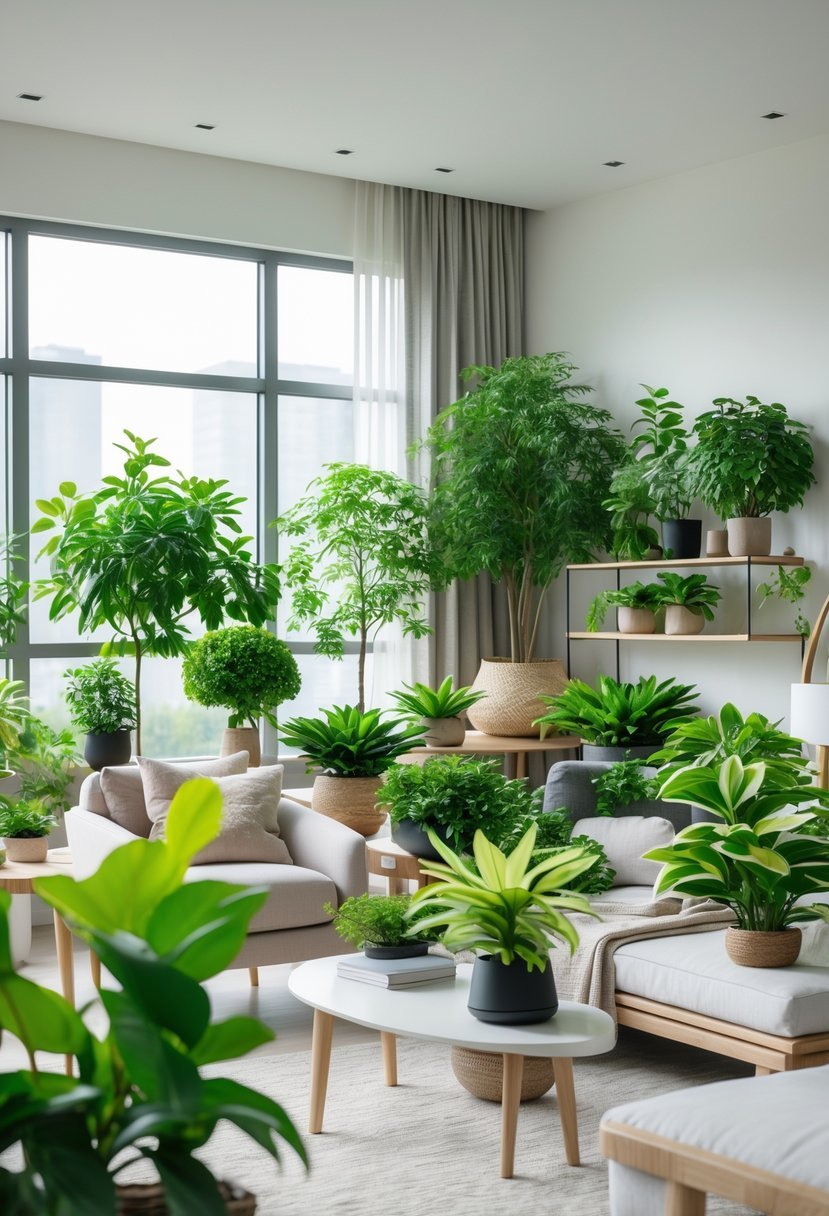
Chinese Evergreen is a popular indoor plant known for its large, glossy leaves. It comes in many color patterns, including green, silver, and cream.
This plant is easy to care for and does well in low light. It suits living rooms and offices, adding a simple yet attractive touch.
Chinese Evergreen also helps improve air quality. It is a good choice for those who want a low-maintenance and visually appealing houseplant.
12) Dracaena Marginata
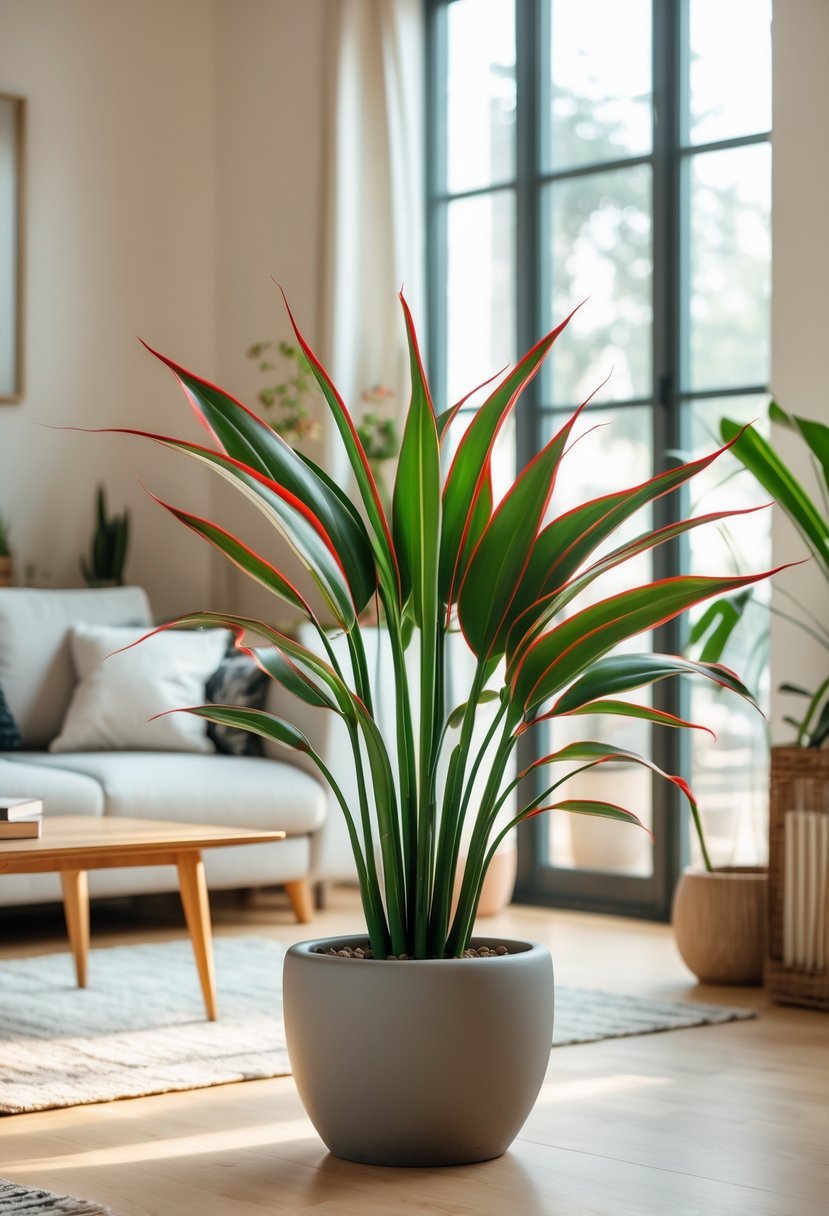
Dracaena Marginata, also known as the Madagascar Dragon Tree, is a popular indoor plant. It has slender stems with long, sword-like leaves edged in red or burgundy.
This plant adapts well to low light and does not require frequent watering. It fits well in living rooms near windows or in darker corners. Its tall, narrow shape makes it ideal for adding height without taking up much space.
13) Boston Fern
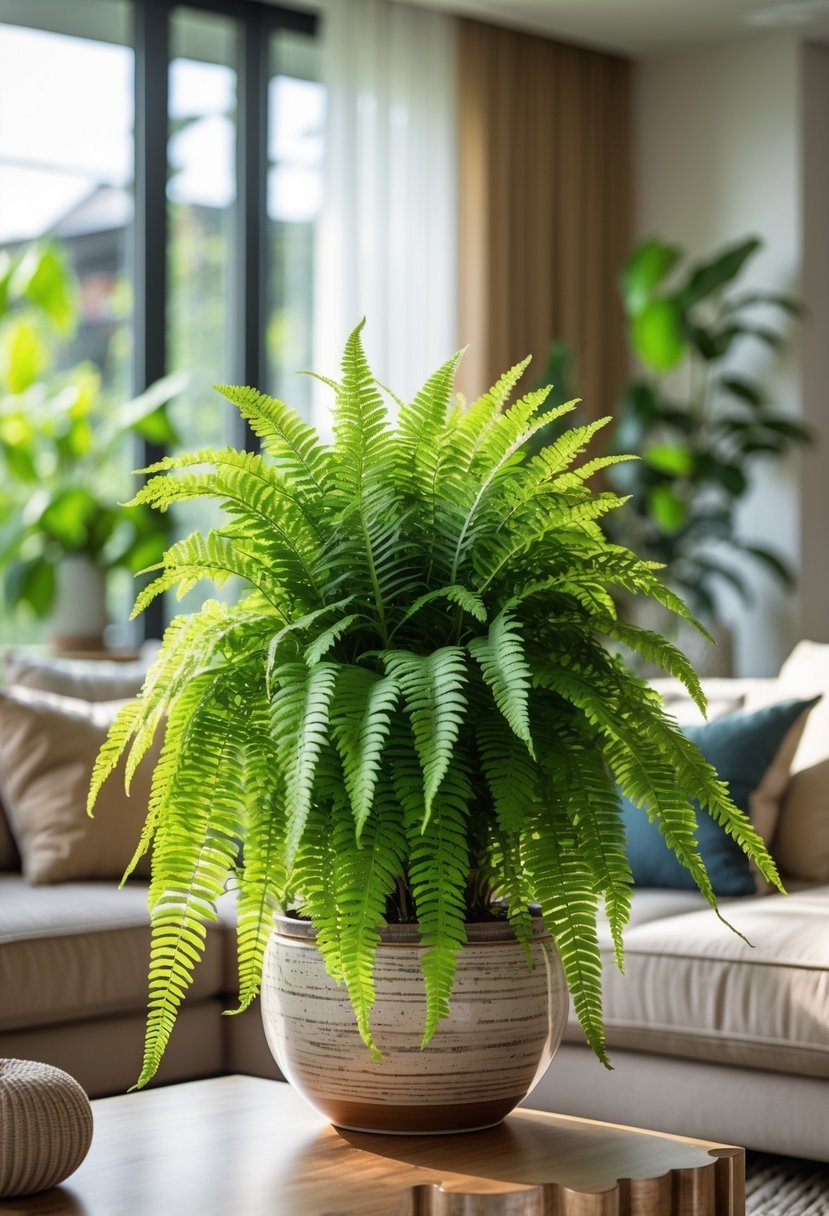
The Boston Fern is a popular indoor plant known for its arching, feathery fronds. It adds a soft, natural touch to living rooms with its bright green leaves.
This fern grows well in indirect light and needs regular watering to keep its soil moist. It can be placed on shelves, in hanging baskets, or on pedestals.
Its ability to purify air and create a calming environment makes it a practical and attractive choice for indoor decor.
14) Alocasia Polly
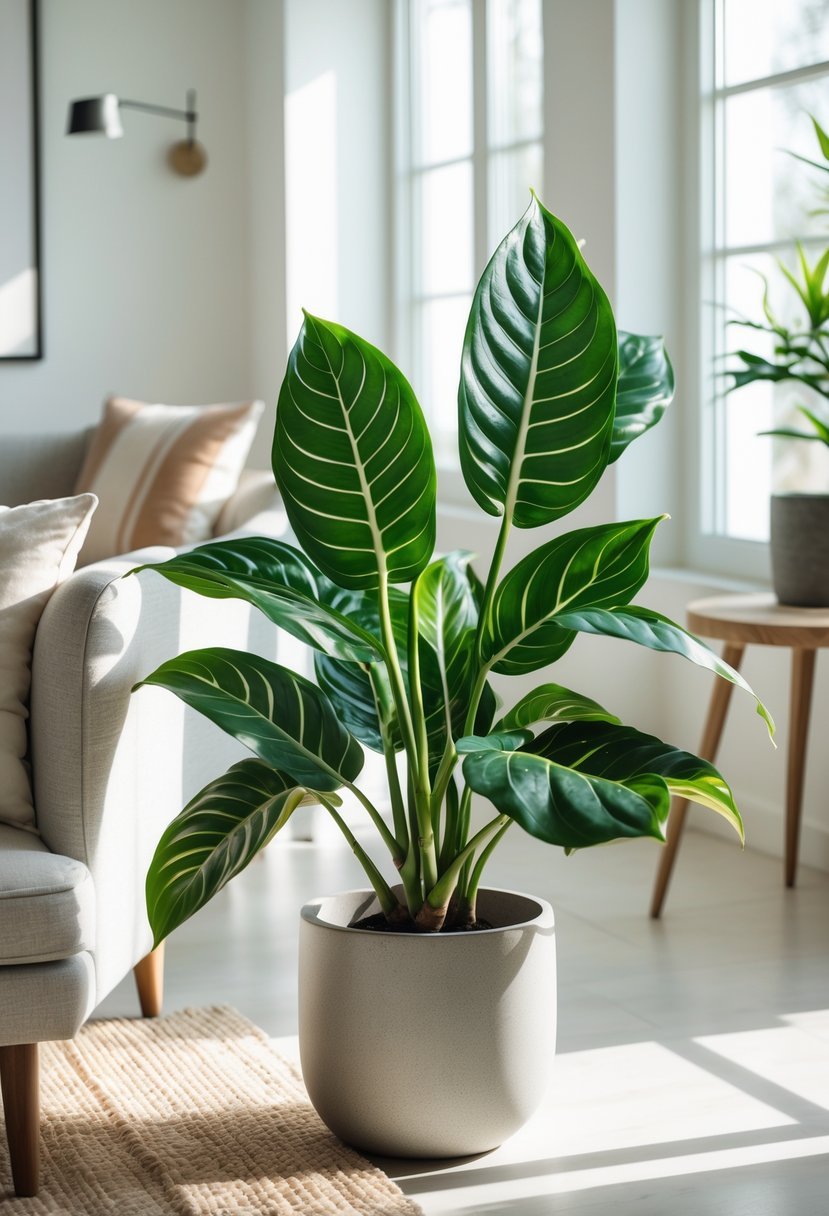
Alocasia Polly is a popular indoor plant known for its bold, arrow-shaped leaves with white veins. It adds a tropical and elegant look to living rooms.
This plant prefers bright, indirect light and consistent moisture. It may react badly to sudden changes in environment.
Alocasia Polly is toxic to pets and humans, so it should be placed out of reach. It requires careful care but rewards with striking foliage.
15) Parlor Palm
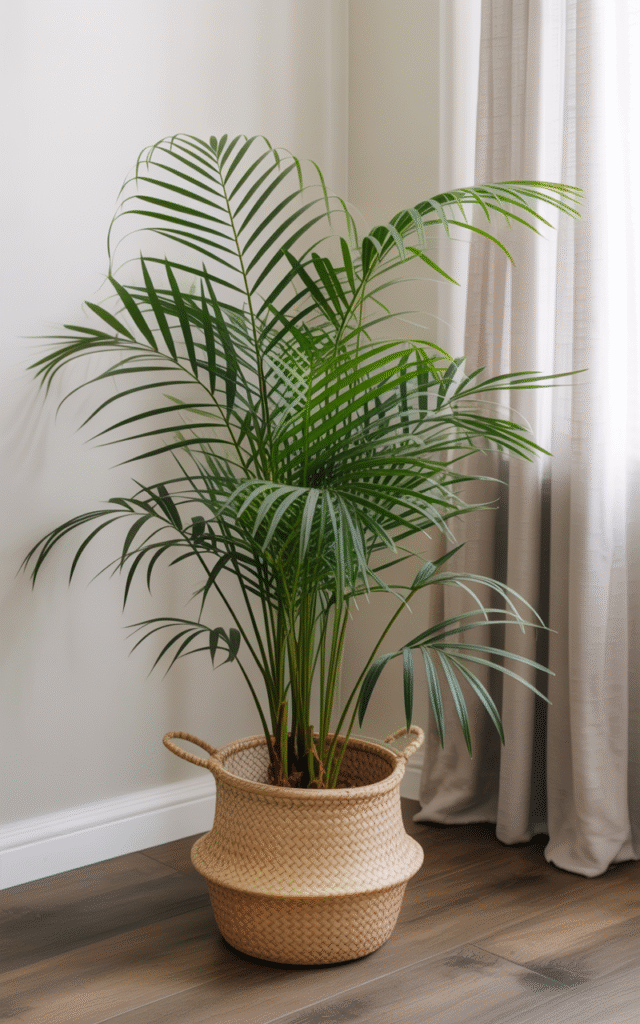
The Parlor Palm is a popular indoor plant for living rooms. It grows well in low light and needs minimal care. Its feathery fronds add a soft, tropical touch to any space.
This plant helps improve air quality and can create a calm atmosphere. It is also safe for pets and children. The Parlor Palm fits well in corners, on floors, or as a tabletop plant.
16) Calathea Orbifolia
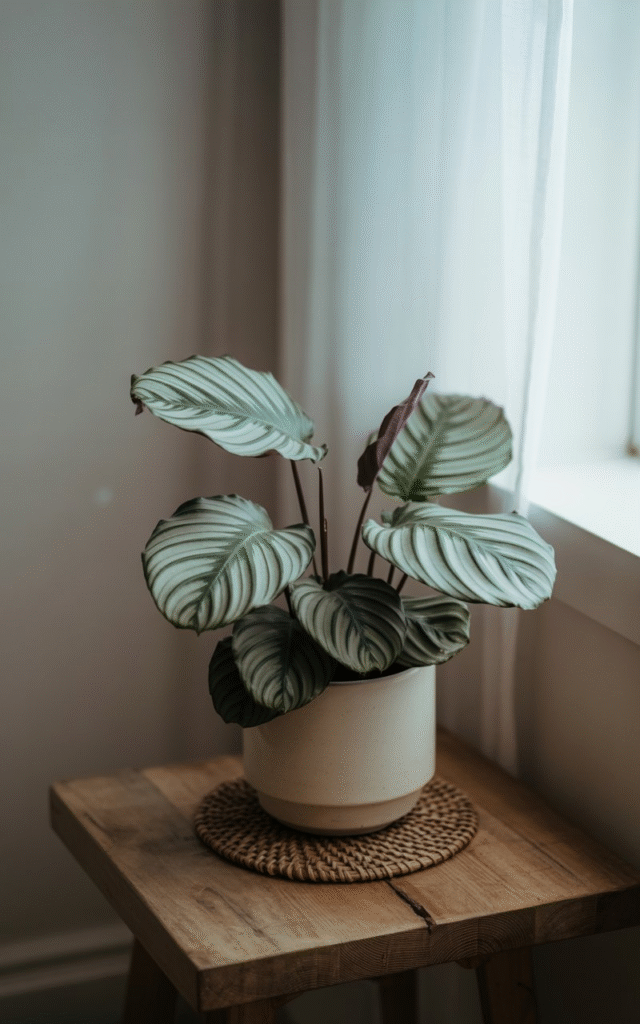
The Calathea Orbifolia is known for its large, round leaves with silver-green stripes. It adds a bold, tropical look to any living room.
This plant prefers bright, indirect light and high humidity. It thrives in temperatures between 65°F and 80°F.
Regular watering keeps the soil moist but not soggy. It also benefits from occasional misting to maintain humidity.
17) Corn Plant (Dracaena Fragrans)
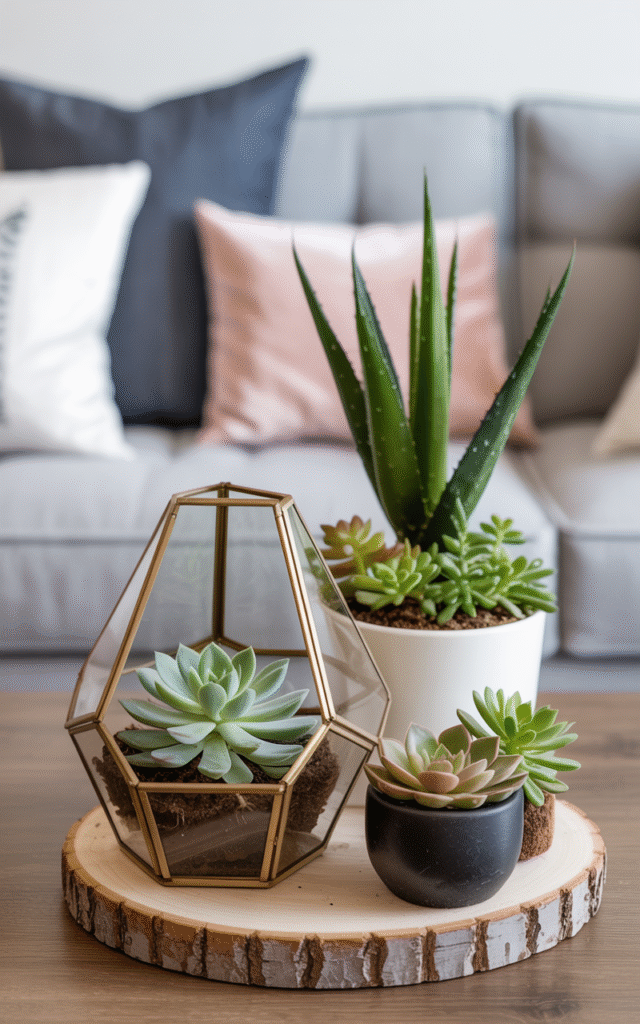
The Corn Plant, or Dracaena Fragrans, has long, arching leaves with a yellow stripe down the center. It is a popular choice for living rooms due to its tropical look and easy care.
This plant grows well in low to medium light and needs only occasional watering. It can also help improve indoor air quality.
18) Succulents Arrangement
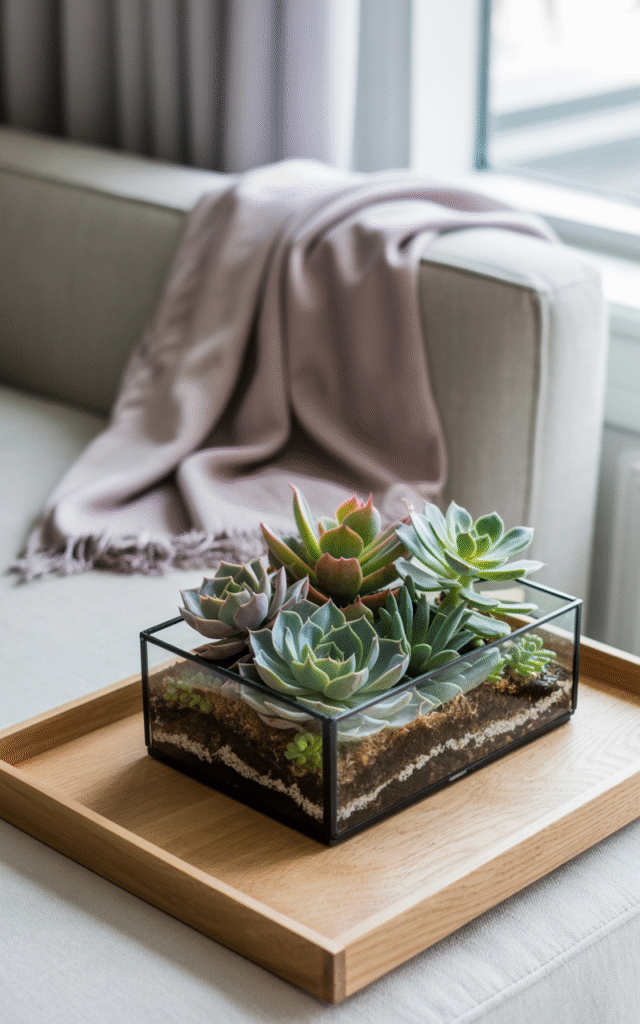
Succulent arrangements offer simple, stylish decor for living rooms. They can be placed in glass terrariums or on wooden trays for a clean look.
These plants need little water and thrive in bright, indirect light. Using different shapes and colors adds texture to the space.
Succulents work well in both small and large displays. They bring a natural touch without requiring much maintenance.
19) English Ivy
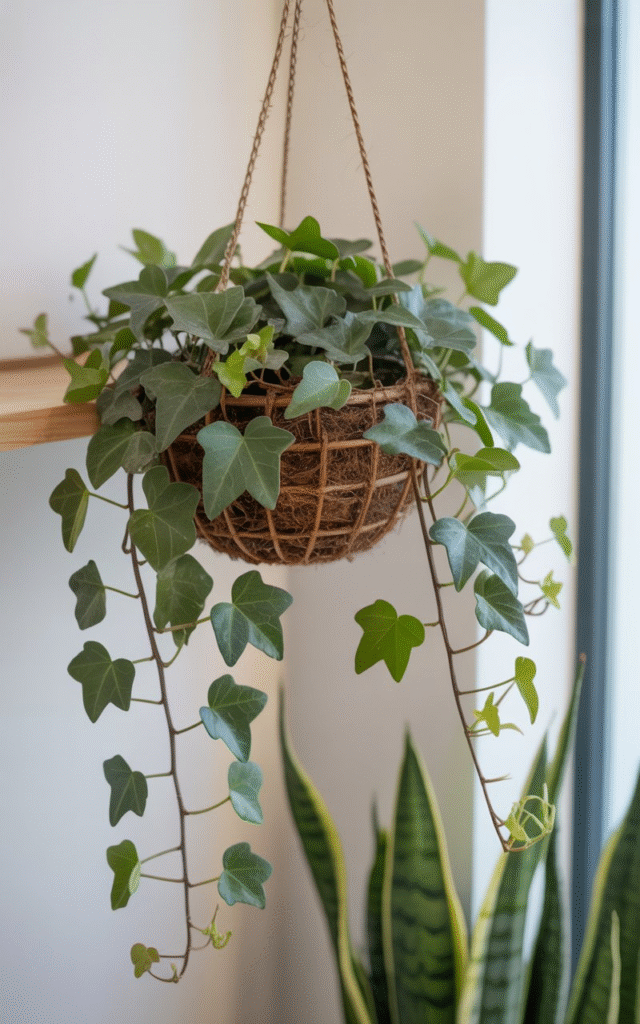
English Ivy is a classic indoor plant known for its trailing vines and green leaves. It can be placed in hanging baskets or small containers to add natural charm to a living room.
This plant prefers cooler temperatures and low to moderate light, making it suitable for many indoor spaces. It also needs occasional trimming to keep its shape neat.
English Ivy helps improve indoor air quality by reducing some toxins. It is a low-maintenance option for adding greenery and style to the home.
20) Areca Palm
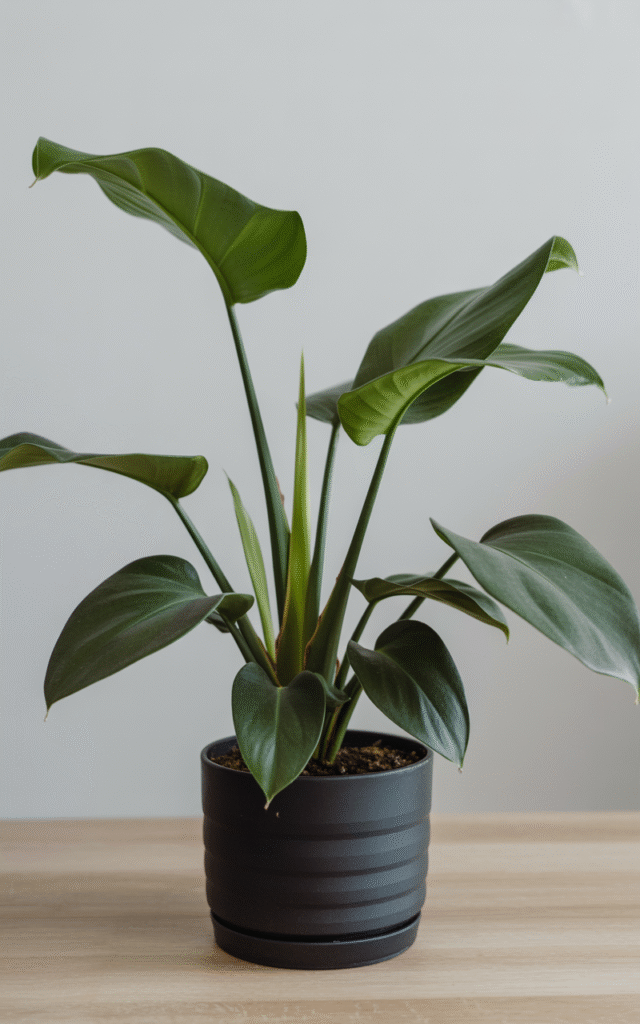
The Areca Palm is a popular indoor plant known for its feathery, elegant fronds. It fits well in many decor styles, adding a natural touch to living rooms.
It prefers bright, indirect light and needs only moderate care. This palm can help improve air quality while enhancing the space with a tropical feel.
Placed near a window or in a corner, it becomes a stylish statement without requiring much attention.
Design Principles for Styling Indoor Plants
Creating a well-styled living room with indoor plants involves attention to size, color, texture, and shape. Proper arrangement helps plants blend naturally with furniture and space, avoiding clutter or imbalance.
Balancing Scale and Proportion
The size of plants should match the size of the room and furniture. Large plants work well in spacious areas or empty corners to fill space without crowding. Small plants suit shelves, tables, or windowsills where limited room is available.
Furniture and plant containers should also complement each other in scale. A tall plant in a tiny pot can look awkward, while a short plant in a large container may seem lost. Choosing pots that fit the plant and the room’s style keeps the design balanced.
Proportion also refers to grouping plants in odd numbers, such as threes or fives, which creates a more natural and visually pleasing effect. Avoid placing too many plants of the same size or shape together to prevent a monotonous look.
Using Color and Texture
Color plays a major role in making plants stand out or blend into décor. Leaves with deep greens bring calm, while variegated or brightly colored foliage adds interest. Matching or contrasting leaf color with wall paint or furniture can create deliberate harmony or focal points.
Texture adds depth. Smooth leaves give a modern feel, while fuzzy or spiky plants add richness and variety. Mixing broad-leaf plants with thin, trailing vines also creates appealing textural contrast.
The choice of pots influences color and texture as well. Matte ceramic, woven baskets, or shiny metal each convey different moods and complement plant textures. Coordinating these elements helps create a cohesive look.
Layering Heights and Shapes
Layering plants at different heights prevents a flat or crowded appearance. Floor plants provide a solid base, while medium plants can sit on tables or stands. Hanging plants add vertical interest and free up surface space.
Mix plants with varied shapes like tall palms, bushy ferns, and cascading pothos. This blend of forms keeps the arrangement dynamic and visually engaging.
Using plant stands, shelves, or wall mounts helps organize layers and defines individual plant spaces. This method also allows better light access for each plant and improves room flow.
Care Tips for Thriving Living Room Plants
Living room plants need the right light, water, humidity, and placement to grow well. Paying attention to these factors helps keep plants healthy and vibrant.
Lighting Recommendations
Most living room plants need bright, indirect light. Direct sunlight can burn leaves, especially for plants like ferns and calatheas. Succulents and cacti do better with direct sunlight but still require some shade during the hottest part of the day.
Low-light plants like snake plants, pothos, and ZZ plants can survive in corners or areas away from windows. It is important to rotate plants every week or two so all sides get light evenly. Using sheer curtains can help filter strong sunlight to protect sensitive plants.
Optimal Watering Practices
Water needs vary by species, but overwatering is a common mistake. Most living room plants prefer the soil to dry out slightly between waterings. Check the top inch of soil; if it’s dry, the plant likely needs water.
Water deeply until it drains out the bottom, but empty excess water from trays to prevent root rot. Some plants, like peace lilies and ferns, prefer consistently moist soil. Using room temperature water can reduce shock. Adjust watering frequency based on the season and humidity.
Humidity and Placement Considerations
Many indoor plants thrive in humidity levels between 40% and 60%. Dry air, especially from heating or air conditioning, can cause leaf edges to brown or curl. Grouping plants together raises humidity naturally.
Placing plants away from vents, drafts, or heaters protects them from temperature swings. Bathrooms or kitchens can provide higher humidity zones for tropical plants like monsteras or orchids. Using a pebble tray with water or a humidifier helps maintain moisture in the air.