Mural wall art has become a popular way to transform any space with bold and unique designs. These large-scale artworks can add vibrancy, personality, and a sense of expanded space to rooms without natural views. 10 mural wall art pieces showcase a variety of styles and themes that appeal to different tastes and décor needs.
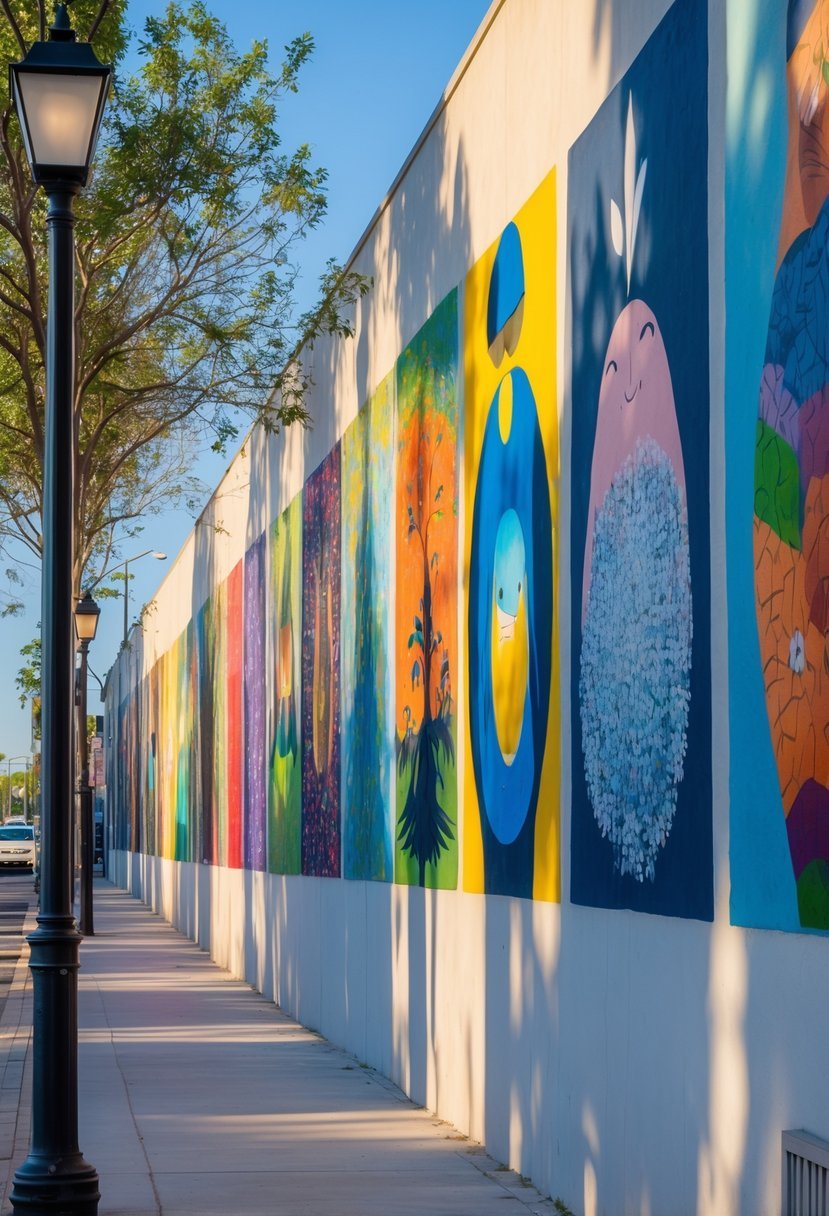
Whether hand-painted or printed, murals offer a creative solution to make walls the focal point of a room. From classic fine art reproductions to modern abstract patterns, they provide an affordable and impactful way to personalize interiors. People often choose murals for living rooms, bedrooms, and offices to bring color and life to bare walls.
Large murals are also easy to install and maintain, making them accessible for those who want to refresh their space without a full renovation. By exploring popular mural options and ideas, readers can find inspiration to brighten their homes with striking wall art.
Key Takeaways
- Murals add bold style and personality to any room.
- They come in many styles, from classic to modern designs.
- Installing murals is a simple way to upgrade wall décor.
What Is 10 Mural Wall Art?
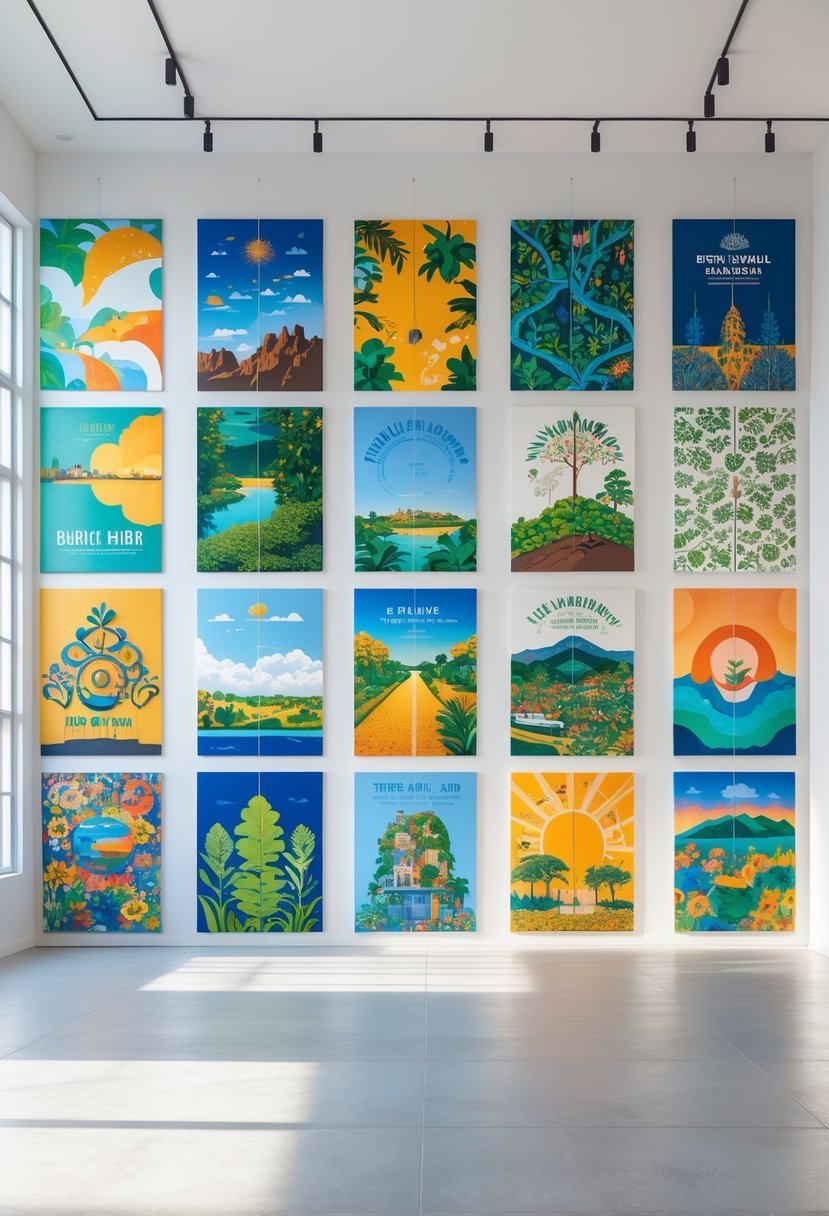
10 mural wall art refers to a collection of ten distinctive large-scale artworks painted or applied directly onto walls. These murals often transform public or private spaces with bold designs, diverse styles, and meaningful themes.
They can vary widely, from realistic portraits to abstract patterns, and include different methods and materials. These artworks are not only decorative but also carry cultural, social, or historical significance.
Defining Wall Murals
Wall murals are art pieces created on flat surfaces like building walls, interior walls, or ceilings. They are often large in size and meant to be seen by many people.
Murals are made by painting, drawing, collage, or print techniques applied directly on the wall’s surface. These artworks can be temporary or permanent depending on materials used.
Unlike framed paintings, murals integrate the surface’s shape and texture into the design. This connection between art and architecture makes murals unique in the art world.
Unique Features of 10 Mural Wall Art
The “10 mural wall art” collection includes works that are well-known for their scale, creativity, and impact on viewers. These murals often use vibrant colors and detailed images.
Many murals also tell a story, reflect local culture, or highlight social issues. The combination of visual appeal and meaningful messages sets these ten murals apart.
In addition, some murals employ unique techniques like optical illusions, mixed media, or 3D effects to engage the audience. These features draw attention and invite interaction.
Types of Wall Murals
Wall murals can be divided into several types based on their style and execution:
- Painted murals: Created using brushes or spray paint directly on the wall.
- Wallpaper murals: Printed designs applied like wallpaper, allowing detailed imagery easily.
- Mixed media murals: Combining paint with collage, stencil, or other materials.
- Street art murals: Often graffiti-inspired, with bold colors and urban themes.
Each type offers different creative possibilities and can suit various mural wall art ideas for homes, offices, or public spaces.
Popular Styles and Designs
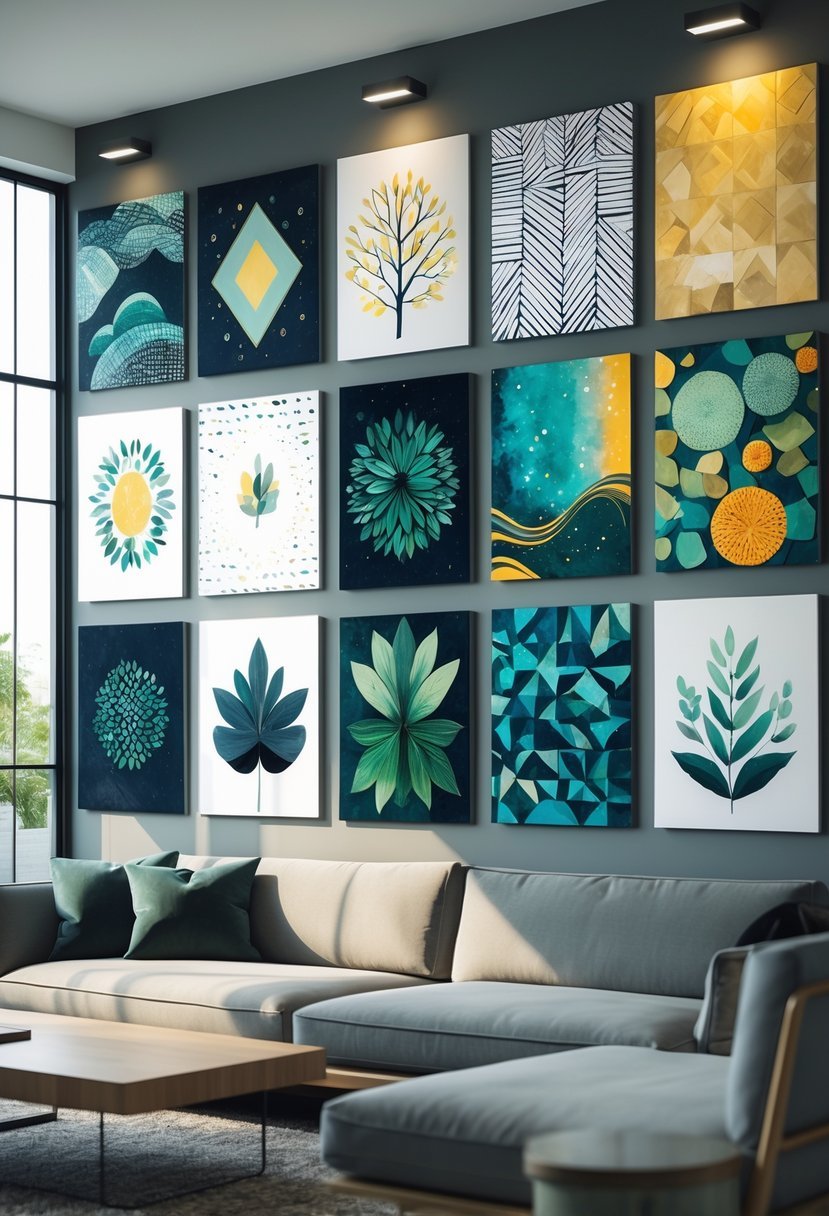
Wall murals can change a room’s mood and style. Different designs offer unique effects, whether that’s sleek and modern, classic and elegant, or themed for personal meaning. Choosing a style depends on the space, taste, and the atmosphere one wants to create.
Modern Wall Murals Explained
Modern wall murals focus on clean lines, bold colors, and abstract shapes. They often use geometric patterns or large blocks of color to create a striking look.
Materials used can include vinyl, wallpaper, or hand-painted elements. Many modern murals are designed to be minimalist but eye-catching, making a room feel spacious and fresh.
These murals work well in living rooms, offices, and kitchens. Technology has also helped create digital murals that fit perfectly on any wall size.
Classic and Timeless Designs
Classic murals often feature nature scenes, landscapes, or historical themes. These are meant to add elegance and calm to a room.
Traditional murals may include painted florals, countryside views, or famous artworks reproduced on walls. They use muted or soft color palettes to create a warm, inviting space.
Such designs are popular in dining rooms, libraries, or bedrooms. They last through changing trends because they focus on beauty and balance rather than bold impact.
Thematic Mural Inspiration
Thematic murals reflect specific ideas or stories, like oceans, cities, or fantasy worlds. These designs make a strong statement by showing clear subjects.
They can be realistic or stylized and often match a homeowner’s interests. Themes like forest landscapes or urban skylines add personality and tell a story visually.
Thematic murals suit playrooms, feature walls, or creative spaces. They let people express themselves while transforming plain walls into conversations starters.
| Style | Key Features | Best For |
|---|---|---|
| Modern Wall Murals | Bold, geometric, minimal | Living rooms, offices |
| Classic & Timeless | Nature, historical, soft | Dining rooms, bedrooms |
| Thematic Inspiration | Storytelling, visual themes | Playrooms, feature walls |
DIY and Hand-Painted Murals
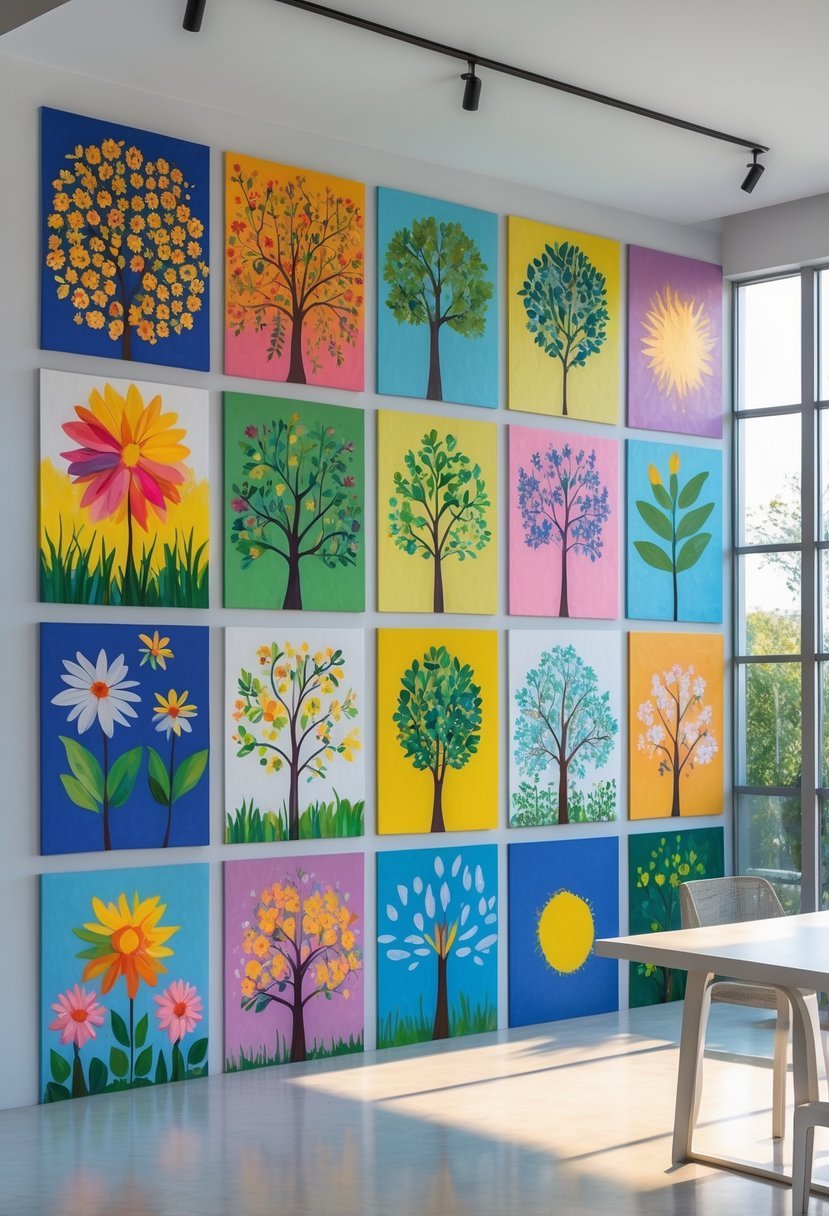
Creating a mural can refresh a space with unique art tailored to personal style. Careful planning, the right tools, and techniques help bring the vision to life. Both DIY and hand-painted murals require focus on design, materials, and execution to achieve a polished look.
DIY Mural Painting Basics
Starting a DIY mural begins with choosing a clear theme or design. It’s important to sketch the idea on paper first. Then, lightly draw the image on the wall using pencils or chalk.
Using a projector can help scale complex designs accurately. This step reduces mistakes and speeds up the process.
Most DIY mural painters work in layers. They start with broad background colors, then add details in smaller brushes after the base dries. Patience is key between layers to avoid smudging.
Tips for Hand Painted Murals
Hand-painted murals need steady hands and some patience. Practicing with small brush strokes helps build confidence.
Breaking the design into sections makes it less overwhelming. Painters can focus on one part at a time, checking for proportions and shapes.
Using painter’s tape protects edges and keeps lines clean. It also marks areas to avoid. Light cleaning of the wall before starting improves paint adhesion.
Consistent lighting during painting helps see true colors and details better.
Choosing the Right Materials
Selecting quality materials affects the mural’s durability and appearance. Flat latex wall paint is preferred for larger areas because it covers smoothly.
For details, acrylic paints are a good option due to quick drying times. Brushes come in various sizes; larger flat brushes help fill big spaces, while smaller round brushes work for fine lines.
A palette for mixing colors helps achieve the right shades. It’s important to use painter’s tape, drop cloths, and primer to prepare the wall properly. Primer ensures the paint sticks well and lasts longer.
Having water and rags nearby helps clean brushes and fix mistakes quickly.
Using Large Wall Art Decor
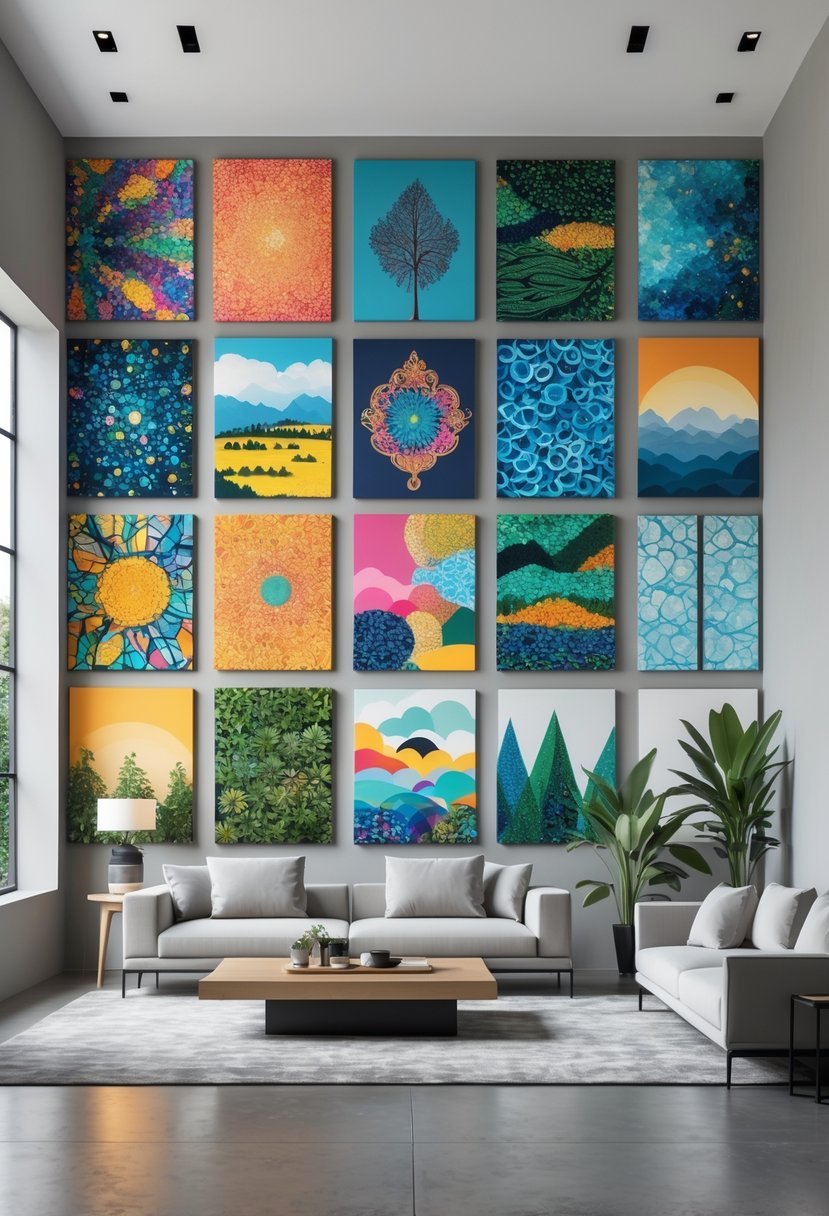
Large wall art can define a room and bring focus to empty spaces. Choosing the right spot and matching the size with the room’s features are key to making the decor work well. Proper planning ensures the piece enhances the space instead of overwhelming it.
Placement Strategies
Choosing the right wall is important for large art. It works best on wide, open walls without many interruptions like windows or doors. Bedrooms, living rooms, and hallways with blank walls often provide good spaces.
The artwork should be hung at eye level, typically about 57 to 60 inches from the floor to the center of the piece. If above furniture like a sofa or console table, leave 6 to 12 inches between the top of the furniture and the art for balance.
Lighting is another factor. Placing large wall art near a natural light source or adding focused artificial lights can highlight the details and textures. Avoid spots with direct sunlight to prevent fading.
Scale and Proportion Considerations
Large wall art must be proportionate to the room and furniture around it. A piece that is too big can make a space feel crowded. Too small, and it will look lost on the wall.
Measure the wall and furniture first. The art should cover about 60-75% of the wall space above a piece of furniture to create a cohesive look.
If the room has high ceilings, consider tall or vertical artworks to complement the height. In smaller spaces, horizontal pieces can open up the room visually.
Keep the room’s style in mind. Minimalist spaces benefit from simple, bold pieces. Busy rooms can handle art with fewer colors to avoid clashing.
| Tip | Explanation |
|---|---|
| Measure Before Buying | Ensures art fits space without overcrowding. |
| Match Art to Furniture | Keeps visual balance in the room. |
| Consider Ceiling Height | Helps choose vertical or horizontal layouts. |
| Use Appropriate Lighting | Enhances the art and room atmosphere. |
Incorporating 10 Mural Wall Art in Home Decor
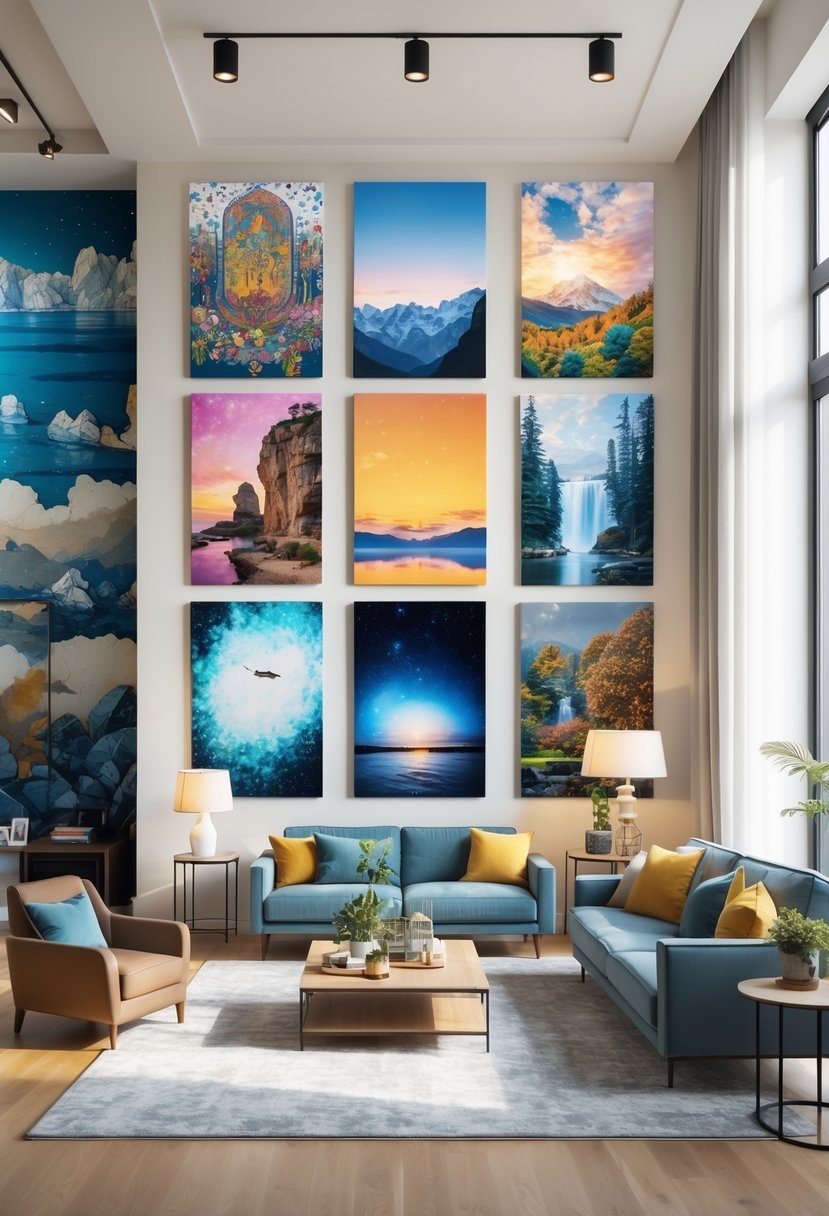
Using mural wall art can change the look of a home by adding style and personality. It is important to think about where to place murals, how to highlight them, and how to match colors with the room to make sure the murals enhance the space without clashing.
Room-by-Room Ideas
Different rooms require different types of mural art. In the living room, murals with nature scenes or abstract designs can create a calm or creative vibe. For bedrooms, soft colors and peaceful themes help with relaxation. Kids’ rooms benefit from fun, bright murals that add energy and playfulness.
Kitchens and dining areas can use murals featuring food, cityscapes, or simple patterns to bring warmth and interest. Bathrooms often work well with ocean or flower murals to add freshness. It is best to pick mural wall art that matches the room’s size and lighting for the best effect.
Creating Focal Points
Choosing the right wall for the mural is key. A mural on one wall can become a focal point if it is large or brightly colored. This wall should have little else to distract from the art. For example, a mural behind a sofa or bed draws the eye immediately.
Position murals where people naturally look when entering a room. Avoid placing murals too close to clutter or busy decor. Lighting changes the way murals look, so using spotlights or natural light to highlight them can make the design stand out more.
Color Coordination Tips
Colors in the mural should complement the room’s palette. Use colors from the mural in pillows, rugs, or curtains to create harmony. If the mural has bold colors, the rest of the room should use softer or neutral tones to avoid clashing.
Consider the mood the color scheme creates. Warm colors like red and orange add energy, while cool colors like blue and green promote calmness. Matching mural colors with wood tones or furniture also helps tie the design together.
Care, Maintenance, and Longevity
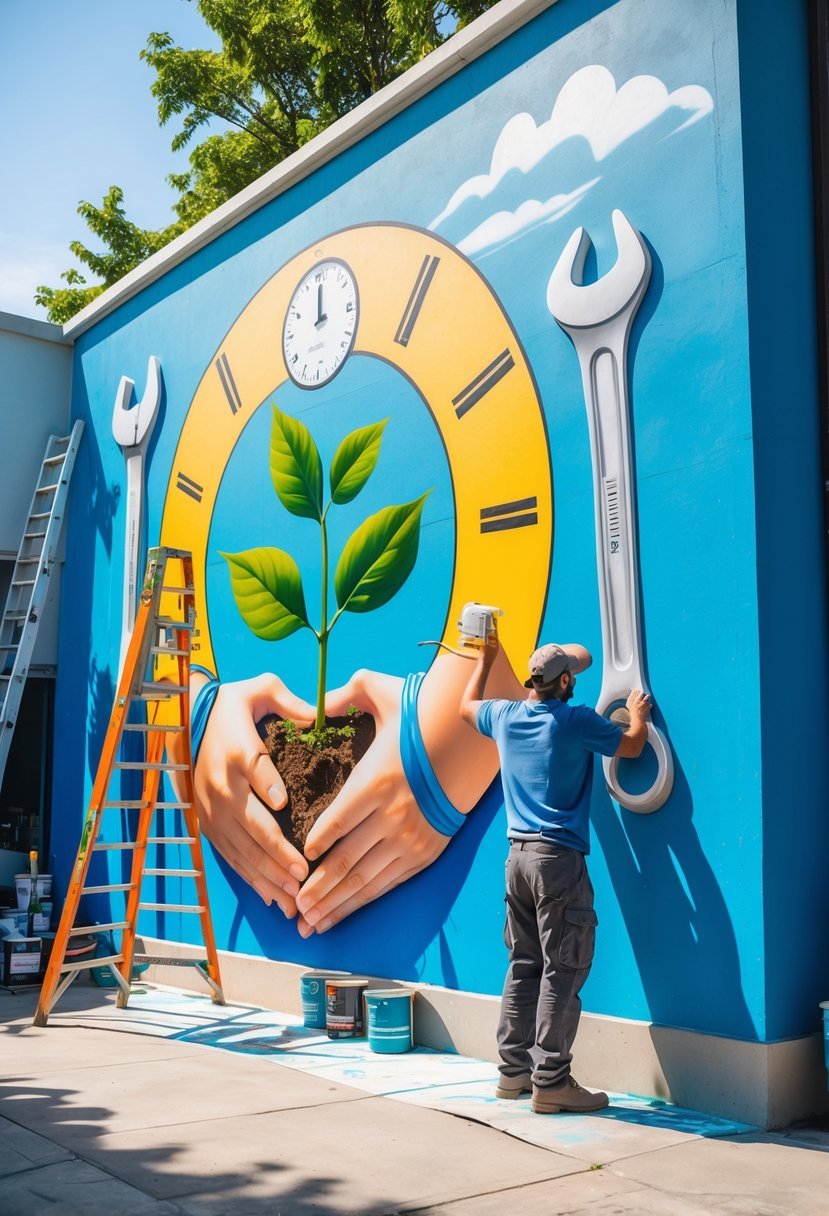
Proper care helps murals stay vibrant and intact over time. Regular cleaning, protection from sunlight, and timely repairs play key roles in keeping mural art fresh and beautiful.
Cleaning and Preservation
Cleaning murals regularly prevents dirt and dust buildup, which can dull their appearance. Use a soft, dry cloth or a gentle brush to remove surface dirt. Avoid water or harsh chemicals unless advised by a professional, as these can damage paint.
For indoor murals, keeping the area ventilated reduces moisture buildup, which preserves the paint. Outdoor murals need more frequent cleaning due to exposure to dirt and pollution.
Applying a clear protective coating, like a varnish, every 2-3 years for indoor murals helps guard against stains and wear. Outdoor murals benefit from protective coatings designed to resist weather damage and UV rays.
Protecting Against Fading
Sunlight fades mural colors over time, especially outdoors. UV-protective sealants are essential for preserving color. These should be reapplied yearly for outdoor murals.
Placing murals away from direct sunlight or using window films can reduce fading indoors. Choosing high-quality, UV-resistant paints during painting also helps longevity.
Controlling environmental factors like moisture and temperature swings supports the mural’s color retention. Avoid harsh cleaning agents that can strip protective layers and increase fading risk.
Repairing Damages
Small chips, cracks, or fading areas should be fixed promptly to prevent bigger damage. Touch-up paint matching the original color works best for minor repairs.
For outdoor murals, inspecting the wall regularly catches any damage early. Repair cracks in the building surface before repainting to avoid peeling paint.
Professional restoration may be necessary for larger damages. It involves cleaning, repainting, and applying new protective coatings to maintain the mural’s look and durability.
Where to Buy or Commission Mural Wall Art
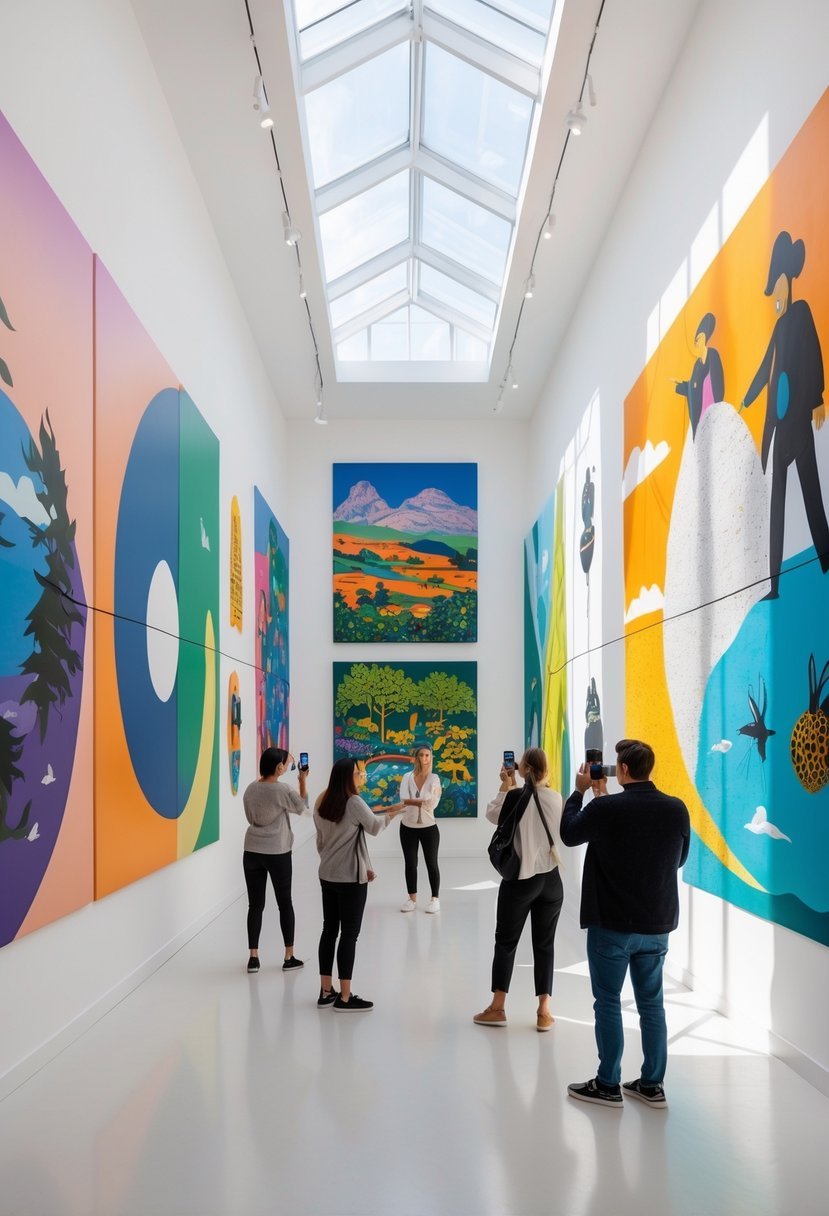
Finding the right source for mural wall art depends on quality, style, and budget. Some buyers want custom pieces, while others look for ready-made murals in various designs and sizes. Knowing how to select an artist or vendor and understanding pricing helps make a confident decision.
Choosing an Artist or Vendor
When selecting an artist or vendor, consider experience and portfolio. Look for companies or individuals with clear proof of past work, especially on murals similar in style and size to what is needed.
Buyers can choose from custom painted murals or printed wallpaper murals. Printed murals come from vendors offering thousands of designs and materials. Some specialize in peel-and-stick murals for easy installation.
Check if the seller offers free shipping or warranties. Customer service and return policies matter, especially for custom orders. Local artists allow direct collaboration, while online vendors provide wide options and convenience.
Pricing and Budget Considerations
Prices vary widely based on size, complexity, and material. Custom painted murals often cost more due to labor, ranging from hundreds to thousands of dollars.
Printed murals usually cost less and can be sized to fit any wall, with prices often starting around $40. Free shipping can reduce overall costs.
It helps to compare quotes from several sources. Some vendors offer packages that include installation or touch-ups. For custom commissions, clarifying all fees upfront avoids surprises. Budgeting for wall preparation and sealants is also important.
Conclusion
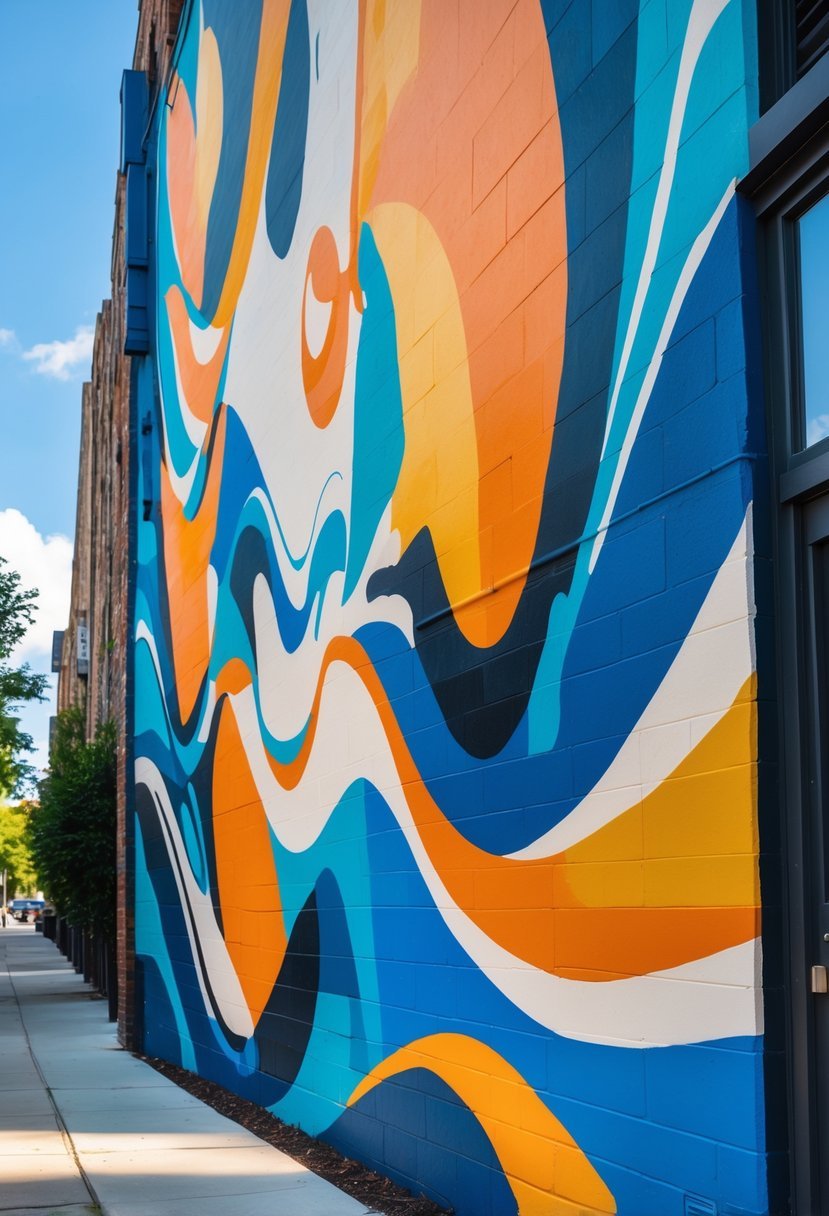
Mural wall art offers a unique way to add personality and style to any space. It can completely change the mood of a room, making it feel more vibrant or calming depending on the design.
Choosing the right mural depends on the atmosphere one wants to create. Bold, colorful murals make strong statements, while subtle, textured designs provide elegance without overwhelming the space.
Modern murals are not just painted surfaces. They often combine physical, digital, and environmental elements to create deeper, interactive experiences.
When selecting or creating a mural, considering the room’s function and the existing decor helps the artwork blend well with the overall design.
Key points to consider:
| Benefit | Description |
|---|---|
| Personal Expression | Reflects individual taste |
| Space Transformation | Changes the feel of a room |
| Versatility | Fits many rooms and styles |
A well-chosen mural adds value and interest to a home. It shows creativity and enhances the living environment in practical, beautiful ways.